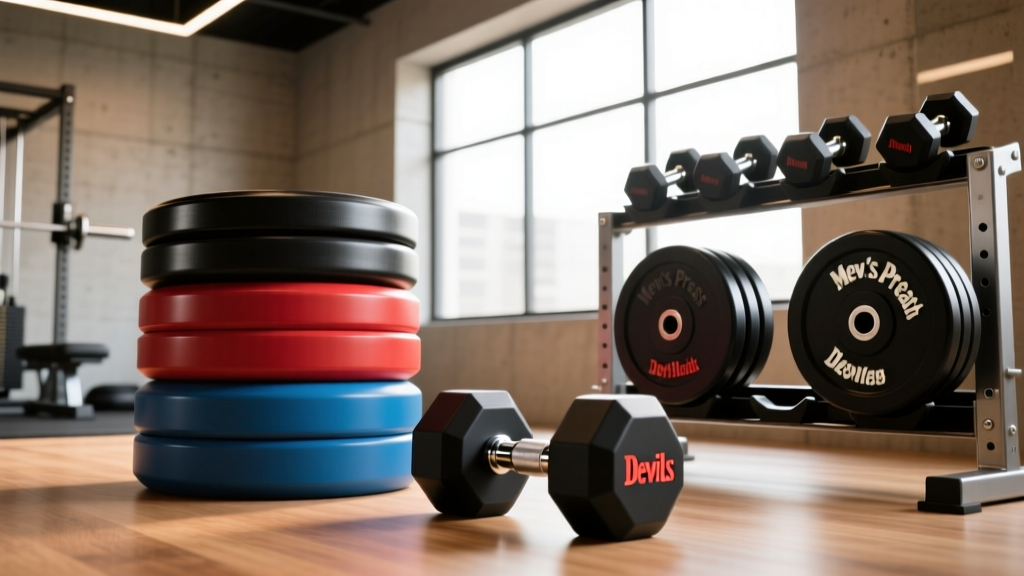
Bumper vs Iron Plates: 2026 Trends & Devils Press Dumbbell Boom
Explore the 2026 fitness equipment market: a deep-dive ROI analysis on bumper vs iron plates and the surging demand for the ideal devils press dumbbell.

The 2026 Hybrid Fitness Equipment Landscape
As we navigate the 2026 commercial and home gym procurement cycles, the rigid boundaries between traditional powerlifting and high-intensity functional training have completely dissolved. Gym owners and serious home-gym builders are no longer choosing sides; they are building hybrid ecosystems. This shift has triggered a massive re-evaluation of foundational free weight purchases, specifically the ongoing bumper vs iron plate debate. Furthermore, the rise of specialized conditioning movements has created a surging micro-market for specialized tools, most notably the dedicated devils press dumbbell.
According to recent facility outfitting reports tracked by Club Industry, hybrid functional zones now account for over 42% of new commercial gym floor space. This means equipment must survive heavy barbell drops while seamlessly transitioning into high-heart-rate metabolic conditioning (metcons). In this comprehensive market analysis, we break down the exact cost-per-pound, failure modes, and spatial economics of bumper versus iron plates, while exploring why the devils press dumbbell has become a mandatory line item in modern fitness budgets.
Macro Market Analysis: Bumper vs. Iron Plate Procurement
The decision between bumper plates and cast iron plates is no longer just about aesthetics or noise; it is a calculated ROI equation based on equipment lifespan, floor load limits, and programming variety. In 2026, the manufacturing quality of both categories has reached a plateau, meaning buyers must look at granular specifications to find value.
Cost, Durability, and Acoustic Matrix
Below is a comparative matrix based on Q1 2026 market pricing and standardized testing metrics for commercial-grade equipment.
| Plate Category | Avg Cost / lb (USD) | Shore A Durometer | Drop Rating (from 8ft) | Acoustic Output (dB) | Primary Use Case |
|---|---|---|---|---|---|
| Virgin Rubber Bumper | $2.40 - $3.10 | 85 - 90A | 10,000+ drops | 72 - 78 dB | Olympic lifting, CrossFit |
| Crumb Rubber Bumper | $1.60 - $2.10 | 70 - 75A | 3,000 - 5,000 drops | 65 - 70 dB | Home gyms, light drops |
| Machined Cast Iron | $1.30 - $1.75 | N/A (Metal) | Not rated for drops | 95 - 105 dB | Powerlifting, Bodybuilding |
| Standard Cast Iron | $0.90 - $1.20 | N/A (Metal) | Not rated for drops | 100 - 110 dB | Budget commercial racks |
As highlighted by the testing methodology at Garage Gym Reviews, virgin rubber bumpers remain the gold standard for drop-heavy environments. However, machined cast iron plates have seen a 15% resurgence in 2026 due to their ultra-thin profile, allowing lifters to load upwards of 600 lbs on a standard Olympic sleeve without running out of space.
Failure Modes and Edge Cases in Plate Manufacturing
To make an expert-level purchasing decision, you must understand how these plates actually fail in the wild. Fluff-free analysis requires looking at the edge cases that void warranties and ruin gym floors.
- Bumper Plate 'Insert Pop': The most common failure in sub-$2.00/lb bumper plates is the steel center insert detaching from the rubber matrix. When a 45lb plate is dropped repeatedly, the shear force against the steel hub can cause the rubber to tear. Premium brands mitigate this in 2026 by using 'hooked' or ribbed steel inserts that mechanically lock into the vulcanized rubber.
- Iron Plate Oxidation and Chipping: Cast iron plates coated in cheap enamel or hammertone paint will inevitably chip when loaded onto barbells or dragged across racks. Once the bare iron is exposed to ambient humidity (especially in garage gyms without climate control), surface rust begins within 72 hours. The 2026 market preference has shifted heavily toward machined iron with a black oxide or zinc-nickel finish, which requires occasional oiling but prevents catastrophic flaking.
- Bumper 'Taco' Effect: Lower-durometer crumb rubber plates (under 75A) stored vertically on their edges will warp over time, taking on a 'taco' shape. This prevents them from sitting flush on the barbell sleeve, causing dangerous barbell oscillation during heavy squats.
Acoustic Dampening and Facility Zoning
For commercial gym owners and residential garage gym builders, acoustic output is a primary constraint. Dropping a 300lb barbell loaded with cast iron plates onto standard 3/4-inch horse stall mats generates an impact noise exceeding 105 decibels—equivalent to a chainsaw or a rock concert. This causes structural vibration transfer through floor joists and triggers noise complaints in shared commercial spaces. Virgin rubber bumpers absorb up to 40% of the kinetic energy upon impact, dropping the acoustic signature to a manageable 75 decibels. If your facility is on a second floor or shares a wall with residential units, iron plates are functionally obsolete for dynamic movements.
The "Devils Press Dumbbell" Micro-Trend Explained
While plates dictate the barbell ecosystem, the conditioning market has birthed a highly specific equipment trend: the devils press dumbbell. The devil's press is a grueling compound movement combining a chest-to-floor burpee with a double-dumbbell snatch to overhead. As outlined in the movement standards at CrossFit.com, the equipment used must withstand violent ground impacts and rapid grip transitions.
Why Gyms Are Procuring Dedicated Devils Press Dumbbells
In 2026, smart gym owners are no longer using round pro-style dumbbells or kettlebells for this movement. The biomechanics of the devil's press require the athlete to place the weights on the floor, jump back, and explosively snatch them upward. This creates three specific equipment demands:
- Anti-Roll Geometry: Round dumbbells roll away when placed on the floor, forcing the athlete to chase them mid-burpee, ruining the workout's stimulus and risking lower back injury. Hexagonal or 12-sided urethane dumbbells are now mandatory.
- Impact Resistance: Dropping a standard rubber-coated dumbbell from a 7-foot overhead lockout onto a wooden platform will shatter the internal cast iron core or tear the rubber casing. Urethane is the only polymer dense enough to survive the devil's press drop-cycle without degrading.
- Grip Fatigue Management: The transition from a sweaty burpee to an explosive snatch requires aggressive knurling. A dedicated devils press dumbbell features a medium-to-deep knurl pattern and a 35mm handle diameter, which fills the hand and reduces the grip-strength bottleneck during high-rep metcons.
Procurement Spotlight: Top 2026 Devils Press Dumbbell Models
1. Rogue Urethane Hex Dumbbells: Priced around $2.85/lb, these feature a proprietary urethane coating that is virtually indestructible against floor drops. The chrome-plated shaft with medium knurling is the current market leader for high-volume metcons.
2. REP Fitness Rubber Hex Dumbbells: At roughly $1.50/lb, these are the budget-friendly alternative. While the rubber casing can eventually tear after thousands of overhead drops, the aggressive knurling and ergonomic handle contour make them a staple for home gym conditioning zones.
Strategic Budget Allocation for 2026 Gym Buildouts
If you are allocating a $5,000 free-weight budget for a hybrid training space in 2026, the traditional approach of spending 90% on a barbell and plates is outdated. Based on current programming trends, we recommend the following procurement split to maximize equipment utility and lifespan:
- 40% - Virgin Rubber Bumper Plates: Invest in a matched set (10s, 25s, 45s) from a reputable brand with a hooked steel insert and a durometer rating of 85A or higher. This covers all Olympic lifting and heavy metcon drops.
- 20% - Machined Iron Plates: Purchase a set of 2.5lb, 5lb, and 10lb machined iron fractional plates. These are essential for micro-loading heavy barbell strength work where bumper plates are too thick to fit on the sleeve.
- 25% - The Devils Press Dumbbell Pair: Allocate funds for two pairs of urethane hex dumbbells (e.g., 35lb and 50lb for men; 20lb and 35lb for women). These will endure the highest abuse in the gym and are critical for unilateral conditioning.
- 15% - Storage and Protection: High-density drop pads and vertical dumbbell storage racks to prevent urethane casing damage when the equipment is not in use.
Final Market Verdict
The bumper vs iron plate debate in 2026 is no longer an 'either/or' proposition; it is a strategic layering of equipment based on acoustic limits, drop tolerances, and sleeve real estate. Bumper plates remain the undisputed king of the functional fitness floor, while machined iron holds its ground in the heavy powerlifting racks. However, the most significant shift in the free-weight market is the recognition of movement-specific tools. The devils press dumbbell has evolved from a niche CrossFit accessory into a foundational piece of conditioning equipment, demanding the same procurement scrutiny and budget allocation as your primary barbell. By understanding the exact failure modes, durometer ratings, and biomechanical demands of your programming, you can build a free-weight arsenal that survives the next decade of training.
More gear to consider
All reviews
Peeling the Dumbbells Film: Power Rack vs Squat Rack vs Squat Stand

Dumbbell Pullover vs Skull Crusher: Neoprene Dumbbell Mistakes

Space-Saving Racks For Your Chest Press Dumbbell Workouts
How to Work Rear Delts with Dumbbells: Loadable Gear Maintenance

Urethane vs Rubber Hex Dumbbells for the Close Dumbbell Chest Press
