Bumper vs Iron Plates: Bench Press & Chest Fly Exercise with Dumbbells
Analyze 2026 market trends for bumper vs iron plates. Discover pricing, failure modes, and how to pair them with the chest fly exercise with dumbbells.

The 2026 Free Weight Market: Bumper vs. Cast Iron Trends
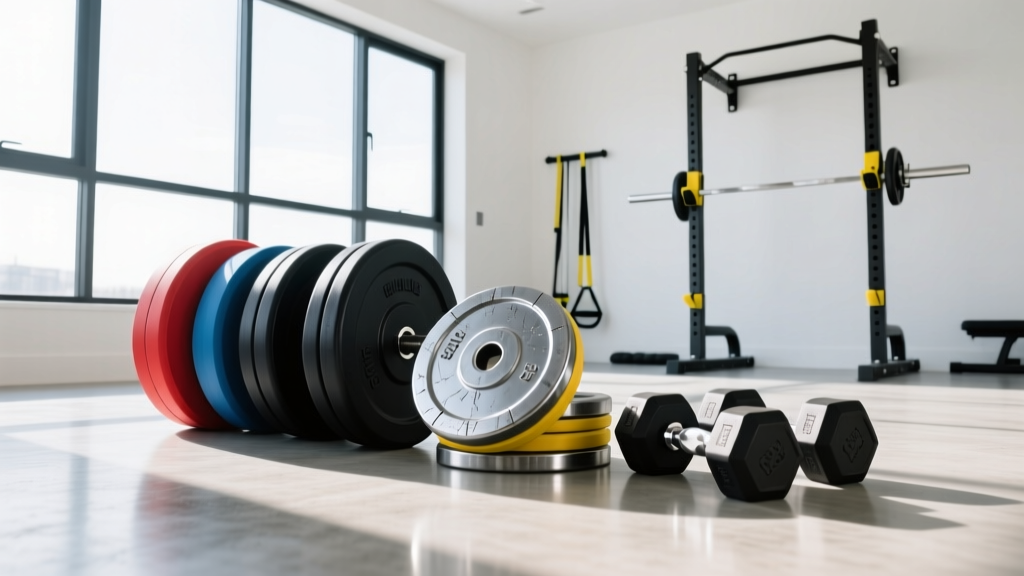
The landscape of home and commercial gym equipment has shifted dramatically over the last few years. As global supply chains for raw metals and vulcanized rubber have stabilized entering 2026, the price gap between traditional cast iron plates and modern bumper plates has narrowed, forcing lifters to make highly strategic purchasing decisions. No longer is the choice simply about budget; it is now about biomechanical programming, facility acoustics, and long-term equipment failure modes.
Whether you are outfitting a garage gym or upgrading a commercial facility, understanding the material science behind your weight plates is critical. According to BarBend's comprehensive equipment analysis, the modern lifter requires a hybrid approach, utilizing specific plate types for specific movement patterns to maximize both equipment lifespan and athletic performance.
2026 Market Snapshot:- Cast Iron Price Average: $1.60 - $2.40 per pound
- Virgin Rubber Bumper Average: $4.50 - $6.00 per pound
- Crumb Rubber Bumper Average: $2.80 - $3.50 per pound
- Primary Failure Mode (Iron): Steel hub separation ('hub walk')
- Primary Failure Mode (Bumper): Insert tearing and UV degradation
Material Science and Failure Modes: What Breaks First?
To make an informed purchase, we must look past the marketing and examine how these plates fail under real-world stress. The forces generated during Olympic lifts and heavy powerlifting expose the structural weaknesses inherent in both materials.
Cast Iron: The Traditionalist’s Choice
Traditional gray cast iron plates are manufactured by pouring molten iron into sand molds. While they offer the thinnest possible profile—allowing you to load upwards of 500 lbs on a standard barbell sleeve—they are inherently brittle. The most common failure mode in 2026 is 'hub walk.' This occurs when the steel center ring (the hub) slowly pushes out of the cast iron body after repeated eccentric drops. Once the hub shifts even two millimeters, the plate will no longer sit flush against the barbell collar, creating a dangerous lateral wobble during heavy squats or deadlifts.
Bumper Plates: Drop-Rated Durability
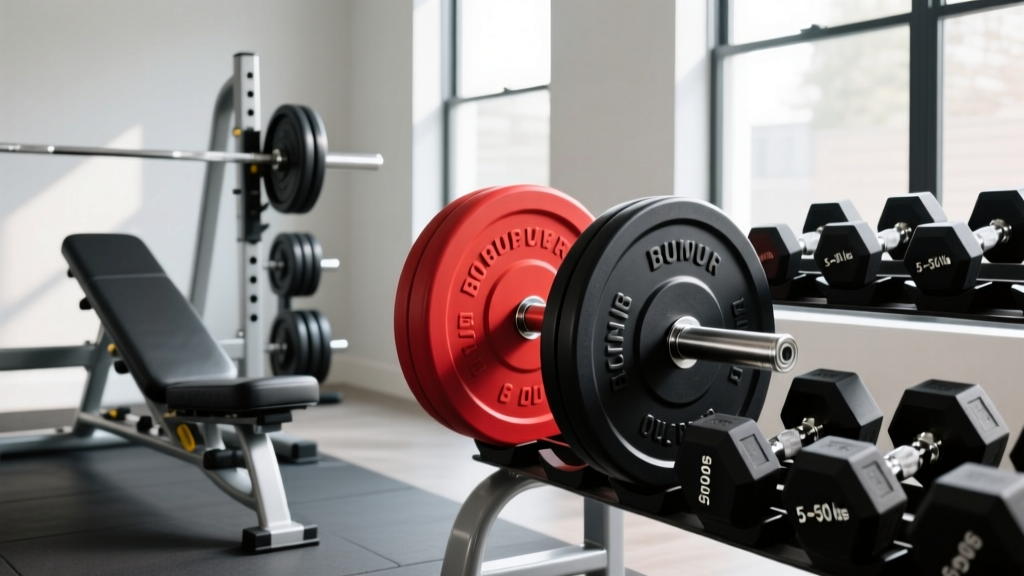
Bumper plates are engineered to absorb kinetic energy. However, not all rubber is created equal. Virgin rubber bumpers, like the industry-standard Rogue Echo Bumpers, utilize a high-durometer rubber matrix that minimizes 'dead bounce'—the dangerous rebound effect that can shatter wrists during a missed clean and jerk. Conversely, cheaper crumb rubber bumpers (made from recycled tires) have a lower Shore A durometer rating, resulting in a lively, unpredictable bounce that degrades rapidly when exposed to ozone and UV light.
Cost Analysis and Specification Matrix
When building a 300 lb plate set, the financial and spatial investments vary wildly. Below is a comparison of the three dominant plate categories available in the current market, factoring in thickness, durometer (hardness), and ideal use cases.
| Plate Type | Price Per Lb (2026) | Shore A Durometer | Drop Rating | Best Application |
|---|---|---|---|---|
| Basic Cast Iron | $1.60 - $2.00 | N/A (Rigid) | Zero (Do not drop) | Powerlifting, Machine loading |
| Crumb Rubber Bumper | $2.80 - $3.50 | 70 - 75 | Low (High bounce) | General fitness, Light Olympic |
| Virgin Rubber / Urethane | $4.50 - $6.00 | 85 - 90 | High (Dead bounce) | Competitive Weightlifting |
Programming Synergy: Barbell Compounds vs. Isolation Movements
A common mistake among novice home gym owners is attempting to use a single type of equipment for every movement pattern. Intelligent programming requires matching the tool to the biomechanical demand. Heavy, axial-loaded barbell movements demand the precise weight distribution and drop-safety of high-quality bumper or calibrated steel plates.
However, a well-rounded hypertrophy program balances heavy central nervous system (CNS) taxation with targeted, joint-friendly isolation work. For instance, after exhausting your CNS with heavy barbell bench presses using calibrated iron plates, you might transition to the chest fly exercise with dumbbells to isolate the pectoralis major without tricep involvement. During the chest fly exercise with dumbbells, the focus is on stretch-mediated hypertrophy, time-under-tension, and joint stabilization. You are not dropping the weight from overhead, meaning the drop-rating of your barbell plates is entirely irrelevant to this movement.
The plates remain on the bar or tree, but understanding how your free weight ecosystem works together—from the shock-absorbing bumpers on your platform to the ergonomic hex dumbbells in your rack—is the mark of an intelligent, future-proofed gym build.
When performing the chest fly exercise with dumbbells, the equipment priority shifts to the knurling depth, handle diameter, and urethane coating of the dumbbells themselves, ensuring sweat resistance and grip security at the bottom of the stretch. Your barbell plates serve merely as the anchor for your primary compounds, while your dumbbells handle the nuanced accessory work.
Acoustics, Flooring, and Environmental Wear
Beyond the barbell, the environment in which you train heavily dictates your plate selection. As detailed in Garage Gym Reviews' extensive plate testing, acoustic dampening is a primary concern for garage gym owners with shared walls or proximity to neighbors.
- Acoustic Impact: Dropping cast iron plates on even the thickest 3/4-inch horse stall mats generates low-frequency vibrations that travel through concrete foundations. Bumper plates, specifically those with a high Shore A durometer, absorb up to 80% of this kinetic energy, converting it into heat rather than sound.
- Flooring Preservation: Cast iron features sharp, machined edges that can easily slice through rubber flooring over time. Bumper plates feature a rounded outer lip designed to roll and disperse impact, protecting expensive lifting platforms.
- Environmental Degradation: If your gym is outdoors or in an unclimate-controlled garage, cast iron will oxidize and rust within months unless treated with a ceramic coating or regular mineral oil. Virgin rubber bumpers resist moisture but will dry-rot and crack if exposed to direct UV sunlight.
The Hybrid Purchasing Framework for 2026
The optimal setup for 90% of lifters is not an 'either/or' decision, but a strategic hybrid approach. We recommend the following allocation for a standard 500 lb plate budget:
- The Core Bumpers (60% of budget): Purchase a pair of 45 lb and a pair of 25 lb virgin rubber bumper plates. This gives you 140 lbs of drop-safe weight for deadlifts, cleans, and snatches, protecting your floor and your barbell's internal bearings.
- The Iron Fillers (40% of budget): Fill the rest of your weight tree with cast iron 10 lb, 5 lb, and 2.5 lb fractional plates. Iron change plates are significantly thinner than their rubber counterparts, allowing for precise micro-loading and ensuring you do not run out of sleeve space when pushing past 300 lbs on the bench press or squat.
By understanding the distinct mechanical advantages of both materials, and recognizing how they complement your broader routine—from heavy squats to the chest fly exercise with dumbbells—you can build a highly efficient, durable, and cost-effective free weight arsenal that will easily outlast the current fitness equipment cycle.
More gear to consider
All reviews
EZ vs Straight Bar: Reverse Curl with Dumbbells Value

Best Neoprene Weights for a Dumbbell Routine for Beginners
Bumper vs Iron Plates & Dumbbell Shoulder Flies Cost

2026 Dumbbell Storage Trends: Racks for All Types of Dumbbell Squats
Best Neoprene Dumbbells for the Dumbbell Curls Exercise in 2026