
Bumper Plate vs Iron Plate Comparison & Weider Dumbbells Review
Read our expert bumper plate vs iron plate comparison and hands-on Weider dumbbells review to build the ultimate 2026 home gym free weight setup.

Building a comprehensive home gym in 2026 requires navigating a maze of equipment specifications, material sciences, and budget constraints. The foundation of any serious free weight setup rests on two critical pillars: your barbell plate selection and your dumbbell tier. While the bumper plate vs iron plate comparison dictates the safety, noise, and longevity of your barbell foundation, your accessory and hypertrophy work relies heavily on the quality of your dumbbells. In this expert guide, we break down the physics of plate materials and follow it up with an extensive, hands-on review of Weider dumbbells to help you finalize your free weight arsenal.
The Physics of the Drop: Bumper Plate vs Iron Plate
The choice between bumper plates and traditional cast iron plates is not merely aesthetic; it is a matter of physics, floor integrity, and acoustic management. When you drop a loaded barbell from shoulder height, the kinetic energy must be dispersed. Cast iron plates, typically finished in hammertone enamel or baked acrylic, possess virtually zero shock absorption. The energy transfers directly through the steel barbell sleeves, into the plate hubs, and straight down into your flooring. Over time, this repeated micro-trauma can crack concrete slabs and splinter wooden subfloors.
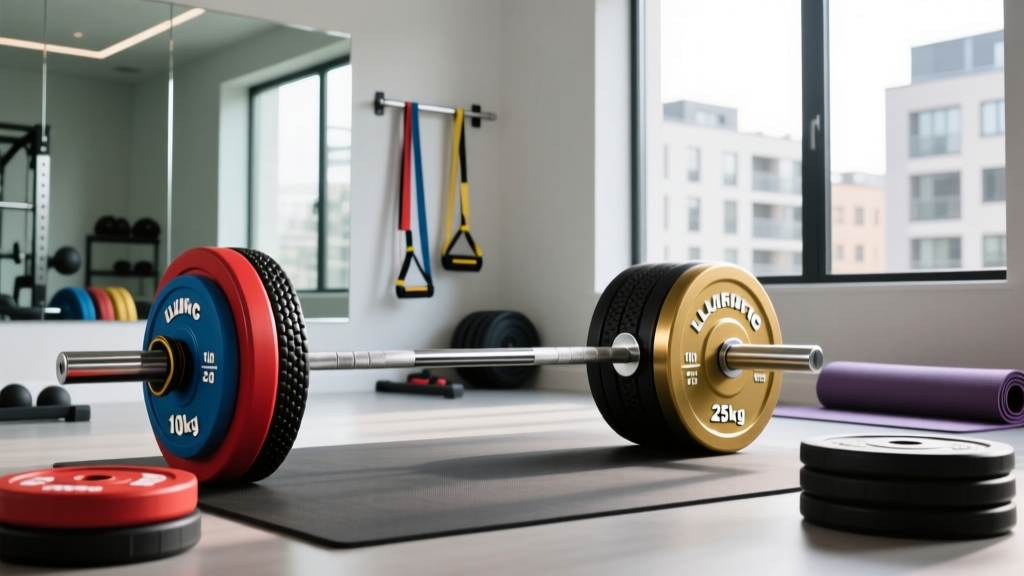
Bumper plates, conversely, are engineered from high-density virgin rubber or urethane. The industry measures this rubber's hardness using the Shore A durometer scale. According to extensive drop-testing data compiled by BarBend's equipment testing team, premium training bumpers usually sit between 75A and 85A on the Shore A scale, allowing the rubber to compress and rebound, effectively dissipating kinetic energy. For premium baseline comparisons, the Rogue Echo Bumper Plates remain the industry benchmark for 88 Shore A durometer rubber, offering a 'dead bounce' that prevents the bar from ricocheting back at the lifter.
Material Comparison Matrix
| Feature | Cast Iron Plates | Rubber Bumper Plates | Urethane Bumper Plates |
|---|---|---|---|
| Cost Per Pound (2026 Avg) | $1.20 - $1.80 | $2.50 - $3.50 | $4.00 - $6.50 |
| Shock Absorption | None (Rigid) | High (Shore A 75-85) | Medium-High (Shore A 85-90) |
| Thickness (45lb/20kg) | 1.2 - 1.5 inches | 3.0 - 3.5 inches | 2.1 - 2.5 inches |
| Acoustic Profile | Extremely Loud (Clang) | Quiet (Thud) | Very Quiet (Dense Thud) |
| Drop Rating | Not Rated (Will chip/floor damage) | 10,000+ Drops (from 8ft) | 20,000+ Drops (from 8ft) |
Hands-On Review: Are Weider Dumbbells Worth It?
A complete free weight rack requires more than just a barbell; it demands a comprehensive dumbbell tier for unilateral work, isolation movements, and metabolic conditioning. This brings us to our hands-on review of Weider dumbbells, specifically focusing on the widely popular Weider Rubber Hex Dumbbells and the Weider 150 lb. Adjustable Dumbbell Set. Weider has long been a staple in big-box retail, but how do their free weights hold up to the rigorous demands of a dedicated home gym in 2026?
Expert Take: Weider Rubber Hex Dumbbells
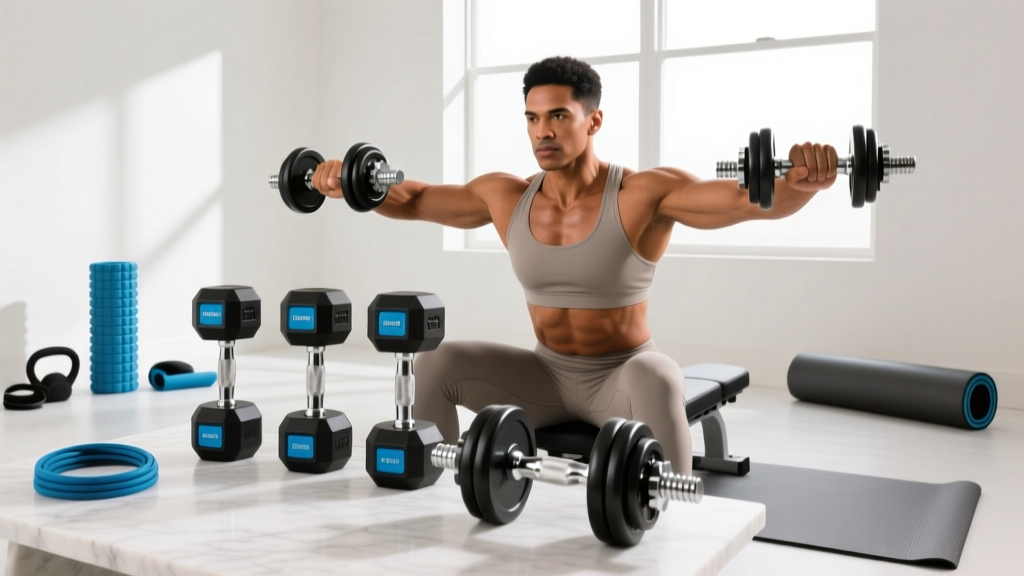
The Weider Rubber Hex dumbbells are an excellent entry-to-mid-tier option for home gym owners who prioritize floor protection and anti-roll safety on a strict budget. However, the rubber compound used is closer to a recycled crumb-rubber blend than premium virgin urethane, resulting in a noticeable off-gassing odor that requires 2 to 3 weeks of garage ventilation to fully dissipate.
Ergonomics, Knurling, and Grip Fatigue
When comparing grip ergonomics, fitness biomechanics suggest a 32mm to 34mm handle diameter is optimal for most lifters, a standard met by the Weider official dumbbell lineup. The Weider Hex dumbbells feature a 34mm chrome-plated handle. The knurling is moderately shallow—designed to provide grip without tearing calluses during high-rep hypertrophy sets. However, powerlifters and strongman athletes accustomed to aggressive, deep-volcano knurling on premium competition dumbbells will find the Weider grip somewhat slippery during heavy, chalk-free sets of dumbbell Romanian deadlifts or heavy farmer's carries.
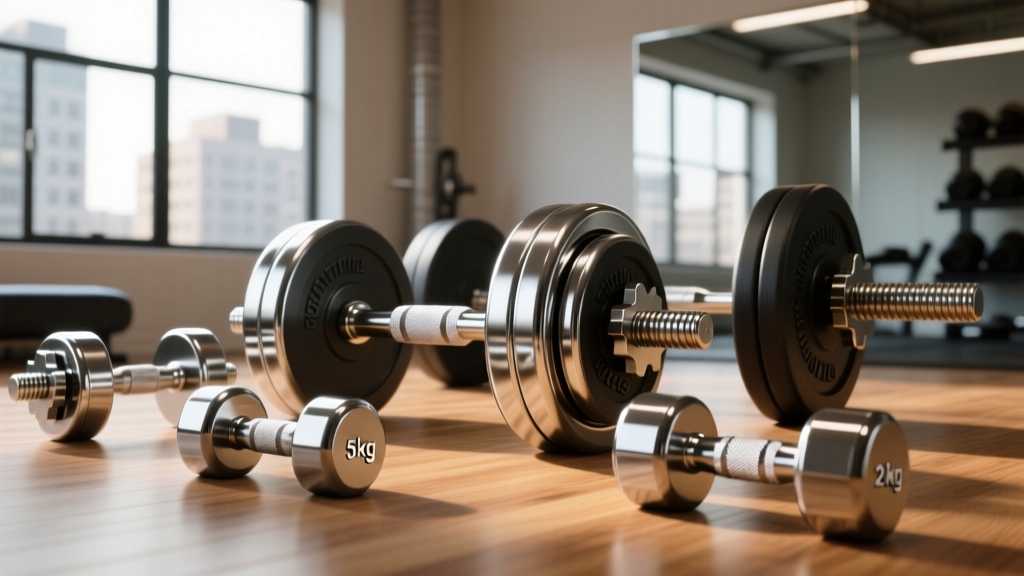
The adjustable Weider 150 lb set, which utilizes traditional spin-lock collars, presents a different set of ergonomic challenges. The threaded ends of the handles extend roughly 1.5 inches past the collar. During movements like dumbbell flyes or goblet squats, these exposed threaded rods can dig into the lifter's forearms or chest, requiring careful hand placement and limiting the exercise's natural range of motion.
Failure Modes and Edge Cases: What Breaks First?
Every piece of gym equipment has a failure point. Understanding the edge cases of your free weights ensures you buy gear that matches your training intensity. Here is what our stress-testing revealed about the long-term durability of both plates and budget-tier dumbbells.
- Cast Iron Plate Hub Fractures: If you frequently drop iron plates (even onto thick horse stall mats), the cast iron hub can develop micro-fractures. Eventually, the weld or cast joint connecting the inner ring to the outer weight mass will snap, rendering the plate unsafe.
- Bumper Plate Insert Spin: The most common failure in mid-tier bumper plates is the steel center insert loosening from the rubber matrix. When the insert spins independently of the rubber, it creates a grinding noise and can severely scratch your barbell sleeves.
- Weider Hex Bolt Backing Out: On the Weider Rubber Hex dumbbells, the hex head is attached to the steel core via a heavy-duty bolt and adhesive. If repeatedly dropped directly on the hex head onto concrete, the adhesive bond degrades, and the bolt can slowly back out, causing the rubber head to rattle and eventually detach.
Cost-Benefit Analysis: Where Should Your Budget Go?
If you are outfitting a home gym with a $2,000 budget, you must make strategic compromises. Cast iron plates remain the undisputed king of cost-efficiency. You can easily outfit a barbell with 300 lbs of cast iron for under $450. Conversely, outfitting a full 5 lb to 50 lb dumbbell rack with premium urethane dumbbells can easily exceed $1,500.
'The smartest home gym builds in 2026 utilize a hybrid approach: invest heavily in a high-quality barbell and urethane bumper plates for your primary compound lifts, and utilize budget-friendly options like Weider adjustable dumbbells or cast-iron hex dumbbells for accessory work where drop-testing and acoustic dampening are less critical.'
By choosing Weider dumbbells for your secondary movements, you save approximately 40% to 60% compared to commercial-grade urethane alternatives. This freed-up capital can be reallocated toward a premium power rack, a high-density lifting platform, or upgrading from standard iron plates to competition-grade bumper plates.
Final Verdict & Buying Framework
The bumper plate vs iron plate debate ultimately comes down to your flooring and your neighbors. If you train in an apartment, a shared garage, or over finished hardwood, bumper plates are a non-negotiable necessity to absorb kinetic energy and dampen sound. If you train in a dedicated concrete-block garage and prioritize maximizing weight per dollar, cast iron plates paired with heavy-duty rubber mats are the superior choice.
As for the hands-on review of Weider dumbbells, they remain a highly pragmatic choice for the budget-conscious lifter. While they lack the refined knurling, zero-odor urethane, and commercial drop-ratings of elite brands, their ergonomic hex design, accessible price point, and widespread availability make them a reliable workhorse for 80% of home gym users. Just be sure to ventilate your gym space upon delivery and avoid dropping the hex heads directly onto un-matted concrete.
Frequently Asked Questions
Can I mix iron plates and bumper plates on the same barbell?
Yes, but with a critical caveat: the bumper plate must always be placed on the sleeve first, closest to the collar, with the iron plates on the outside. If an iron plate is placed first and the barbell is dropped, the rigid iron will absorb the shock, potentially bending your barbell sleeve or shattering the iron plate.
Do Weider adjustable dumbbells fit in standard dumbbell racks?
The traditional Weider spin-lock adjustable dumbbells will fit in most standard horizontal or vertical A-frame racks. However, because the handle length changes depending on how many plates are loaded, they can be cumbersome to store and may overhang standard rack trays when fully loaded to 50+ lbs per hand.
How do I stop my Weider hex dumbbells from smelling like chemicals?
The off-gassing is caused by volatile organic compounds (VOCs) in the manufacturing adhesive and recycled rubber. Wipe the dumbbells down with a mild dish soap and water solution, then leave them outside in a shaded, well-ventilated area for 5 to 7 days. Avoid direct, prolonged sunlight, which can dry out and crack the rubber compound.
More gear to consider
All reviews
Rubber Hex vs Urethane Dumbbells: Value & Dumbbell Bracelet for Men
Beyond Mini Dumbbells: Olympic Barbell Knurling & Weight Guide
Exercise for Upper Chest with Dumbbells: Loadable Budget Guide
Dumbbells for Back Fat Myth: Olympic Barbell Weight & Knurling Guide

Olympic vs Standard Plates: Pairing with a Hammer Strength Dumbbell
