Bumper vs Iron Plates: Longevity & the Reverse Fly with Dumbbells
Compare bumper vs iron plates for longevity and maintenance. Learn floor protection tips for heavy drops and the reverse fly with dumbbells.

The Great Debate: Bumper Plates vs. Iron Plates for Long-Term Durability
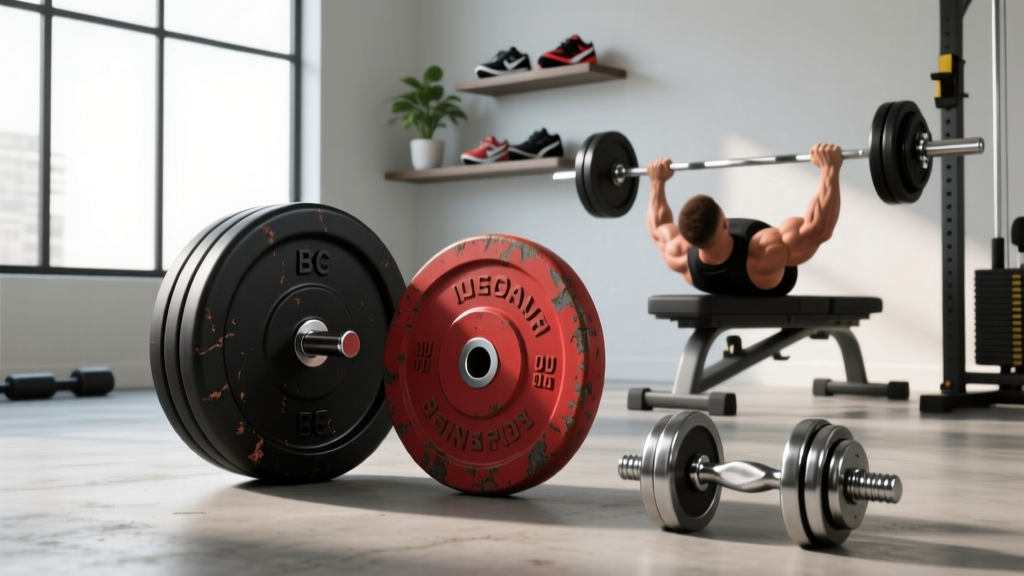
Building a home gym in 2026 requires a strategic approach to equipment selection, especially when weighing the pros and cons of bumper plates versus traditional cast iron plates. While the initial conversation often revolves around the ability to drop weights from overhead, the true differentiator between these two plate types lies in their long-term maintenance, material degradation, and how they interact with your gym's spatial layout.
When mapping out your lifting zone, you must consider the footprint required for both Olympic lifts and accessory movements. For instance, executing a strict reverse fly with dumbbells requires ample lateral clearance, and dropping those heavy dumbbells at the end of a fatiguing set can cause localized impact damage to both your flooring and any nearby iron weight trees. Understanding the material science and maintenance requirements of your weight plates is the key to protecting your investment and your training space.
Material Science and Failure Modes
To make an informed decision, we must look at how these plates are manufactured and how they ultimately fail over a 10- to 15-year lifespan.
Cast Iron Plates: Oxidation and Micro-Fractures
Traditional iron plates (such as the classic York Legacy or Rogue Black Oxide plates) are cast from molten iron and machined for weight accuracy. Their primary enemy is oxidation. In environments where relative humidity (RH) fluctuates above 50%, bare or poorly coated iron will develop surface rust. Over time, this rust can cause 'rust jacking'—a process where the oxidation expands beneath the powder coat, causing the finish to flake and chip.
Furthermore, dropping iron plates on unyielding surfaces causes micro-fractures in the cast metal. While rare, a severe impact on concrete can literally crack a plate in half, rendering it dangerous and unusable.
Bumper Plates: Insert Blowouts and UV Degradation
Bumper plates are constructed from virgin rubber or high-density urethane, encasing a steel or brass center insert. The most common failure mode for mid-tier rubber bumpers is insert separation. Repeated dropping—especially with lighter plates (10lb and 15lb) that lack the mass to absorb the shock—causes the rubber to tear away from the metal hub.
Additionally, rubber is highly susceptible to UV degradation and ozone cracking. If your garage gym lacks UV-filtered window tinting or climate control, the rubber will dry out, turn chalky, and eventually crumble at the edges.
⚠️ Critical Warning: The 'Taco' EffectNever store bumper plates leaning against a wall for extended periods. The continuous uneven pressure will warp the rubber, causing them to bend into a 'taco' shape. Once a bumper plate warps, it will not sit flush on a barbell sleeve, creating dangerous lateral wobble during heavy squats or deadlifts.
2026 Pricing and Market Realities
As of early 2026, the price gap between premium urethane and standard cast iron remains significant. Premium urethane options like the Eleiko Training Plates hover around $4.50 to $5.50 per pound, offering near-indestructible longevity and minimal bounce. Standard virgin rubber options like the Rogue Echo Bumpers sit closer to $2.75 per pound. Conversely, machined cast iron plates average $1.50 to $2.00 per pound, making them the undisputed king of budget-friendly mass.
Routine Maintenance Protocols for Maximum Lifespan
Regardless of the material you choose, implementing a strict maintenance schedule will double the lifespan of your gear.
Cast Iron Care Routine
- Monthly Wipe-Down: Use a nylon-bristle brush to remove chalk dust and skin oils from the knurled edges and lettering.
- Bi-Annual Oiling: Apply a micro-thin layer of 3-in-One oil or mineral oil to the plates. Wipe off the excess with a microfiber cloth to prevent a sticky residue that attracts dust.
- Rust Spot Treatment: If surface rust appears, use a brass wire brush (never steel, which will strip the paint) to gently agitate the spot, then re-oil immediately.
Bumper Plate Care Routine
- Cleaning: Wipe down rubber bumpers every two weeks with a damp cloth and a mild, non-bleach dish soap. Avoid harsh chemical degreasers, which strip the natural oils from the rubber and accelerate drying.
- Hub Lubrication: Apply a tiny drop of white lithium grease to the inner steel ring to ensure smooth loading onto the barbell sleeve, preventing metal-on-metal scraping.
- Temperature Control: Keep rubber plates in an environment between 55°F and 80°F. Extreme cold makes the rubber brittle and prone to shattering upon impact.
Spatial Layout, Flooring, and Accessory Movements
One of the most overlooked aspects of the bumper vs. iron debate is how your plate storage and flooring interact with your accessory exercises. According to facility design guidelines outlined by the National Strength and Conditioning Association (NSCA), proper spatial planning and flooring are critical for equipment longevity and athlete safety.
If your routine heavily features isolation work—like the reverse fly with dumbbells performed on an adjustable bench—you will likely be setting and dropping 30lb to 50lb dumbbells repeatedly at the end of your sets. If you store cast iron plates on a low-profile weight tree nearby, a stray dumbbell dropped during the reverse fly with dumbbells can easily chip the iron's powder coat, initiating a rust cycle. Furthermore, the concentrated point-load of a dropped dumbbell can dent standard 1/2-inch rubber floor tiles.
'A well-designed home gym must account for the 'drop zone' of accessory movements, not just the barbell. The lateral footprint of exercises like rear-delt flyes requires strategic placement of weight storage to prevent secondary equipment damage.' — Garage Gym Facility Design Standards, 2025
The Solution: Invest in 3/4-inch thick vulcanized horse stall mats for your primary lifting platform. Store your iron plates on wall-mounted vertical racks rather than low trees, keeping them safely out of the 'drop zone' created by dumbbell accessory work. If you prefer bumpers, their rubberized edges are far more forgiving if accidentally struck by a swinging dumbbell.
Bumper Plate vs Iron Plate Comparison Matrix
| Feature | Cast Iron Plates | Virgin Rubber Bumpers | Premium Urethane Bumpers |
|---|---|---|---|
| Cost per lb (2026) | $1.50 - $2.00 | $2.50 - $3.50 | $4.50 - $6.00 |
| Drop Rating | Low (Requires mats) | High (Dead bounce) | Very High (Minimal bounce) |
| Primary Failure Mode | Oxidation / Rust | Insert Separation | Cosmetic Scuffing |
| Maintenance Frequency | High (Oiling required) | Medium (Soap & water) | Low (Dusting) |
| Flooring Requirement | 3/4" Stall Mats + Plywood | 3/4" Stall Mats | Standard Rubber Tiles OK |
| Noise Profile | Very Loud (Clanging) | Quiet (Thud) | Very Quiet (Dense Thud) |
Expert Verdict: Which Should You Buy?
The choice between bumper and iron plates ultimately depends on your training style, budget, and environmental control.
Choose Cast Iron If: You are on a strict budget, primarily perform powerlifting or bodybuilding movements where dropping the bar is rare, and have a climate-controlled indoor space where humidity stays below 45% RH. Just be mindful of your spatial layout to protect the iron from stray dumbbells during movements like the reverse fly with dumbbells.
Choose Bumper Plates If: You perform Olympic weightlifting, CrossFit, or high-repetition deadlifts where dropping the bar is part of the programmed workout. Bumpers also protect your subflooring and reduce noise pollution in shared residential spaces. For the best balance of cost and longevity, standard virgin rubber bumpers remain the gold standard for the modern home gym.
More gear to consider
All reviews
Neoprene Dumbbell Guide: Workout With Just Dumbbells in 2026

Lying Dumbbell Tricep Extensions vs EZ and Straight Bars

Power Rack vs Squat Stand Setup for a Safe Pull Dumbbell Workout

Bumper vs Iron Plates: Market Trends & Weight Dumbbells for Women

Cast Iron vs Competition Kettlebells and Glute Kickbacks with Dumbbells
