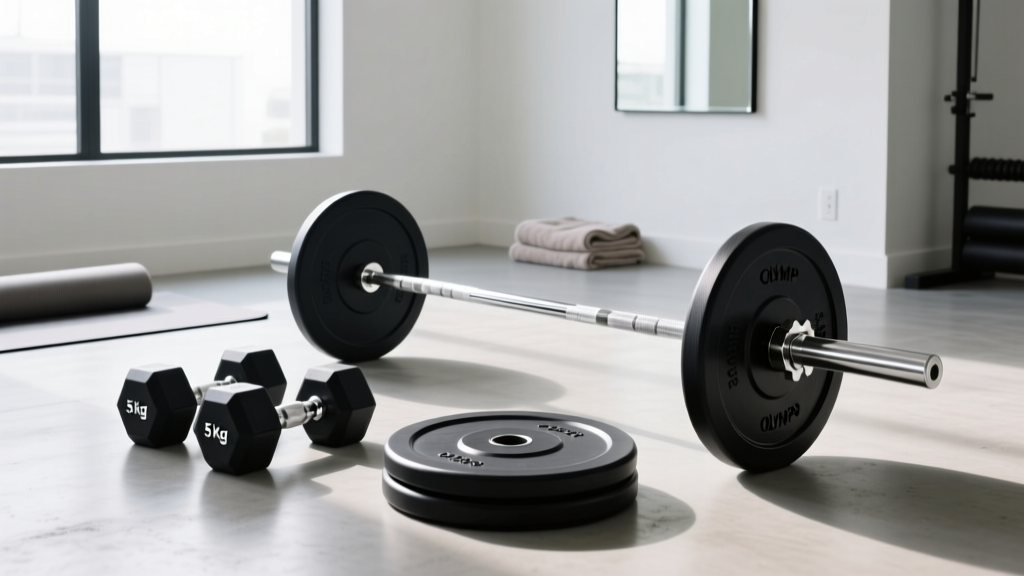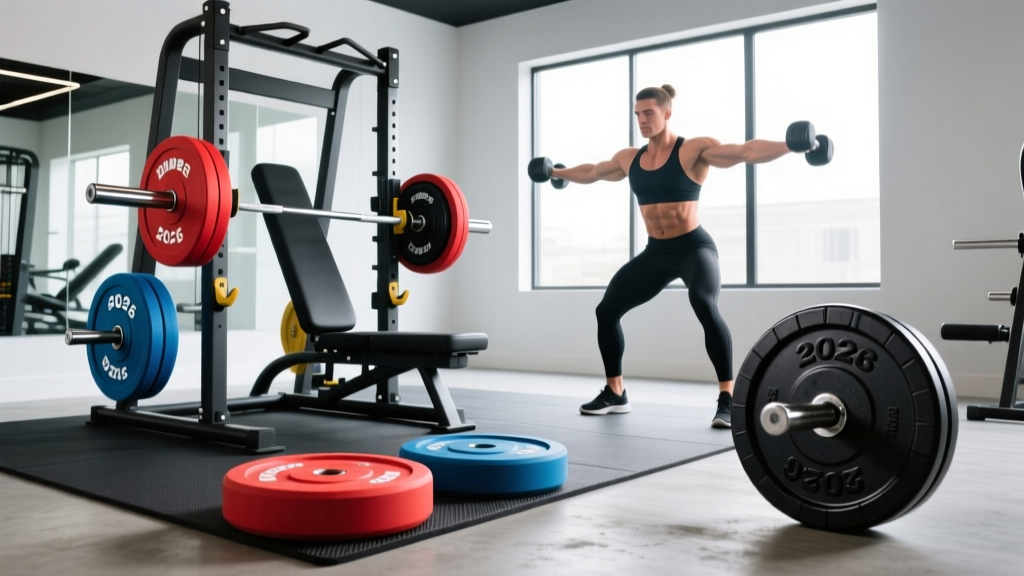
Bumper vs Iron Plate Trends: Gear for the Dumbbell Chest Fly Exercise
Analyze 2026 bumper plate vs iron plate market trends, pricing, and gym flooring impacts for heavy lifts and the dumbbell chest fly exercise.

The 2026 Free Weight Market: Bifurcation of Heavy Drops and Isolation Zones
The commercial and home gym equipment market has undergone a radical transformation as we move through 2026. According to recent data from Grand View Research, the global fitness equipment market continues to expand, driven heavily by the premiumization of home gyms and the rise of boutique hybrid training facilities. Within the free weights sector, a distinct bifurcation has emerged: the high-impact 'drop zone' dominated by precision-engineered bumper plates, and the 'hypertrophy corner' where traditional iron plates and specialized dumbbells reign supreme.
For facility managers, garage gym owners, and strength coaches, the decision between outfitting a space with bumper plates versus cast iron plates is no longer just about the barbell. It is a comprehensive spatial and financial calculation that dictates flooring requirements, storage footprints, and the overall flow of a training session. Understanding the material science, depreciation curves, and practical applications of both plate types is essential for optimizing any modern training environment.
Bumper Plate vs Iron Plate: Material Science and Manufacturing Trends
The manufacturing landscape for weight plates in 2026 is defined by tighter tolerances and advanced material composites. The days of poorly cast iron plates with 5% weight variances and cheap, toxic-smelling crumb rubber bumpers are largely confined to the budget bin. Today's market demands precision.
The Evolution of Bumper Plates
Modern premium bumper plates, such as the Rogue Echo Bumpers or Eleiko Competition Plates, are constructed from virgin rubber with a durometer rating typically between 85 and 90 Shore A. This specific hardness is engineered to minimize the 'dead bounce' effect, ensuring that when a lifter drops a loaded barbell from overhead, the kinetic energy is absorbed rather than redirected back into the bar. The Rogue Fitness Echo Bumper specifications highlight a stainless steel hub insert that prevents the common failure mode of hub cracking and sleeve scratching.
The Resurgence of Urethane-Coated Iron
Conversely, cast iron plates have seen a massive resurgence, not in their raw, rust-prone form, but encased in high-density urethane. Urethane-coated iron plates (like those from Rep Fitness or Again Faster) offer the extreme density of metal with a protective, odorless shell that resists UV degradation and impact scuffing. Because iron is significantly denser than rubber, a 45lb urethane iron plate is roughly 1.5 inches thick, compared to the 3.2-inch thickness of a standard 45lb bumper plate.
Market Insight: In 2026, raw cast iron plates with baked enamel finishes are increasingly relegated to budget commercial chains and rustic garage gyms, while urethane-coated iron has captured the premium home gym and boutique studio demographic due to its aesthetic longevity and zero-odor profile.Facility Zoning: Deadlift Platforms vs. Hypertrophy Corners
The physical properties of bumper and iron plates directly influence how modern gyms are zoned. The National Strength and Conditioning Association (NSCA) emphasizes the importance of spatial zoning for safety and equipment longevity. Bumper plates necessitate specialized 3/4-inch vulcanized rubber flooring and dedicated dropping platforms to manage acoustic pollution and structural vibration.
However, not all training requires a drop zone. When designing a comprehensive facility, owners must allocate space for strict isolation and hypertrophy work. For example, when a lifter sets up for a heavy dumbbell chest fly exercise, they require a stable, non-bouncing environment, specialized adjustable benches, and a dedicated dumbbell rack. This isolation zone is typically situated away from the chalk-heavy, high-impact dropping areas. In these hypertrophy corners, traditional iron plates (used on plate-loaded isolation machines or for micro-loading) and adjustable dumbbells are the primary tools. The density of iron plates makes them ideal for plate-loaded chest fly machines or leveraging on the floor for deficit push-ups, where the thin profile of iron allows for a greater range of motion compared to the bulky profile of bumper plates.
Comparative Specifications and 2026 Pricing Data
To make an informed purchasing decision, one must look at the hard data. Below is a comparison matrix of standard 45lb (20kg) plates across the two dominant categories in the current market.
| Feature | Premium Virgin Rubber Bumper | Urethane-Coated Iron Plate | Raw Cast Iron (Enamel) |
|---|---|---|---|
| Average Thickness (45lb) | 3.2 inches | 1.5 inches | 1.3 inches |
| Durometer / Hardness | 85-90 Shore A | N/A (Metal Core) | N/A (Metal Core) |
| Drop Tolerance | High (Designed for drops) | Low (Urethane may chip) | Zero (Will damage floor/plate) |
| 2026 Avg. Price Per Pound | $3.15 - $4.50 / lb | $2.20 - $3.00 / lb | $1.20 - $1.80 / lb |
| Weight Accuracy | +/- 1% | +/- 2% | +/- 5% |
Storage Footprint, Rack Compatibility, and Failure Modes
One of the most overlooked aspects of the bumper vs. iron debate is the storage footprint. Because bumper plates are uniformly sized (all bumpers from 10lbs to 45lbs share the same 450mm diameter) and significantly thicker, they consume massive amounts of horizontal space on weight trees and plate racks.
Common Failure Modes to Monitor
- Bumper Plate Hub Separation: In cheaper, recycled 'crumb' rubber bumpers, the steel center hub can separate from the rubber matrix after repeated drops in cold environments (below 50°F). Always opt for virgin rubber with a hooked or flanged steel insert.
- Urethane Chipping: While urethane iron plates are highly durable, dropping them on bare concrete without mats will cause the urethane edges to chip and peel over time, exposing the iron core to oxidation.
- Iron Plate Rust and Caliper Inaccuracies: Raw cast iron plates are highly susceptible to humidity. Furthermore, budget iron plates often feature poorly machined center holes, making them difficult to slide onto Olympic sleeves, which can prematurely wear the barbell's chrome or cerakote finish.
The Hybrid Arsenal: A Practical Decision Framework
For the serious home gym owner or commercial facility manager in 2026, the optimal approach is rarely an 'either/or' scenario. The most efficient free weight arsenals utilize a hybrid model based on movement mechanics.
"The modern gym floor is an ecosystem. You don't buy plates just for the barbell; you buy them for the floor, the racks, and the specific movement patterns your athletes are executing."
Step 1: Outfit the Drop Zone. Purchase enough virgin rubber bumper plates to accommodate your heaviest Olympic lifts and high-volume deadlift sessions. A standard starting point is two sets of 45s, 25s, and 10s.
Step 2: Fill the Hypertrophy and Accessory Zones. Invest in urethane-coated iron plates for plate-loaded machines, sleds, and micro-loading. Their thin profile allows you to load a leg press or a chest fly machine without running out of sleeve space.
Step 3: Dedicate Isolation Spaces. Ensure your adjustable benches and dumbbell racks are positioned in low-traffic, non-drop zones. Movements requiring intense mind-muscle connection and stability—like the dumbbell chest fly exercise—demand an environment free from the distractions and vibrations of heavy barbell drops.
Frequently Asked Questions (FAQ)
Can I mix bumper plates and iron plates on the same barbell?
While physically possible, it is highly discouraged. If you load a 45lb iron plate on the outside of a 45lb bumper plate and drop the bar, the iron plate will take the entire impact force, likely shattering the plate, bending the barbell sleeve, and destroying your flooring. Always ensure the bumper plate is the outermost layer if mixing is absolutely necessary for loading math, though avoiding the mix entirely is the 2026 industry standard.
Are crumb rubber bumpers worth the budget savings?
For strict home garage gyms where dropping is minimal, crumb rubber can save you roughly $1.00 per pound. However, they emit a strong volatile organic compound (VOC) odor that can take months to off-gas, and their high bounce factor poses a safety risk in commercial settings. Virgin rubber remains the superior long-term investment.
More gear to consider
All reviews
Men's Leg Workouts with Dumbbells: Rubber vs Urethane

Dumbbell Rack Maintenance for Heavy Overhand Dumbbell Rows

Olympic Barbell Buying Guide & Dumbbell Zottman Curl Setup
Beyond the Dumbbell Workout to Lose Belly Fat: Olympic Barbell Guide
Home Gym Setup: Using Neoprene Dumbbells for Legs Effectively