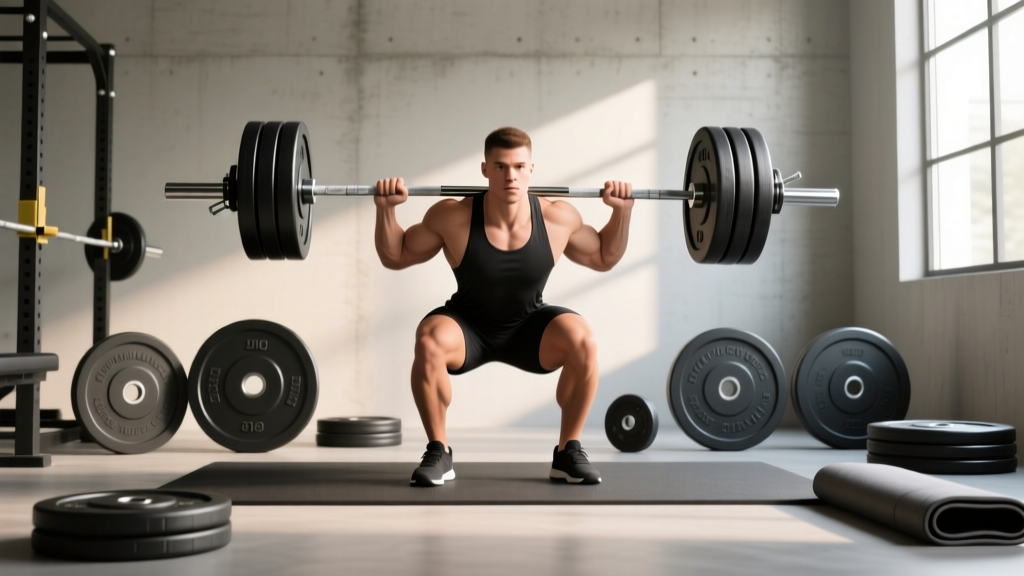
Bumper vs Iron Plates: 2026 Market Trends & Dumbbell Back Workouts
Explore the 2026 bumper plate vs iron plate comparison, analyzing market trends, pricing per pound, and impacts on dumbbell back workouts and gym flooring.

2026 Market Intelligence Brief
The free weight manufacturing sector has undergone significant material and pricing shifts over the last 24 months. This report analyzes the current bumper plate vs iron plate comparison, evaluating supply chain realities, material durability, and how these choices cascade into adjacent training zones, including heavy dumbbell back routines and specialized storage racks.
As we navigate the 2026 fitness equipment landscape, the debate between outfitting a facility with bumper plates versus traditional cast iron plates is no longer just about noise reduction. It is a complex calculation involving raw material costs, spatial efficiency, and cross-equipment compatibility. According to recent data from Grand View Research's fitness equipment market reports, the demand for high-density polyurethane and virgin rubber coatings has surged, driven by the proliferation of hybrid commercial-home gyms that demand versatile, drop-safe flooring ecosystems.
The 2026 Free Weight Market Landscape
The global supply chain for raw rubber and cast iron has stabilized since the volatile early-2020s, but manufacturing standards have evolved. Today's buyers are hyper-focused on durometer ratings (hardness), hub insertion techniques, and calibration tolerances. The modern strength facility is a multi-use environment. A single square footage must accommodate Olympic lifting, powerlifting, and high-volume accessory work. This convergence forces gym owners and serious home lifters to weigh the spatial footprint of thick rubber bumpers against the dense, compact profile of machined iron.
Furthermore, as noted in BarBend's comprehensive guide on plate materials, the rise of functional fitness has permanently blurred the lines between weightlifting and bodybuilding equipment. Lifters are no longer strictly segregating their equipment; a barbell plate zone must now coexist harmoniously with free weight stations, influencing everything from flooring density to rack attachments.
Bumper Plate vs Iron Plate Comparison Matrix
To understand the current market offerings, we must look at the exact specifications defining the top-tier models in 2026. Below is a structural and economic comparison of standard 45lb (20kg) plates across the three dominant material categories.
| Feature | Virgin Rubber Bumper (e.g., Rogue Echo) | Machined Cast Iron (e.g., Rep Fitness Deep Dish) | Urethane Coated (e.g., Titan Fitness Pro) |
|---|---|---|---|
| Average 2026 Price | $2.80 - $3.50 / lb | $1.40 - $1.80 / lb | $4.50 - $6.00 / lb |
| Thickness (45lb Plate) | ~3.2 inches | ~1.3 inches | ~1.6 inches |
| Durometer (Shore A) | 85 - 90 (Medium-Hard) | N/A (Solid Metal) | 90+ (Very Hard) |
| Weight Tolerance | +/- 1% | +/- 2% to 5% | +/- 1% |
| Primary Failure Mode | Hub separation / Edge tearing | Oxidation / Chipping | Surface scratching / Hub loosening |
The 'Dumbbell Back' Factor: Cross-Equipment Impact
Why does a barbell plate comparison matter for other areas of the gym? The answer lies in flooring protection and spatial dynamics, particularly when analyzing heavy accessory movements. Consider the staple of any posterior chain routine: the dumbbell back workout. When athletes perform heavy unilateral movements—like the single-arm dumbbell row, chest-supported T-bar rows, or renegade rows—they frequently drop the weight from waist or chest height upon muscular failure or set completion.
If your gym ecosystem is built around fragile cast iron plates and unprotected subflooring, this cross-contamination of equipment usage becomes a massive liability. Lifters subconsciously adapt their dumbbell back training based on the environment. In a gym equipped with high-durometer bumper plates and corresponding 3/4-inch vulcanized rubber horse-stall mats, athletes feel secure dropping heavy 100lb+ dumbbells after a grueling set of Meadows rows. Conversely, in an iron-plate gym with thin rubber tiles, athletes must awkwardly lower heavy dumbbells, altering the stimulus and increasing lower-back fatigue during the eccentric phase of their dumbbell back exercises.
Expert Insight: Rack Storage Compatibility
The thickness disparity between bumpers and iron drastically alters weight storage solutions. A standard 5-tier dumbbell back rack or plate tree designed for cast iron will physically buckle or overflow if loaded with virgin rubber bumpers. A 45lb iron plate takes up 1.3 inches of lateral space, while a 45lb bumper takes up 3.2 inches. When outfitting a 2026 facility, you must purchase specialized wide-tier plate storage or accept a 40% reduction in total rack capacity if you choose rubber.
Material Science: Failure Modes and Edge Cases
According to extensive drop-testing documented by Garage Gym Reviews' 2025-2026 equipment testing, understanding how these plates fail over a 5-year lifecycle is critical for ROI calculation.
1. Bumper Hub Delamination and 'Taco-ing'
The most common failure in mid-tier rubber bumpers is hub separation. The steel center insert is molded into the rubber. Under repetitive high-impact drops (especially with lighter 10lb and 15lb technique plates), the rubber tears away from the steel hub. Furthermore, dropping a barbell with only light bumpers can cause the plates to fold inward—a phenomenon known as 'taco-ing'—which bends the barbell sleeve and ruins the plate. Solution: Only purchase bumpers with hooked or flanged steel hubs, and never drop a bar loaded with less than 35lbs of bumper weight per side.
2. Cast Iron Calibration Drift and Oxidation
While iron plates do not delaminate, they suffer from environmental degradation. In humid environments or garage gyms without climate control, cast iron oxidizes. This rust not only degrades the aesthetic and leaves residue on the hands and barbell knurling, but it can actually alter the weight. Severe scaling can cause a 45lb plate to lose ounces of material over a decade, or conversely, thick rust buildup can add marginal weight. Furthermore, cheap cast iron molds often feature a 3-5% weight variance, meaning your 45lb plate might actually weigh 42lbs, skewing progressive overload tracking.
2026 Pricing and Procurement Framework
When allocating budget for a commercial space or high-end home gym in 2026, use this decision matrix to determine the optimal plate material:
- Choose Virgin Rubber Bumpers If: Your facility focuses on Olympic weightlifting, CrossFit, or functional fitness where dropping the barbell from overhead or the shoulder is mandatory. You must also budget for 3/4-inch thick rubber flooring to protect the subfloor from the blunt force transfer.
- Choose Machined Cast Iron If: You run a powerlifting, bodybuilding, or traditional strength facility. Iron allows you to load upwards of 600+ lbs on a standard barbell sleeve (impossible with bumpers due to thickness). It is also the most cost-effective option, freeing up capital to invest in premium adjustable dumbbells or specialized dumbbell back isolation machines.
- Choose Urethane If: You are outfitting a luxury commercial health club. Urethane offers the drop-resistance of rubber with the compact density of iron, zero odor, and extreme resistance to scratching and UV degradation. The premium price tag ($5.00+/lb) is justified by a 20-year lifespan in high-traffic public environments.
The smartest 2026 gym builds do not rely on a single material. The optimal hybrid approach involves purchasing a core set of calibrated iron plates for heavy squat and bench days, supplemented by a set of 10lb and 15lb virgin rubber bumpers for technique work and dynamic effort pulls. This maximizes sleeve capacity while protecting the floor during high-velocity movements.
Final Verdict
The bumper plate vs iron plate comparison ultimately hinges on your specific training modalities and spatial constraints. While iron remains the undisputed king of density and cost-efficiency for traditional strength training, the modern necessity for drop-safe environments—driven by everything from Olympic lifts to heavy dumbbell back accessory drops—keeps high-durometer rubber and urethane at the forefront of market trends. Evaluate your flooring, measure your rack storage tiers, and align your 2026 procurement with the actual mechanical stresses your equipment will endure.
More gear to consider
All reviews
Cast Iron vs Competition Kettlebells: Space & Dumbbell Windmill Guide

Are Iron Grip Dumbbells in KG or LBS? Adjustable Set Troubleshooting
Olympic Barbell Guide: Weight, Knurling & Seated Dumbbell Hammer Curl

Dumbbell Workout Plan for Beginners: Neoprene Weight Mistakes
Calf Dumbbell Workouts: Troubleshooting Neoprene Weight Limits