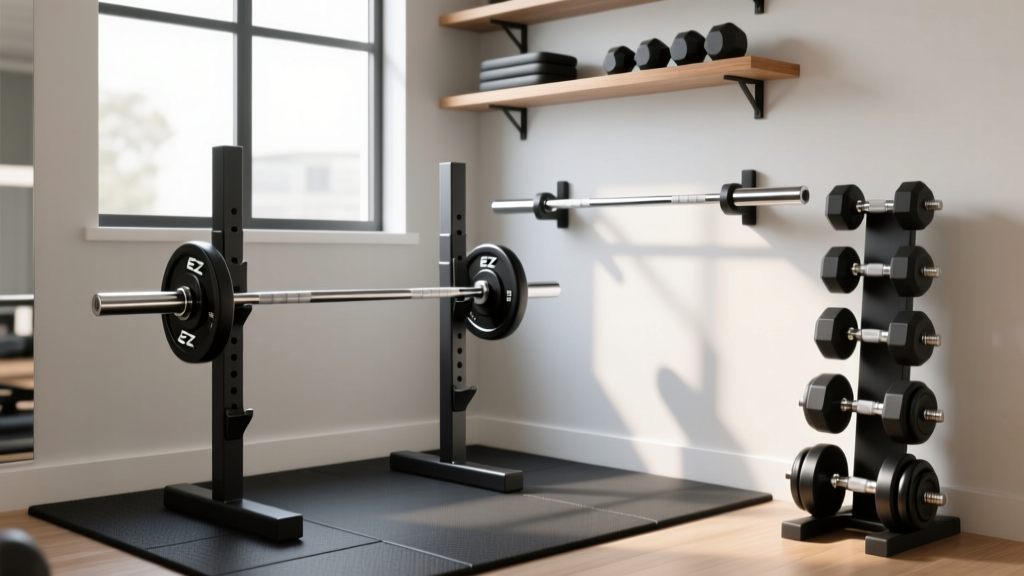
Bumper Plate vs Iron Plate Care: Plus Pepin Dumbbell Tips
Discover expert maintenance tips for bumper vs iron plates. Learn how to prevent rust, preserve bounce, and care for boutique gear like the Pepin dumbbell.

The True Cost of Free Weight Neglect
As we navigate the fitness equipment landscape in 2026, the cost of replacing premium free weights has surged, making proactive maintenance not just a matter of aesthetics, but of serious financial preservation. Whether you are outfitting a commercial facility or a high-end home gym, understanding the distinct material science behind your gear is critical. The maintenance protocols for cast iron plates, vulcanized rubber bumpers, and boutique precision gear like the Pepin dumbbell vary wildly. Applying the wrong cleaning agent or storage method can lead to catastrophic failure modes—from rusted knurling to separated steel hubs.
This guide provides a deep-dive, metallurgical, and material-based approach to maintaining your free weights, ensuring they survive decades of high-impact use.
Cast Iron vs. Machined Steel Plates: Oxidation and Prevention
Not all iron plates are created equal. Traditional sand-cast iron plates possess a microscopic porous surface that traps moisture, chalk dust, and the acidic salts found in human sweat. When left unattended, this combination creates a highly corrosive paste that accelerates iron oxide (rust) formation. According to material degradation data from Corrosionpedia, the presence of chloride ions from sweat can increase the corrosion rate of bare carbon steel by up to 400% in high-humidity environments.
The Correct Iron Plate Maintenance Protocol
Many lifters make the fatal error of using wire brushes on zinc-plated or black oxide-coated iron plates. While a wire brush removes rust, it simultaneously strips the protective factory coating, leaving the bare iron vulnerable to immediate re-oxidation.
- Step 1: Dry Brushing. Use a stiff nylon bristle brush to dislodge chalk and skin cells from the plate grooves and center hubs.
- Step 2: Solvent Wipe. For stubborn grime, use a microfiber cloth lightly dampened with isopropyl alcohol (70% concentration). Avoid water-based cleaners entirely.
- Step 3: Passivation and Protection. Apply a micro-thin layer of 3-IN-ONE oil or a dedicated protectant like Break-Free CLP. Wipe off all excess. The goal is a dry-to-the-touch hydrophobic barrier, not a greasy residue that will attract more dust.
Bumper Plate Longevity: Rubber Degradation and Hub Separation
The bumper plate vs iron plate comparison often centers on floor protection, but from a maintenance perspective, they are entirely different beasts. Bumper plates are constructed from vulcanized rubber with a pressed-in steel center hub. The primary failure mode of a bumper plate is rarely the rubber tearing; it is the steel insert breaking free from the rubber matrix due to repetitive high-impact shear forces.
Environmental Threats to Vulcanized Rubber
Virgin rubber bumpers (typically rated between 85A and 90A on the Shore durometer scale) are highly susceptible to UV degradation and ozone cracking. If your gym features large windows with direct sunlight, the UV rays will break down the polymer chains in the rubber, causing it to dry out, fade, and eventually crumble at the edges. Furthermore, crumb rubber plates (like traditional Hi-Temp plates) are porous and can absorb ambient moisture, leading to internal mold and a permanent, foul odor.
⚠️ CRITICAL WARNING: Never use bleach, ammonia, or harsh degreasers on bumper plates. These chemicals strip the natural waxes and oils from the vulcanization process, accelerating dry rot. Use only pH-neutral soap and water for deep cleaning.Maintenance Matrix: Iron vs. Bumper vs. Boutique Gear
To streamline your gym maintenance schedule, reference the comparison matrix below. This framework categorizes the unique vulnerabilities and required care frequencies for the three main categories of free weights.
| Equipment Type | Primary Vulnerability | Cleaning Agent | Maintenance Frequency |
|---|---|---|---|
| Cast Iron Plates | Surface oxidation (rust), zinc flaking | Nylon brush, 70% Isopropyl, Mineral Oil | Monthly oiling; Weekly brushing |
| Virgin Rubber Bumpers | UV dry rot, steel hub separation | pH-neutral soap, damp microfiber | Bi-weekly wipe down; Annual hub inspection |
| Pepin Dumbbell (Stainless) | Knurl clogging, chloride pitting | Brass/nylon brush, specialized passivator | Post-workout wipe; Monthly deep knurl clean |
Boutique Precision Care: The Pepin Dumbbell
When investing in boutique, precision-machined free weights, standard gym maintenance rules do not apply. The Pepin dumbbell is renowned in elite fitness circles for its exceptional tolerances, premium finishes (often high-grade stainless steel or specialized black oxide), and aggressive, meticulously cut knurling. Because these dumbbells are engineered to exact aerospace-level specifications, improper care can ruin both the aesthetic and the functional grip.
Stainless Steel Passivation and Knurl Care
There is a pervasive myth that stainless steel is 'stain-proof.' In reality, it is 'stain-resistant.' The chromium in the steel alloy reacts with oxygen to form a microscopic, invisible passive layer that prevents rust. However, exposure to chlorides (found in some harsh gym wipes and tap water) can penetrate this layer, causing localized 'pitting' corrosion.
According to equipment testing archives from BarBend, preserving the knurl of a high-end stainless dumbbell requires a specific mechanical approach:
- The Brass Brush Rule: Never use steel wire brushes on a stainless Pepin dumbbell. Steel bristles will embed microscopic iron particles into the stainless surface, which will rust and create the illusion that the stainless steel itself is corroding. Use a high-quality brass or stiff nylon brush.
- Directional Brushing: Brush in a single direction, following the diagonal cut of the knurl, rather than in chaotic circles, to avoid dulling the peaks of the grip pattern.
- Passivation Treatment: If you notice minor surface spotting, use a citric acid-based stainless steel passivator. This strips the free iron from the surface and forces the chromium to rebuild its protective oxide layer.
"The difference between a $100 dumbbell and a boutique Pepin dumbbell isn't just the steel; it's the machining tolerance. Maintaining that tolerance means keeping the sleeve and handle junction completely free of abrasive chalk dust, which can act like lapping compound and wear down the internal bushings over time." — Equipment Maintenance Insights, Garage Gym Reviews
Environmental Controls: The Invisible Maintenance Tool
The most effective maintenance protocol is environmental control. Free weights do not exist in a vacuum; they react to the ambient atmosphere of your gym space. To maximize the longevity of both iron plates and rubber bumpers, you must manage the relative humidity (RH) and temperature fluctuations.
Optimal Gym Climate Parameters
- Humidity Target: Maintain an ambient RH between 40% and 45%. Dropping below 35% can cause rubber bumpers to dry out and crack, while pushing above 55% guarantees that bare cast iron and carbon steel will begin to flash-rust within 48 hours.
- Temperature Stability: Avoid placing weight racks near exterior walls or HVAC vents. Rapid temperature drops cause condensation to form on cold steel plates, introducing moisture directly to the metal surface.
- UV Mitigation: Apply UV-blocking window films to gym windows to prevent the sun's ultraviolet rays from degrading the vulcanized bonds in your bumper plates.
Final Thoughts on Longevity
Whether you are dropping virgin rubber bumpers on a platform, loading up vintage cast iron, or performing strict isolation work with a precision Pepin dumbbell, your equipment is in a constant state of chemical and physical reaction with its environment. By abandoning harsh chemicals, adopting material-specific brushing techniques, and strictly controlling your gym's humidity, you transition from reactive repairs to proactive preservation. Treat your free weights with the respect their metallurgy demands, and they will easily outlast your fitness journey.
More gear to consider
All reviews
Bumper vs Iron Plates & Woodchop Exercise Dumbbell Gym Layouts

Bumper vs Iron Plate Value Analysis & Upper Body Dumbbell Workout PDF
Dumbbell Squats for Glutes: Top Adjustable Dumbbell Reviews

Olympic vs Standard Plates: Home Gym Setup for Rear Dumbbell Raises
Rubber Hex vs Urethane: Best Gear for a Dumbbell Deltoid Workout