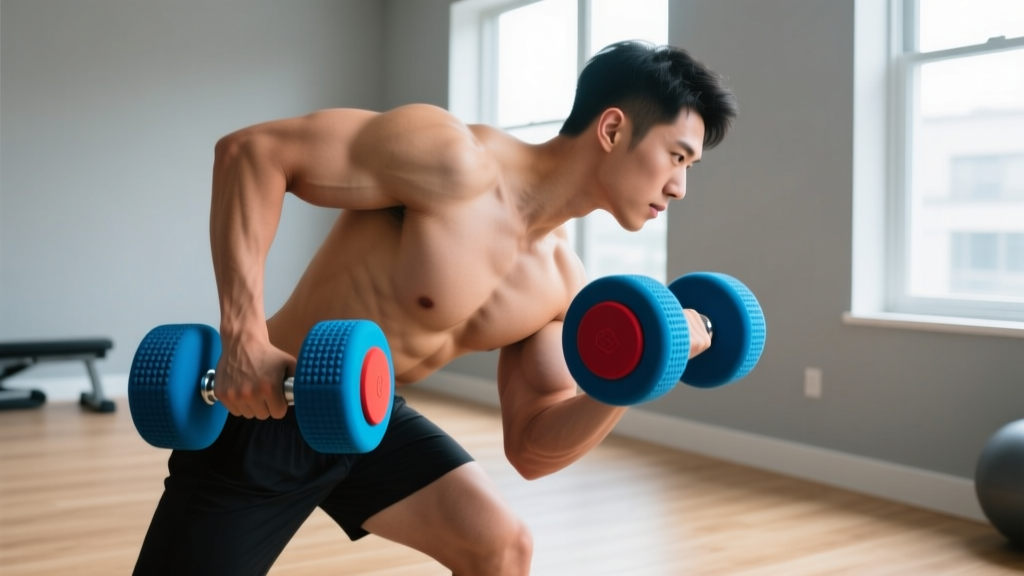
Bumper Plate vs Iron Plate Care: What Survives the Dumbbell High Row?
Discover how bumper plates and iron plates compare in longevity and maintenance, especially when surviving heavy drops from the dumbbell high row.

The Material Science: Virgin Rubber vs. Cast Iron
When outfitting a home gym or commercial facility in 2026, the debate between bumper plates and traditional iron plates extends far beyond aesthetics or price per pound. It is fundamentally a question of material science, impact physics, and long-term maintenance. Bumper plates are manufactured from virgin or recycled rubber, vulcanized around a forged steel center hub. High-quality competition bumpers boast a Shore A durometer rating of 85 to 90, meaning they possess a specific density that allows them to absorb kinetic energy and 'bounce' rather than shatter.
Conversely, cast iron and machined steel plates are rigid. While a premium machined steel plate (like the Eleiko Eclipse series) offers unparalleled calibration accuracy—often within 10 grams of its stated weight—it possesses zero shock absorption. The longevity of your free weights is entirely dictated by how these distinct materials react to repeated stress, environmental factors, and impact forces.
Impact Tolerance and the Dumbbell High Row Factor
To truly understand the maintenance and longevity differences between these two plate types, we must look at how they perform under dynamic, high-fatigue conditions. In functional fitness and metabolic conditioning circuits, the dumbbell high row is frequently programmed in high-volume AMRAPs (As Many Rounds As Possible). Athletes often use loadable dumbbell handles—such as the Rogue Loadable Dumbbell Straps or standard 1-inch spinlock bars—loaded with fractional or standard plates to achieve the desired weight.
When fatigue sets in during a heavy dumbbell high row complex, the equipment is inevitably dropped from waist or chest height to preserve grip strength for the next movement. This specific impact vector highlights a critical divergence in equipment survival:
- The Iron Plate Failure: Dropping a 12-inch diameter cast iron plate from waist height concentrates immense kinetic energy on a small surface area. The enamel or baked-on powder coating will micro-fracture and chip upon impact. Once the bare iron is exposed to ambient humidity, oxidation (rust) begins within 48 hours. Furthermore, the shock transfer can bend the sleeve of your loadable dumbbell handle or crack your garage's concrete subfloor.
- The Bumper Plate Advantage: A 450mm (17.7-inch) virgin rubber bumper plate disperses that exact same drop force across a much larger surface area, utilizing the rubber's elastomeric properties to absorb the shock. However, repeatedly dropping lighter 'technique' bumpers (10lb or 15lb) during high row drops can lead to 'hub tearing,' where the steel insert separates from the rubber casing due to the high leverage-to-weight ratio.
Step-by-Step Maintenance: Bumper Plates
Rubber is a porous, organic-derived polymer that requires specific care to prevent dry rot, UV degradation, and cosmetic blooming. According to Garage Gym Reviews' long-term durability testing, improperly maintained bumpers can lose up to 30% of their structural elasticity within three years.
1. Cleaning Protocols
Never use harsh chemical degreasers, bleach, or petroleum-based solvents like Simple Green on your bumper plates. These chemicals strip the natural oils from the rubber, accelerating dry rot. Instead, use a mild dish soap (like Dawn) mixed with warm water. Wipe down the plates with a microfiber cloth, and immediately dry them to prevent moisture from seeping into the steel hub interface.
2. Addressing 'White Bloom'
Over time, bumper plates develop a white, powdery film. This is not mold; it is 'blooming.' During vulcanization, stearic acid is added to the rubber compound. As the rubber ages and is exposed to UV light, the stearic acid migrates to the surface to protect the polymer from ozone degradation. While harmless, it looks unsightly. To remove it, wipe the plates with a 50/50 mixture of water and white vinegar, followed by a light application of a rubber protectant like 303 Aerospace Protectant.
3. Environmental Storage
UV radiation is the enemy of rubber. Store your bumper plates indoors or in a heavily shaded area. Prolonged exposure to direct sunlight will cause the rubber to become brittle, leading to edge chipping when the plates are dropped.
Step-by-Step Maintenance: Iron & Steel Plates
While iron plates do not suffer from UV degradation, they are highly susceptible to environmental moisture and cosmetic chipping. As noted in BarBend's comprehensive guide on plate materials, cast iron requires a proactive approach to rust prevention, especially in non-climate-controlled garages.
1. Rust Remediation
If your cast iron plates (such as the classic York Legacy series) develop surface rust, do not use a wire wheel on an angle grinder, as this will strip the protective enamel coating entirely. Instead, soak the affected plates in a shallow tub of white vinegar for 12 to 24 hours. The acetic acid will dissolve the iron oxide. Scrub the remaining residue with a stiff nylon brush, rinse thoroughly, and dry immediately.
2. Re-Oiling and Protection
Once bare iron is exposed, it must be sealed. Apply a thin coat of 3-IN-ONE Multi-Purpose Oil or boiled linseed oil using a lint-free rag. Allow it to cure for 24 hours. This creates a hydrophobic barrier that prevents ambient humidity from triggering new oxidation.
3. Hub and Sleeve Maintenance
Machined steel plates feature incredibly tight tolerances. If moisture enters the center hub, the plate can seize onto your barbell or dumbbell sleeve. Once a month, apply a drop of synthetic grease (like Super Lube) to the inner diameter of machined steel plates to ensure smooth loading and unloading.
Cost, Lifespan, and Failure Mode Matrix
Understanding the financial and practical implications of your plate selection is crucial for long-term gym planning. Below is a comparison matrix based on 2026 market averages.
| Feature | Virgin Rubber Bumpers | Cast Iron (Enamel) | Machined Steel |
|---|---|---|---|
| Average Cost (per lb) | $2.80 - $3.50 | $1.50 - $2.20 | $4.00 - $6.00 |
| Drop Rating | High (Excellent) | Low (Poor) | Medium (Fair) |
| Primary Failure Mode | Hub tearing, UV dry rot | Enamel chipping, rust | Hub seizing, edge gouging |
| Maintenance Frequency | Bi-annual (Cleaning/UV spray) | Annual (Oiling/Rust check) | Monthly (Hub lubrication) |
| Expected Lifespan | 5 - 10 Years | 20+ Years (if rust-free) | Lifetime (Generational) |
Expert Verdict: The Hybrid Home Gym Approach
For the dedicated home gym owner, the optimal solution is rarely an 'either/or' scenario. A hybrid approach maximizes both longevity and training versatility. Invest in a set of virgin rubber bumper plates (10lb, 15lb, 25lb, 35lb, 45lb) for all dynamic movements, Olympic lifts, and metabolic conditioning circuits that include heavy drops from exercises like the dumbbell high row or snatches. The bumpers will protect your flooring, your loadable dumbbell handles, and your neighbors' sanity regarding noise pollution.
Simultaneously, maintain a set of calibrated cast iron or machined steel fractional plates (0.5lb, 1.25lb, 2.5lb, 5lb). Iron plates are significantly thinner than their rubber counterparts, allowing you to load maximal weight onto a barbell or heavy dumbbell handle without running out of sleeve space. Because these lighter iron plates are rarely dropped from a height, their susceptibility to chipping and rust is minimized, provided you adhere to the annual oiling maintenance protocol.
Frequently Asked Questions
Can I use iron plates for loadable dumbbells during high rows?
You can, but it is highly discouraged if you plan to drop the dumbbells. The small diameter of 5lb or 10lb iron plates concentrates impact force, which will chip the plates, damage the dumbbell handle's sleeve, and potentially crack concrete flooring. Use rubber-coated grip plates or technique bumpers instead.
Why do my new bumper plates smell terrible?
This is 'off-gassing,' a natural process where volatile organic compounds (VOCs) from the vulcanization process are released. To accelerate this, leave the plates outside in a shaded, well-ventilated area for 5 to 7 days. Wiping them down with a vinegar solution can also help neutralize the odor.
How do I fix a loose steel hub in a bumper plate?
If the steel insert is spinning or pulling out, the structural integrity of the plate is compromised. While some attempt to use marine-grade epoxy to re-seat the hub, this is a temporary fix. For safety reasons, especially during overhead lifts, a bumper plate with a failing hub should be retired immediately.
More gear to consider
All reviews
Beyond the Dumbbell Workout to Lose Belly Fat: Olympic Barbell Guide
Bumper vs Iron Plates: Space for Alternating Dumbbell Hammer Curls
Olympic vs Standard Plates Setup for Your Dumbbell Weekly Routine

Bowflex Dumbbells vs PowerBlock: 2026 Head-to-Head Review

Bumper Plate vs Iron Plate: Upgrading From Pilates with Dumbbells