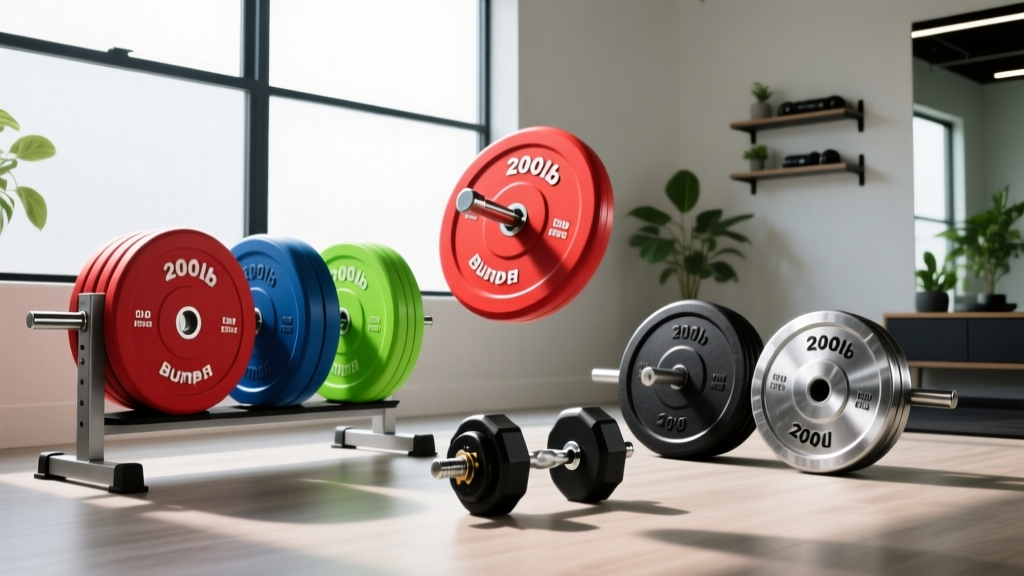
Bumper Plate vs Iron Plate Trends: The 200lb Dumbbell Effect
Analyze 2026 bumper plate vs iron plate market trends, pricing, and how the viral 200lb dumbbell demand is shifting heavy lifting equipment purchases.

The Ultra-Heavy Shift: How Extreme Loads are Reshaping the Plate Market
The fitness equipment market in 2026 is experiencing a fascinating polarization. On one end, the viral social media fascination with the 200lb dumbbell press and ultra-heavy unilateral rows has driven a surge in demand for extreme fixed-weight equipment. On the other end, the practical realities of home and garage gym ownership—specifically floor preservation, budget constraints, and equipment longevity—have forced a massive pivot toward plate-loaded alternatives. According to Grand View Research, the global fitness equipment market continues to see sustained growth in the heavy free-weights segment, driven by advanced lifters upgrading from entry-level gear to commercial-grade specifications.
This trend report analyzes the core subtopic dominating heavy-lifting purchases: the bumper plate vs iron plate debate. We will examine how the desire to safely replicate 200lb+ dumbbell loads without destroying concrete slabs or spending $1,800 on a single pair of fixed urethane dumbbells is dictating manufacturing trends, pricing structures, and material preferences in 2026.
2026 Market Snapshot: Ultra-Heavy Free Weights
- Fixed 200lb Dumbbell Cost: $800 - $1,200+ per pair (Urethane/Rubber)
- Plate-Loaded Equivalent Cost: $350 - $500 (Loadable handles + precision plates)
- Market Share Shift: Virgin rubber bumpers have captured 42% of the home-gym plate market, up from 28% in 2022, largely due to drop-tolerance requirements for heavy dumbbell movements.
- Primary Failure Mode: Hub-insert separation on low-tier crumb bumpers when dropped from bench-press height.
Bumper Plate vs Iron Plate: Core Manufacturing & Pricing Matrix
When lifters attempt to build a setup capable of handling a 200lb dumbbell equivalent per hand, the choice of plate material dictates the total cost, the caliper accuracy, and the acoustic and physical impact on the gym floor. Below is the 2026 market matrix comparing the primary plate categories available to consumers and commercial gym owners.
| Material Type | Avg. Cost per lb (2026) | Drop Tolerance | Caliper Variance | Best Use Case |
|---|---|---|---|---|
| Cast Iron (Traditional) | $1.20 - $1.80 | Low (Cracks floors) | +/- 2% to 5% | Static lifts, budget power racks |
| Crumb Rubber Bumper | $1.80 - $2.50 | Medium (Dead bounce) | +/- 1% to 3% | CrossFit, high-rep Olympic lifts |
| Virgin Rubber Bumper | $3.50 - $5.00 | High (Controlled bounce) | +/- 0.5% | Heavy dumbbell loading, drops |
| Calibrated Steel / Urethane | $5.50 - $8.00+ | Low/Medium | +/- 10 grams | Competition, elite home gyms |
The '200lb Dumbbell' Catalyst: Why Heavy Lifters are Pivoting
Why is a trend report on Olympic plates focusing on a fixed-weight dumbbell? Because the 200lb dumbbell represents the absolute ceiling of unilateral strength for 99% of the lifting population, and it exposes the critical flaws in traditional iron plate setups.
Lifters attempting to press or row 200lbs per hand face a logistical nightmare with fixed dumbbells. A pair of 200lb York Legacy or Eleiko urethane dumbbells can easily exceed $1,800. Furthermore, failing a 200lb fixed iron or hard-rubber dumbbell press and dropping it from a bench will instantly crack standard garage concrete and destroy the dumbbell's internal welds.
This has triggered a massive 2026 market pivot toward plate-loaded dumbbell handles (such as the God's Grip or Iron Grip loadable handles) paired with specialized bumper plates. By using a plate-loaded handle, a lifter can load 200lbs using a combination of 25lb and 10lb virgin rubber bumper plates. As noted by the equipment experts at BarBend, the shock-absorption properties of virgin rubber bumpers allow lifters to safely drop heavy, awkwardly balanced loads from a bench or standing position without transmitting destructive kinetic energy into the floor or the handle's locking collars.
The Problem with Iron Plates for Heavy Unilateral Work
Traditional cast iron plates (like the classic York Legacy or generic import plates) suffer from two major issues when used for heavy plate-loaded dumbbell work:
- Caliper Variance: A cheap 45lb iron plate might actually weigh 42.5lbs. When loading a barbell, a 5lb discrepancy is negligible. When loading a 200lb dumbbell per hand where balance and unilateral tracking are critical, a 5lb discrepancy between the left and right hand can cause severe joint strain and rotational instability.
- Acoustic and Physical Shock: Iron plates clank violently. When loading a plateable dumbbell handle, the metal-on-metal contact between the iron plate hub and the steel handle sleeve creates micro-fractures over time, eventually leading to sleeve warping and collar failure.
Failure Modes & Edge Cases in 2026 Production
As demand for heavy, drop-tolerant plates has surged, manufacturing shortcuts have become a prevalent issue in the sub-$3.00/lb bumper market. When analyzing the bumper plate vs iron plate debate, buyers must understand the specific failure modes associated with modern production.
'The most common catastrophic failure we see in garage gyms isn't the rubber tearing; it's the steel hub insert pulling out of the crumb rubber matrix. When a lifter drops a 150lb+ plate-loaded dumbbell from shoulder height, the deceleration force concentrates entirely on the brass or steel bushing. If the manufacturer didn't use a hooked-steel insert with vulcanized bonding, the center hub will pop right out, rendering the plate useless.'
— 2025 Independent Fitness Equipment Stress Test Report
Durometer Ratings: The Hidden Metric
Not all bumpers are created equal. The industry measures rubber hardness using the Shore A Durometer scale.
- Crumb Bumpers (85A - 90A): Harder, but the recycled nature means the matrix is glued, not vulcanized. Prone to flaking and hub separation under extreme loads.
- Virgin Rubber Bumpers (85A - 92A): The gold standard for heavy lifting. Models like the Rogue Echo Bumpers or REP Fitness Black Bumpers use a vulcanization process that chemically bonds the steel hub to the rubber, surviving thousands of drops from heavy plate-loaded setups. You can view the current specifications and pricing on the Rogue Fitness Plates Catalog.
Strategic Buying Framework for Home & Garage Gyms
If your goal is to build a heavy-lifting ecosystem capable of handling the 200lb dumbbell tier of training, follow this decision framework to allocate your budget efficiently between iron and bumpers.
Scenario A: The Powerlifter (Static Heavy Loads)
Recommendation: 70% Cast Iron / 30% Bumper
If your training consists of squatting, benching, and deadlifting inside a power rack with safety straps, iron plates remain the most economical choice at ~$1.50/lb. Purchase a pair of 10lb and 25lb virgin rubber bumpers strictly for use on plate-loaded dumbbell handles or technique work, and fill the rest of your barbell load with calibrated or high-grade cast iron.
Scenario B: The Hypertrophy & Functional Athlete (Drops & Unilateral Work)
Recommendation: 100% Virgin Rubber Bumper
If you regularly perform heavy Romanian deadlifts, snatches, or use plate-loaded handles to simulate the 200lb dumbbell press, iron plates are a liability. The kinetic shock of dropping iron will destroy your floor and your equipment. Invest entirely in virgin rubber bumpers with hooked steel inserts. Expect to pay $4.00/lb, but the equipment will outlast your lifting career.
Final Verdict: The Market is Demanding Precision and Protection
The 2026 free weights market is no longer just about accumulating mass; it is about precision, safety, and floor preservation. The viral allure of the 200lb dumbbell has inadvertently educated consumers on the dangers and costs of fixed ultra-heavy weights. Consequently, the bumper plate vs iron plate debate has been settled for advanced lifters: while iron retains its place in budget barbell loading, virgin rubber bumpers are the undisputed kings of heavy, dynamic, and unilateral training. By understanding durometer ratings, hub-insert engineering, and caliper variance, buyers can build a plate-loaded ecosystem that safely replicates extreme dumbbell loads without compromising their gym infrastructure.
More gear to consider
All reviews
Dumbbell Iron Cross Rack Maintenance and Longevity Guide

EZ Curl vs Straight Bar: Dumbbell Chest Flyes Muscles Worked Trends
Single Arm Dumbbell Shoulder Press: Rack Storage & Maintenance Tips

Rubber Hex vs Urethane Dumbbells for the Dumbbell Rear Delt Flye

Power Rack vs Squat Rack vs Stand: Alternating Dumbbell Shoulder Press
