Beyond Your Bowflex Dumbbells Workout: Barbell Collar Types Compared
Transitioning from a Bowflex dumbbells workout to barbell training? Compare spring, lock-jaw, and clamp collars to keep your plates secure and lifting safe.

The Transition: From Adjustable Dumbbells to the Barbell
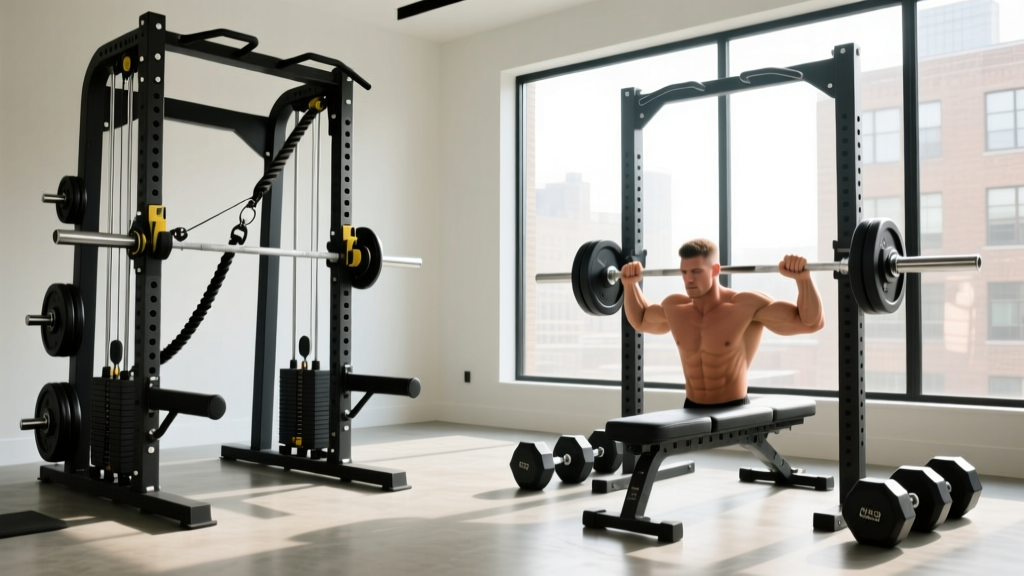
If you have been building your foundation with a Bowflex dumbbells workout routine using adjustable models like the SelectTech 552 or 1090, you have already developed crucial baseline strength and stability. However, as your progressive overload demands heavier loads, transitioning to a standard Olympic barbell becomes inevitable. When you make this leap, you quickly encounter a piece of equipment that rarely gets the attention it deserves: the barbell collar.
Unlike the self-contained dials of your adjustable dumbbells, a barbell requires manual securing of weight plates. Failing to use the right collar—or using the wrong type for your specific training style—can lead to uneven weight distribution, rotational torque, and catastrophic plate shifts mid-lift. In this step-by-step beginner's guide, we break down the exact types of barbell collars available in 2026, their specific failure modes, and how to choose the right one for your home gym.
The Physics of Plate Shift
When a 45 lb (20 kg) bumper plate shifts just half an inch outward on a 50mm Olympic sleeve during a heavy squat, it alters the barbell's center of mass. This creates asymmetric rotational torque. According to biomechanical analyses of barbell kinematics, an unbalanced bar forces your stabilizing muscles to overcompensate, increasing shear stress on the lumbar spine and shoulder joints. A proper collar eliminates this variable entirely.
The 4 Main Types of Barbell Collars
Not all collars are created equal. The market is currently dominated by four distinct mechanisms, each engineered for different training modalities. Let us explore the exact specifications, pricing, and ideal use cases for each.
1. Standard Spring Clips (The Beginner Default)
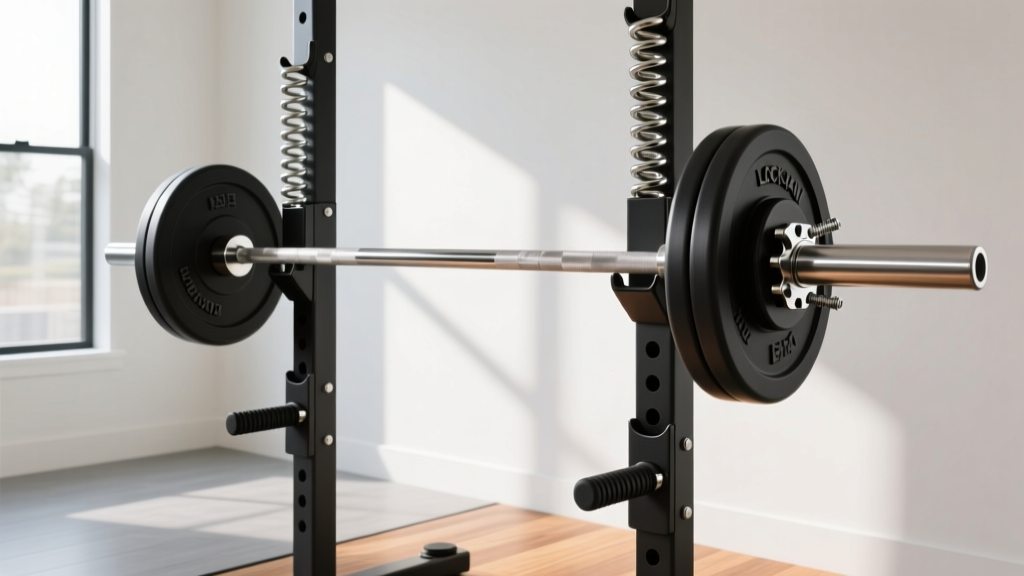
Often included for free with entry-level barbell purchases, spring clips utilize steel tension to grip the sleeve. You squeeze the handles to expand the coil, slide it onto the bar, and release.
- Material: Zinc-plated carbon steel.
- Average Cost: $5 to $12 per pair.
- Best For: Light isolation movements, strict curling, and beginners on a tight budget.
- The Catch: Spring tension degrades over time. By 2026, most commercial gyms have phased these out for heavy compound lifts because they routinely slip during dynamic movements like the clean and jerk.
2. Lock-Jaw and Polymer Clamp Collars (The Modern Standard)
These collars use a hard plastic or polymer shell with an internal rubberized grip and a lever-action locking mechanism. The BarBend comprehensive barbell collar guide consistently rates high-quality polymer clamps as the best all-around choice for home gym owners due to their balance of speed, security, and price.
- Material: ABS plastic or glass-filled nylon (like the premium QVOG models) with TPU inner linings.
- Average Cost: $25 to $45 per pair.
- Best For: Powerlifting, CrossFit, and general strength training where you need to change plates quickly between supersets.
- The Catch: Cheaper ABS models can crack if dropped repeatedly from overhead. Look for glass-filled nylon for drop-rated durability.
3. Competition Spin-Lock Clamps (The Olympic Standard)
If you watch Olympic weightlifting, you will see these massive metal clamps. They slide onto the sleeve and are secured by tightening a threaded metal screw or lever that bites into the steel bar. According to USA Weightlifting and international federation rules, competition collars must weigh exactly 2.5 kg (5.5 lbs) each and are factored into the total barbell weight.
- Material: Machined aluminum or chromed steel with brass locking screws.
- Average Cost: $80 to $120+ per pair (e.g., Eleiko Olympic Weightlifting Collars).
- Best For: Competitive Olympic weightlifters and dedicated powerlifters who need absolute zero-slip assurance on maximal attempts.
- The Catch: They are heavy, slow to put on, and the metal screws can scratch and ruin the zinc or cerakote finish on your expensive Olympic barbell sleeves over time.
4. Lever-Action Metal Clamps (The Vintage Powerlifter)
Models like the Rogue Fitness HG 2.0 Collars represent the pinnacle of this category. They feature a machined aluminum body with a heavy-duty cam lever that presses a steel pad against the barbell sleeve.
- Material: Aircraft-grade aluminum with steel cam mechanisms.
- Average Cost: $40 to $55 per pair.
- Best For: Heavy squats, deadlifts, and bench presses where maximum lateral clamping force is required without the slow threading of competition collars.
- The Catch: The lever requires significant hand strength to lock and unlock, which can be frustrating during high-intensity interval training where every second counts.
Comparison Matrix: Which Collar Fits Your Training?
| Collar Type | Clamping Force | Change Speed | Barbell Protection | Ideal Modality |
|---|---|---|---|---|
| Spring Clip | Low | Fast | High (No scratching) | Isolation / Rehab |
| Polymer Clamp | Medium-High | Very Fast | High (Rubber lined) | CrossFit / Hypertrophy |
| Lever-Action Metal | Very High | Medium | Medium (Steel pad) | Powerlifting / Strongman |
| Competition Spin-Lock | Maximum | Slow | Low (Metal bites bar) | Olympic Weightlifting |
Step-by-Step Selection Guide for Beginners
If you are stepping away from your Bowflex dumbbells workout and buying your first dedicated barbell collar setup, follow this decision framework to avoid wasting money on gear that does not match your routine.
- Assess Your Primary Lifts: If your routine consists mostly of slow, controlled powerlifting movements (Squat, Bench, Deadlift), prioritize clamping force over speed. Invest in lever-action metal clamps like the Rogue HG 2.0.
- Evaluate Your Pacing: If you do supersets, drop sets, or metabolic conditioning where you strip and load plates every 60 seconds, polymer clamp collars (like Lock-Jaw Pro) are mandatory. The two-second lock time will save your workout flow.
- Check Your Barbell Finish: If you just spent $400 on a Cerakote or hard-chrome Olympic bar, avoid competition spin-lock collars. The metal-on-metal threading will gouge your sleeves. Stick to rubber-lined polymer or aluminum lever clamps.
- Verify Sleeve Diameter: Ensure you are buying 50mm (2-inch) Olympic collars. Standard 25mm (1-inch) collars are meant for cheap, hollow-core beginner bars and will not fit a proper Olympic barbell.
Real-World Failure Modes and Edge Cases
Understanding how equipment fails is the hallmark of an experienced lifter. Here are the most common edge cases to watch out for in 2026:
Warning: The 'Drop-Test' Polymer Failure
Many budget polymer collars sold on massive online marketplaces use brittle, recycled ABS plastic. When dropped from overhead during a missed snatch or jerk, the hinge mechanism snaps instantly. Always verify that the collar uses glass-filled nylon or high-impact TPU blends if you plan on doing Olympic lifts or dropping the bar from shoulder height.
The Dust and Chalk Accumulation Issue: Lever-action metal clamps rely on a tight mechanical tolerance. If you use heavy liquid chalk or loose magnesium carbonate in your garage gym, chalk dust will infiltrate the cam mechanism within six months, causing the lever to stick or fail to apply full pressure. Maintenance Tip: Blow out your metal clamps with compressed air once a month and apply a single drop of dry PTFE lubricant to the hinge pin.
Frequently Asked Questions
Do I need collars if I am only bench pressing?
Yes. While the barbell moves horizontally, an uneven grip or a slight shift in your wrist angle can cause plates to slide outward. If one side shifts just an inch, the bar will tilt, potentially dumping the plates off the opposite end entirely. Always use collars, even for the bench press.
Can I use my adjustable dumbbell collars on a barbell?
No. Adjustable dumbbells (like Bowflex or PowerBlock) use proprietary micro-plates and specialized locking pins or dials that are entirely incompatible with the 50mm smooth steel sleeves of an Olympic barbell. You must purchase dedicated barbell collars.
How tight should a polymer clamp be?
When you push the lever down, it should require a firm, deliberate push for the last 15 degrees of the arc. If it snaps down effortlessly with two fingers, the collar is too loose and will slide under heavy eccentric loads. If you cannot push it down without putting your entire body weight on it, it is too tight and will warp the plastic housing over time.
Final Thoughts on Securing Your Lifts
Moving from a dial-adjusted dumbbell system to raw iron plates is a rite of passage in strength training. By selecting the correct barbell collar for your specific training style, you ensure that the only thing you are fighting is gravity—not shifting metal. Invest in a quality pair of clamps today, and your barbell will remain as secure and predictable as the equipment you started with.
More gear to consider
All reviews
How to Lift Dumbbells: Beginner Form Guide & Adjustable Reviews

Cast Iron vs Competition Kettlebells & Dumbbell Flyes Floor 2026

EZ Curl Bar vs Straight Bar: Good Upper Body Workouts with Dumbbells

Stop Punching With Dumbbells: Rubber Hex vs Urethane Maintenance

Olympic vs Standard Plates: Setup for Squats & Dumbbell Goblet Squats