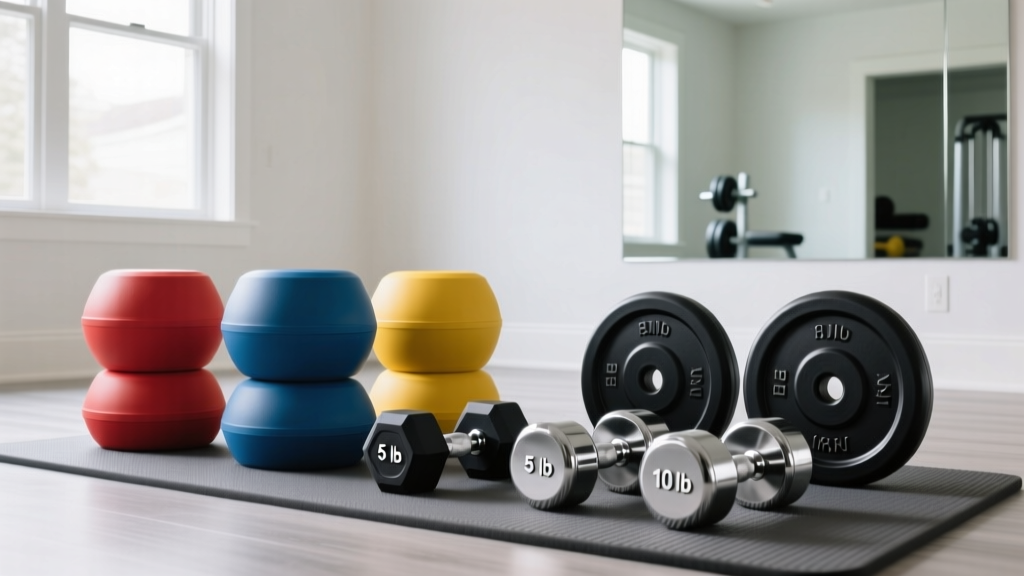
Cast Iron vs Competition Kettlebells & Black Hex Dumbbells Care
Explore our 2026 kettlebell buying guide comparing cast iron vs competition styles, plus expert maintenance tips to protect your black hex dumbbells.

The Free Weight Longevity Blueprint: Selection and Upkeep
Building a commercial-grade home gym requires more than just purchasing heavy objects; it demands strategic selection and rigorous maintenance. As of 2026, the fitness equipment market has stabilized, but the influx of budget-tier imports means buyers must be more vigilant than ever about material quality. Whether you are navigating a kettlebell buying guide comparing cast iron vs competitionblack hex dumbbells, understanding the metallurgy and polymer science behind your gear is the key to a lifetime of use.
This comprehensive guide breaks down the functional differences between kettlebell styles to help you invest wisely, followed by an advanced maintenance protocol designed to prevent the most common failure modes in rubber-coated and enameled free weights.
The Kettlebell Dilemma: Cast Iron vs. Competition
Choosing the right kettlebell is foundational to your training longevity. The two dominant categories—cast iron and competition—serve vastly different biomechanical and environmental needs. According to equipment standards outlined by Kettlebell Kings Competition Line, the physical dimensions of the bell dictate how it interacts with your forearm during high-repetition ballistic movements.
Cast Iron Kettlebells: The Home Gym Workhorse
Cast iron bells are the traditional choice. Their primary advantage is cost-efficiency and handle thickness variety. However, because they are poured into molds that scale with weight, a 12kg cast iron bell is physically much smaller than a 32kg bell. This means your grip mechanics and rack position will change as you increase weight. Furthermore, the handles on cast iron models tend to be thicker (often 32mm to 35mm), which can accelerate forearm fatigue during snatches but is excellent for grip-strength conditioning.
- Best For: General strength, slow grinds (presses, squats), and grip training.
- 2026 Pricing Trend: $1.50 to $2.20 per pound.
- Longevity Factor: Highly durable, but prone to surface rust if the powder coat chips and humidity exceeds 60%.
Competition Kettlebells: Precision and Consistency
Competition kettlebells are manufactured to strict International Union of Kettlebell Lifting (IUKL) specifications. Regardless of whether you are holding an 8kg or a 48kg bell, the dimensions remain identical: typically 280mm in height and 210mm in width, with a standardized 33mm handle diameter. This uniformity ensures that your technique and forearm placement never need to adapt when changing weights. The bases are also perfectly flat, making them vastly superior for renegade rows and handstand push-up parallettes.
- Best For: High-rep ballistic cycles (snatches, jerks), complex flows, and technical consistency.
- 2026 Pricing Trend: $3.50 to $4.80 per pound.
- Longevity Factor: The hollow shell construction (often filled with steel shot or fragments) can dent if dropped on concrete, but the premium paint jobs resist chipping better than budget cast iron.
Comparison Matrix: Making the Investment
| Feature | Cast Iron Kettlebell | Competition Kettlebell |
|---|---|---|
| Dimensions | Varies by weight | Uniform (280mm x 210mm) |
| Handle Diameter | 32mm - 35mm (thicker) | 33mm (standardized) |
| Base Flatness | Slightly rounded/variable | Perfectly flat for floor work |
| Surface Finish | E-Coat or Powder Coat | Multi-layer automotive paint |
| Drop Tolerance | High (solid iron) | Moderate (hollow shell dent risk) |
For a complete look at traditional bell specs and coatings, the Rogue Fitness Cast Iron Kettlebells catalog remains the industry benchmark for e-coat durability.
Preserving Your Core Arsenal: Black Hex Dumbbells Maintenance
While kettlebells dominate ballistic training, black hex dumbbells remain the undisputed kings of hypertrophy and isolation work. The "hex" design prevents rolling, and the black finish—whether rubber-coated or enameled cast iron—looks sleek and protects the floor. However, these dumbbells are highly susceptible to environmental degradation and improper cleaning.
The Polymer Threat: Caring for Rubber-Coated Hex Dumbbells
Most modern black hex dumbbells feature a virgin rubber or SBR (Styrene Butadiene Rubber) coating. The most common failure mode for these is not physical tearing, but chemical drying and UV degradation. When the rubber dries out, it turns gray, becomes brittle, and eventually flakes off, leaving a messy, unbalanced weight.
⚠️ CRITICAL WARNING: The Ammonia ThreatNever use glass cleaners, bleach, or ammonia-based solutions on your black hex dumbbells. Ammonia accelerates the vulcanization breakdown in rubber polymers, causing them to dry out and crack. Stick strictly to pH-neutral cleaners.
Step-by-Step Restoration and Protection Protocol
To extend the lifespan of your rubber hex dumbbells by a decade or more, implement this bi-monthly maintenance routine:
- Dust and Chalk Removal: Use a dry nylon-bristle brush to scrub the knurled steel handles and the crevices where the rubber meets the metal. Wire brushes will destroy the zinc or chrome plating on the handles.
- Deep Clean the Rubber: Mix three drops of pH-neutral dish soap (like Dawn) into a spray bottle of warm water. Mist the rubber heads and wipe vigorously with a microfiber cloth. Do not soak the dumbbell; water seeping into the metal-rubber seam causes internal rust jacking, which splits the rubber from the inside out.
- UV and Ozone Protection: Once dry, apply a light coat of 303 Aerospace Protectant to the rubber heads. This formula blocks UV rays and prevents ozone cracking without leaving a greasy residue that could transfer to your hands during lifts.
- Handle Lubrication: If your hex dumbbells have bare steel or lightly chromed handles, wipe them down with a rag lightly dampened with 3-in-One oil or specialized barbell oil to prevent oxidation from sweat salts.
Maintaining Enameled Cast Iron Hex Dumbbells
If your black hex dumbbells are solid cast iron with a black enamel or urethane paint job (such as the classic Rogue Rubber Hex Dumbbells or traditional urethane variants), your primary enemy is impact chipping. Urethane is vastly superior to rubber for longevity—it does not degrade from UV light, does not off-gas odors, and resists scratching. However, when urethane chips, the exposed iron will flash-rust within 48 hours in a humid environment. Touch up any chips immediately with a rust-inhibiting black enamel paint pen to seal the iron from moisture.
Environmental Controls and Storage Solutions
The longevity of both your kettlebells and black hex dumbbells is heavily dictated by your gym's microclimate and storage infrastructure.
Climate Metrics for Free Weight Preservation
"Steel and rubber react inversely to extreme conditions. High humidity oxidizes bare steel handles, while low humidity and high UV exposure shatter rubber coatings. Controlling the ambient environment is the cheapest form of equipment maintenance."
- Target Humidity: Maintain between 40% and 55%. Below 35%, rubber hex coatings begin to desiccate. Above 65%, cast iron kettlebells and dumbbell handles will develop surface rust, even through microscopic pores in powder coatings.
- Temperature: Keep the space between 60°F and 75°F. Extreme cold makes rubber brittle and prone to cracking if dropped.
- UV Exposure: Never store black hex dumbbells in direct sunlight. UV radiation breaks down the carbon bonds in synthetic rubber, leading to irreversible dry rot.
Proper Storage to Prevent Micro-Damage
How you store your gear dictates its lifespan. Tossing kettlebells or dumbbells onto the floor causes micro-fractures in the floorboards and chips the paint on competition bells. Invest in a tiered A-frame dumbbell rack with rubber-lined saddles. For kettlebells, use a dedicated horizontal rack with wide, UHMW (Ultra-High-Molecular-Weight) polyethylene cradles. UHMW plastic is softer than steel and paint, ensuring that when you slide a heavy competition kettlebell into place, it does not scrape the color-coded finish off the sides.
Final Thoughts on Gear Investment
Whether you opt for the standardized precision of competition kettlebells or the rugged affordability of cast iron, your selection should align with your specific training modalities. Similarly, treating your black hex dumbbells not just as tools, but as precision instruments requiring specific chemical and environmental care, will ensure they outlast your fitness journey. By implementing these targeted maintenance routines, you protect your financial investment and guarantee that your gear performs flawlessly for decades to come.
More gear to consider
All reviews
Single Arm Dumbbell Shoulder Press: Rack Storage & Maintenance Tips

Dumbbell Bulgarian Split Squat Trends: Rubber Hex vs Urethane 2026

What Does Dumbbell Fly Work? Barbell Collars & Clamps Compared
Space-Saving Gym Layouts: Bent-Over Dumbbell Rows, EZ vs Straight Bar
Rubber Hex vs Urethane: Care Tips for Your 5 Minute Dumbbell Workout