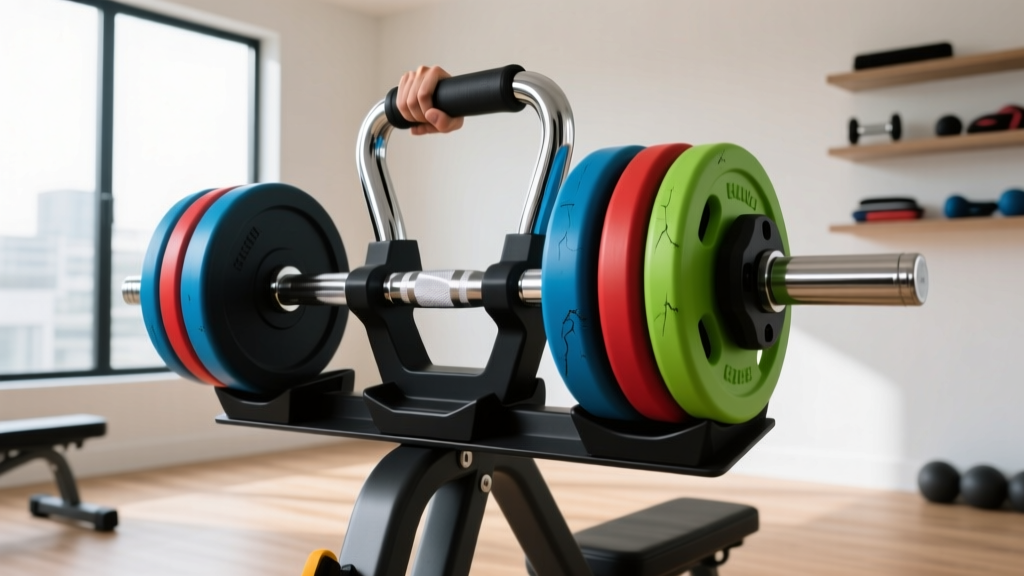
Beyond a 5 Pound Dumbbell Workout: Olympic vs Standard Plates
Transition from a 5 pound dumbbell workout to heavy barbell lifting. This step-by-step guide compares Olympic vs standard weight plates for beginners.

The Beginner's Progression Roadmap: From Light Dumbbells to Heavy Iron
Every successful strength journey begins with mastering the basics. A well-structured 5 pound dumbbell workout is an exceptional starting point for neuromuscular adaptation, teaching your body the motor patterns of lateral raises, triceps extensions, and goblet squats without overloading vulnerable connective tissues. However, human physiology adapts rapidly. According to the principles of progressive overload documented by the Mayo Clinic, muscles require incrementally increasing resistance to continue growing stronger and denser.
Within 4 to 6 weeks, that 5 pound dumbbell workout will no longer provide enough mechanical tension to stimulate compound muscle growth. You will need to transition to barbells. But stepping into the barbell world introduces a critical, often confusing purchasing decision: Which weight plate ecosystem should you buy into?
This step-by-step guide will walk you through the exact differences between Standard and Olympic weight plates, helping you avoid expensive beginner mistakes and build a home gym that will last a lifetime.
Step 1: Understand the Core Mechanical Difference
The entire debate between Standard and Olympic equipment boils down to a single measurement: the diameter of the hole in the center of the weight plate, which dictates the sleeve diameter of the barbell it slides onto.
- Standard Plates: Feature a 1-inch (25.4mm) center hole. They are designed for lightweight, entry-level barbells and dumbbell handles.
- Olympic Plates: Feature a 2-inch (50mm) center hole. They are engineered to fit the heavy-duty, rotating-sleeve barbells used in commercial gyms and sanctioned powerlifting meets.
⚠️ Critical Safety Warning for Beginners
Never attempt to force a Standard (1-inch) plate onto an Olympic (2-inch) bar, and never use adapter washers to put Olympic plates on a Standard bar. The structural integrity of the barbell sleeve relies on exact tolerances. Mismatched gear is a leading cause of collars slipping mid-lift, resulting in severe crush injuries.
Step 2: Evaluating Standard Weight Plates (The Budget Trap)
Walk into any big-box sporting goods store, and you will see Standard cast-iron plates stacked on pallets. They are undeniably cheap, often priced between $1.00 and $1.30 per pound in 2026. For a beginner fresh off a 5 pound dumbbell workout, a 100-pound Standard set seems like a steal. However, this ecosystem has severe limitations.
The Failure Modes of Standard Gear
- Barbell Whipping and Bending: Standard barbells are typically made of lower-yield-strength steel. Once you load a standard bar past 200 pounds, the metal will physically bend. Over time, it takes a permanent "set," meaning your barbell will never roll straight again.
- Sleeve Shearing: Standard bars rarely have rotating sleeves. When you perform dynamic movements like power cleans or even heavy bent-over rows, the torque transfers directly into the steel shaft, increasing the risk of the sleeve snapping off at the weld point.
- Friction-Based Collars: Standard plates rely on cheap spring-clip collars. As plates vibrate during a lift, these clips slowly slide outward, creating a dangerous imbalance.
Step 3: Investing in Olympic Weight Plates (The Gold Standard)
Olympic plates are the universal language of serious strength training. The International Weightlifting Federation (IWF) strictly mandates 50mm sleeve tolerances for all sanctioned competition gear, ensuring that an Olympic plate bought today will fit an Olympic barbell bought twenty years from now.
Types of Olympic Plates
When upgrading from light dumbbells, you will encounter two main types of Olympic plates:
- Cast Iron / Steel Plates: Usually painted or coated in zinc/urethane. They are thin, allowing you to load more weight on the bar. Ideal for powerlifting (squats, bench, deadlifts). Expect to pay $1.50 to $2.20 per pound.
- Bumper Plates: Made of dense virgin or recycled rubber with a steel insert. They all share the same 450mm (17.7-inch) diameter regardless of weight, meaning you can safely drop them from overhead without destroying your floor or the barbell. Ideal for Olympic lifting and CrossFit. Expect to pay $2.00 to $3.50 per pound.
Step 4: Head-to-Head Comparison Matrix
Use this data table to make an informed purchasing decision based on your specific training goals and budget constraints.
| Feature | Standard Plates (1-Inch) | Olympic Plates (2-Inch) |
|---|---|---|
| Center Hole | 1 inch (25.4mm) | 2 inches (50mm) |
| Avg. Bar Weight | 12 to 20 lbs | 35 lbs (15kg) or 44 lbs (20kg) |
| Max Safe Capacity | ~200 lbs (before bending) | 700 to 1,500+ lbs |
| Collar Type | Spring clips (High slip risk) | Lock-jaw clamps or competition clips |
| 2026 Price Per Pound | $1.00 - $1.30 / lb | $1.50 - $3.50 / lb |
| Resale Value | Very Low (Hard to sell) | High (Holds 70-80% of value) |
Step 5: Your Step-by-Step Upgrade Blueprint
Transitioning from a 5 pound dumbbell workout to a barbell routine requires a strategic approach to purchasing. Do not buy a massive 300-pound plate set on day one. Follow this exact blueprint to manage your budget while ensuring safety.
Phase 1: Buy the Olympic Barbell First
The barbell is the most important piece of equipment. Purchase a 7-foot, 20kg (44 lb) Olympic barbell with a tensile strength of at least 190,000 PSI. Brands like Rep Fitness (The Excalibur) or Rogue (The Ohio Bar) offer lifetime warranties against bending. Expect to spend between $250 and $320.
Phase 2: Acquire a "Starter" Olympic Plate Set
Buy a basic cast-iron Olympic set to learn the big three lifts (Squat, Bench Press, Deadlift). A standard starter configuration includes:
- Two 45-lb plates
- Two 25-lb plates
- Two 10-lb plates
- Four 5-lb plates
This gives you 240 pounds of working weight (plus the 44-lb bar), which is more than enough for a beginner's first year of progressive overload.
Phase 3: Bridge the Gap with Fractional Plates
When you were doing a 5 pound dumbbell workout, jumping from 5 lbs to 10 lbs represented a massive 100% increase in load. In barbell training, upper-body lifts like the overhead press stall quickly if you try to add 5 or 10 pounds at a time. Invest in a set of fractional change plates (0.25 lb, 0.5 lb, 0.75 lb, and 1.25 lb). These micro-plates allow you to add just 0.5 lbs to the bar per week, keeping your linear progression alive for months longer.
"The secret to long-term strength gains isn't making massive jumps in weight; it's making micro-jumps consistently. Fractional Olympic plates are the most underutilized tool for beginners transitioning from light dumbbells to heavy barbells."
— FitGearPulse Equipment Testing Team, 2026 Review
Final Thoughts: Buy Once, Cry Once
While the upfront cost of Olympic plates is higher than standard gear, it is a one-time investment in your physical longevity. Standard plates and bars will eventually fail, bend, or become obsolete as your strength surpasses their engineering limits. By choosing the Olympic ecosystem, you are future-proofing your home gym. You can start with the humble mechanics learned in your 5 pound dumbbell workout, and safely scale all the way to a 500-pound deadlift without ever needing to replace your foundational weight plates.
More gear to consider
All reviews
Barbell Collar Types & Incline Dumbbell Press Weight Setup

What Does Dumbbell Fly Work? Barbell Collars & Clamps Compared

EZ Curl Bar vs Straight Bar: Budgeting for Bigger Dumbbell Arms

Budget Loadable Dumbbells for Your Three Day Dumbbell Workout

Standard vs Olympic Plates & The Thomas Inch Dumbbell Diameter