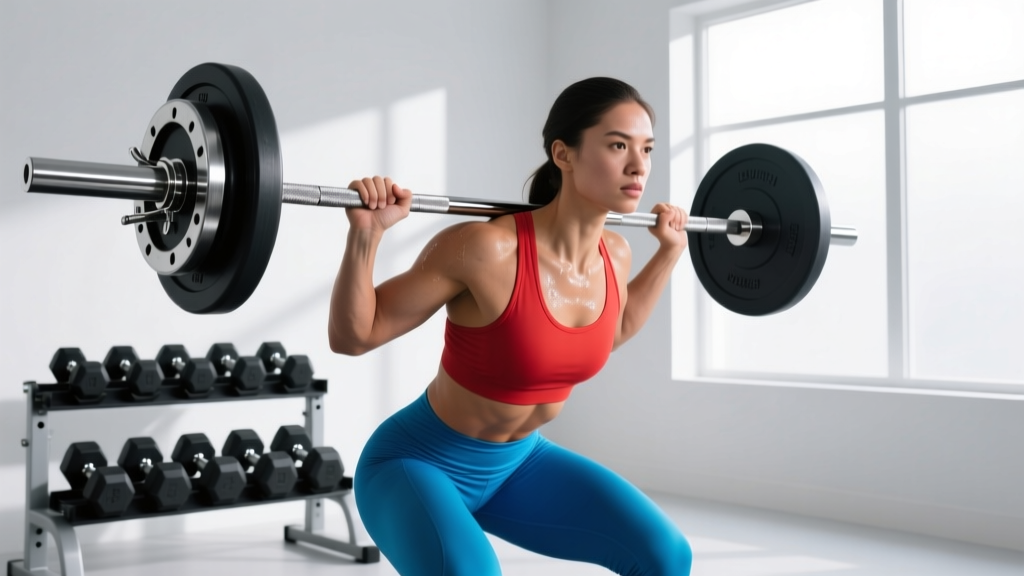
Best At Home Dumbbell Workouts & 2026 Adjustable Gear Guide
Discover the best at home dumbbell workouts for beginners and compare top 2026 adjustable dumbbells like Nuobell, Bowflex, and PowerBlock.

Building a home gym in 2026 no longer requires dedicating an entire two-car garage to iron. For beginners looking to build foundational strength, adjustable dumbbells are the undisputed king of space-saving efficiency. However, executing the best at home dumbbell workouts requires more than just good intentions; it requires selecting the right equipment that matches your biomechanics, budget, and training style.
This step-by-step guide will walk you through choosing the ideal adjustable dumbbell set, understanding their unique mechanical quirks, and executing a beginner-friendly full-body protocol designed to maximize muscle hypertrophy and functional strength.
Step 1: Selecting Your 2026 Adjustable Dumbbell Set
Not all adjustable dumbbells are created equal. The market is currently dominated by three distinct mechanisms: twist-dial, dual-dial, and pin-selector. Choosing the wrong mechanism can lead to frustration, restricted range of motion, or even equipment failure. Below is a comparative matrix of the top contenders for home use this year.
| Model (2026 Editions) | Mechanism Type | Approx. Price (Pair) | Handle & Dimensions |
|---|---|---|---|
| Nuobell 80lb | Twist-Dial (Handle) | $329 - $349 | 1.35" knurled steel; 16.5" max length |
| Bowflex SelectTech 552 | Dual-Dial (Ends) | $399 - $429 | 1.5" smooth steel; 16.9" fixed length |
| PowerBlock Elite EXP | Pin-Selector (Cage) | $339 - $359 | Caged grip; 12" to 14" variable length |
Deep Dive: The Nuobell vs. Bowflex Dilemma
The Nuobell 80lb set is widely considered the gold standard for traditionalists. By twisting the knurled handle, an internal gear rack engages the weight plates. The major advantage here is the 1.35-inch handle diameter and the fact that the physical length of the dumbbell shrinks as you lower the weight, perfectly mimicking a fixed hex dumbbell.
Conversely, the Bowflex SelectTech 552 uses a dual-dial system at both ends. While it offers micro-increments (2.5 lbs up to 25 lbs), the dumbbell remains a bulky 16.9 inches long even when set to just 5 lbs. This can interfere with exercises like dumbbell curls or lateral raises, where the oversized ends might bump into your torso or thighs.
Step 2: Mastering Mechanics and Avoiding Failure Modes
Adjustable dumbbells are precision instruments, not solid cast iron. Understanding their failure modes is critical for safety and longevity. According to physical therapists and strength coaches, improper handling of adjustable gear is a leading cause of home gym injuries and voided warranties.
⚠️ CRITICAL WARNING: The 'Drop' RuleNever drop adjustable dumbbells from shoulder or overhead height. The internal plastic gears in dial-based systems (like Bowflex and Nuobell) will strip upon impact, permanently jamming the weight selector. If you are doing heavy drop sets or high-fatigue finishers where dropping the weight is a safety necessity, you must use solid cast-iron hex dumbbells or the steel-caged PowerBlocks, which can withstand moderate drops.
Furthermore, the PowerBlock Elite EXP features a caged, rectangular design. While virtually indestructible compared to dial systems, the cage restricts wrist extension. This makes movements like the goblet squat or dumbbell push press feel slightly awkward until you adapt your grip. Always test your wrist mobility with the cage before committing to a full set.
'Consistency in resistance training is the primary driver of musculoskeletal health. Home equipment that reduces friction to working out—like space-saving adjustable dumbbells—significantly improves long-term adherence to strength protocols.' — Mayo Clinic, Strength Training Guidelines
Step 3: The Best At Home Dumbbell Workouts Protocol
Now that your gear is selected and secured, it is time to train. This beginner-friendly, full-body routine is designed to be performed 3 days a week (e.g., Monday, Wednesday, Friday). It focuses on fundamental movement patterns: Squat, Hinge, Push, and Pull.
1. The Goblet Squat (Lower Body Push)
- Sets/Reps: 3 sets of 10-12 reps
- Gear Note: Use the Nuobell or Bowflex for this. Hold a single dumbbell vertically against your chest. If using PowerBlocks, grip the inner handle or the side rails to avoid the cage pressing into your collarbone.
- Execution: Keep your chest proud, brace your core, and descend until your elbows touch your inner thighs. Drive through your mid-foot to stand.
2. Dumbbell Floor Press (Upper Body Push)
- Sets/Reps: 3 sets of 8-10 reps
- Gear Note: The floor press is superior to the bench press for beginners training at home because the floor acts as a physical stop, preventing shoulder over-extension and eliminating the need for a spotter.
- Execution: Lie on your back, knees bent. Press the dumbbells up, squeezing your chest. Lower slowly until your triceps rest gently on the floor, pause for 1 second, and press.
3. Single-Arm Dumbbell Row (Upper Body Pull)
- Sets/Reps: 3 sets of 10-12 reps per arm
- Execution: Hinge at the hips, placing your non-working hand on a sturdy chair or sofa. Pull the dumbbell toward your hip pocket, not your armpit. This targets the latissimus dorsi and corrects left-to-right strength imbalances.
4. Romanian Deadlift / RDL (Lower Body Hinge)
- Sets/Reps: 3 sets of 10 reps
- Execution: Hold a dumbbell in each hand in front of your thighs. Push your hips backward as if closing a car door with your glutes. Keep a slight bend in the knees but do not squat. Lower the weights only until you feel a deep stretch in your hamstrings (usually just below the knee), then squeeze the glutes to return to standing.
Step 4: Progressive Overload & Long-Term Maintenance
To continue seeing results, you must apply progressive overload. Research published by Harvard Health emphasizes that muscles only adapt when subjected to gradually increasing demands. With adjustable dumbbells, this is effortless.
- Week 1-2 (Form Focus): Select a weight that leaves you with 3 reps in reserve (RIR) at the end of every set. Focus purely on the tempo (2 seconds down, 1 second up).
- Week 3-4 (Volume Increase): Keep the weight the same, but add 1-2 reps to every set. If the target was 10 reps, aim for 12.
- Week 5+ (Intensity Jump): Once you can comfortably hit the top of the rep range (e.g., 12 reps on the Goblet Squat) with perfect form, use the dial or pin mechanism to increase the weight by 5 lbs and drop back down to 8 reps.
Maintenance Checklist for Adjustable Gear
To ensure your 2026 investment lasts a decade, follow these strict maintenance rules:
- Wipe Down Handles: Sweat contains salt, which will corrode the steel guide rods on Nuobell and Bowflex sets. Wipe them with a dry microfiber cloth after every session.
- Never Adjust While Airborne: Only change the weight dials or pins while the dumbbells are fully seated in their storage cradles. Adjusting them mid-air can misalign the internal weight plates.
- Check the Tray Seating: Ensure the dumbbell is perfectly flush in the tray before turning the dial. An angled seat will cause the selector gear to bind and snap.
Final Verdict for the Home Gym Beginner
Executing the best at home dumbbell workouts is entirely dependent on removing friction from your routine. If you prioritize the feel of traditional iron and have a strict no-drop rule, the Nuobell 80lb set is the most ergonomic choice for 2026. If you are a heavier lifter who tends to drop weights during exhausting sets, the PowerBlock Elite EXP is virtually indestructible and worth the slight grip compromise. Pair your chosen gear with the full-body protocol above, and you will build a resilient, functional physique without ever leaving your living room.
More gear to consider
All reviews
Loadable Dumbbells vs Finger Dumbbells: Budget Breakdown
Bumper vs Iron: 2026 Trends & Dumbbell Pendlay Row Muscles Worked

Top Loadable Handles for the Tricep Press with Dumbbell Exercises
Dumbbell Hammer Press Layouts: Rubber Hex vs Urethane Space Guide

Neoprene Dumbbells for Home Use: Buying Guide & Dumbbell Shoulder Press Angle