How Heavy Are Dumbbells You Lift Characters vs Real Barbell Weights
Discover how real Olympic barbell weights and knurling profiles compare to anime dumbbell characters. An in-depth 2026 buying guide with comparison tables.

From Anime Inspiration to Real-World Iron: The Barbell Transition
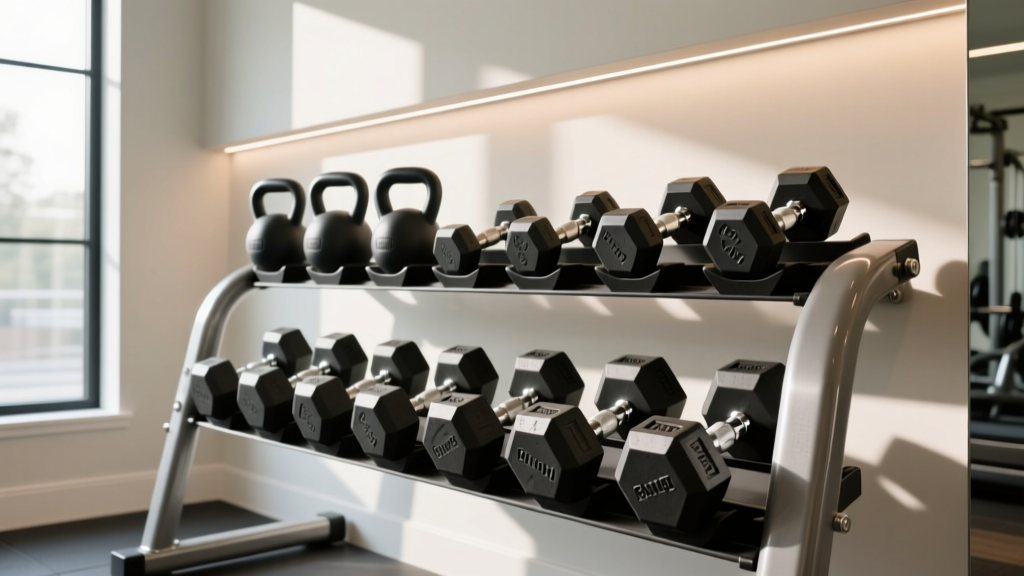
In the popular fitness anime and manga How Heavy Are the Dumbbells You Lift? (Dumbbell Nan Kilo Moteru?), the protagonist Hibiki Sakura begins her fitness journey struggling with 2kg dumbbells before gradually progressing to heavier implements. Her gym-rat friend Ayaka Uehara and trainer Machio Naruzo emphasize strict form and incremental overload. But what happens when an anime-inspired lifter transitions from the dumbbell rack to the squat rack? The reality check is immediate: a standard empty Olympic barbell weighs 20kg (44 lbs)—more than Hibiki’s starting dumbbells combined. Understanding the exact weight tolerances, tensile strength, and knurling profiles of real-world Olympic barbells is critical for any lifter upgrading their home gym in 2026.
This in-depth buying guide bridges the gap between pop-culture inspiration and hardcore biomechanics, breaking down exactly what to look for when investing in an Olympic barbell.
The 20kg Baseline: Weight Calibration and Tolerances
While a standard Olympic barbell is nominally 20kg, the actual weight on the scale varies wildly depending on the manufacturing tier. When you are tracking progressive overload like a disciplined athlete, a 1kg discrepancy can throw off your programming.
- Entry-Level / Commercial Bars ($150 - $250): Often exhibit weight tolerances of +/- 50g to 100g. Some budget import bars may even weigh 18.5kg or 21kg due to poor shaft milling and inconsistent sleeve lengths.
- Mid-Tier Multi-Purpose Bars ($250 - $450): Typically machined to a +/- 20g tolerance. These are the workhorses of most home gyms.
- Competition Calibrated Bars ($800 - $1,300+): Certified by the International Weightlifting Federation (IWF) or International Powerlifting Federation (IPF). According to Eleiko's Olympic Weightlifting Bar engineering specs, competition bars must adhere to a strict +/- 10g tolerance. You are paying for absolute mathematical certainty.
Tensile Strength, Whip, and Shaft Diameter
The 'whip' of a barbell—its ability to bend under load and snap back—is dictated by the shaft diameter and the steel's tensile strength, measured in Pounds per Square Inch (PSI).
Decoding PSI and Shaft Dimensions
Olympic weightlifters (Snatch, Clean & Jerk) desire a high degree of whip to help bounce the bar out of the bottom of a squat. Powerlifters (Squat, Bench, Deadlift) want a rigid bar that transfers force immediately without oscillating.
Quick Data Highlight: Shaft Specs by Discipline• Olympic Weightlifting: 28mm diameter | 165,000 - 185,000 PSI (High Whip)
• Multipurpose / CrossFit: 28.5mm diameter | 190,000 PSI (Moderate Whip)
• Powerlifting: 29mm diameter | 200,000 - 215,000 PSI (Stiff / Low Whip)
If you attempt heavy deadlifts with a 28mm, 165k PSI weightlifting bar, the aggressive whip can cause the bar to oscillate violently, destabilizing your grip and posture. Conversely, pressing a stiff 29mm power bar overhead for high-rep Olympic lifts will feel like lifting a steel pipe, increasing joint fatigue.
Knurling Aggressiveness: Finding Your Grip Profile
Knurling is the cross-hatched pattern machined into the steel shaft to increase friction. The shape of the individual knurl peaks drastically alters the bar's feel. According to extensive testing methodologies outlined by Garage Gym Labs' comprehensive barbell reviews, knurling geometry falls into three primary categories:
1. Mountain Knurling
Sharp, pointy peaks with no flat tops. This is highly aggressive and often found on older, traditional power bars. While it provides immense grip, it can easily tear the calluses on your hands during high-volume dynamic movements.
2. Hill Knurling
The peaks are rounded off, creating a smooth, passive feel. This is standard on dedicated Olympic weightlifting bars (like the Uesaka or Eleiko OPW). It allows the bar to rest comfortably in the front rack position during a Clean without choking the lifter or scraping the collarbones.
3. Volcano Knurling
The gold standard for modern powerlifting and multipurpose bars. The lathe cuts a sharp mountain peak, but the very tip is 'knocked off,' leaving a deep crater with a sharp, jagged rim. This design grabs the skin aggressively without piercing it, offering maximum friction with reduced tearing. The Rogue Fitness Ohio Power Bar is famous for popularizing this specific volcano geometry.
2026 Barbell Comparison Matrix
Below is a structured comparison of three top-tier barbell archetypes available on the market, mapped to specific lifting styles and knurling profiles.
| Barbell Model | Knurl Profile | Tensile Strength | Est. Price (2026) | Best Application |
|---|---|---|---|---|
| Rogue Ohio Power Bar | Aggressive Volcano | 205,000 PSI | $395.00 | Powerlifting / Heavy Compounds |
| Eleiko Olympic WL Bar | Refined Hill | 215,000 PSI | $1,150.00 | Olympic Weightlifting |
| American Barbell California | Moderate Volcano | 190,000 PSI | $295.00 | Multipurpose / Home Gym |
Center Knurling and Sleeve Construction
One of the most polarizing features of a barbell is the center knurl. IPF-legal power bars feature a 1.2mm to 1.5mm deep center knurl designed to bite into the lifter's back during heavy low-bar squats, preventing the bar from sliding up the traps. However, Olympic weightlifters despise center knurling because it shreds the chest and collarbones during the front rack catch phase of a Clean.
Sleeve Mechanics: Bushings vs. Bearings
The sleeves (where the weight plates load) must spin independently of the shaft to reduce rotational torque on the wrists during Olympic lifts.
- Bronze Bushings: Found on power and multipurpose bars. They provide a slow, controlled spin and are virtually indestructible under heavy axial loads (like a 500lb squat).
- Needle Bearings: Found on dedicated weightlifting bars. They allow for a rapid, frictionless spin, which is mandatory when catching a heavy snatch. Using a bearing bar for heavy powerlifting can prematurely wear out the delicate needles.
Real-World Failure Modes: Coatings and Oxidation
A barbell's coating dictates its lifespan, especially in humid or garage gym environments. Here is how modern coatings fail and succeed:
Expert Maintenance Warning: Never use a steel wire brush on a zinc or Cerakote-coated barbell. Steel is harder than zinc and will strip the protective layer, exposing the raw carbon steel core to immediate flash rust. Always use a brass or nylon brush to clean chalk out of the knurling valleys.
- Bare Steel: Offers the best tactile feel but requires weekly oiling. Will rust within 48 hours in high humidity if neglected.
- Hard Chrome: Excellent durability and corrosion resistance, but the knurling is often slightly dulled during the plating process.
- Cerakote (Ceramic Polymer): As of 2026, this is the dominant coating for mid-to-high-tier shafts. It offers military-grade corrosion resistance (withstanding over 1,000 hours in salt spray tests) and comes in various colors. However, Cerakote wears off on the sleeves where metal plates slide on and off, making chrome or QPQ sleeves the preferred hybrid choice.
Step-by-Step Buying Framework for 2026
When upgrading from the dumbbell rack to your first serious barbell, follow this decision matrix:
- Define Your Primary Lift: If you squat and deadlift heavy (1RM focus), buy a 29mm, 200k+ PSI power bar with volcano knurling. If you perform Snatches and Cleans, buy a 28mm, 180k PSI bar with needle bearings.
- Assess Your Environment: Garage gym in a humid climate? Mandate a Cerakote shaft and Chrome sleeves. Climate-controlled basement? Zinc or QPQ is perfectly fine.
- Verify the Warranty: A reputable manufacturer will offer a lifetime warranty against bending. If a bar permanently bends under 500lbs, the tensile steel quality is subpar.
While characters in anime might progress from 2kg dumbbells to limitless strength through sheer willpower, real-world strength requires an intimate understanding of your equipment. Investing in a properly calibrated, correctly knurled Olympic barbell ensures that every ounce of effort you put into the iron is met with safe, reliable, and precise resistance.
More gear to consider
All reviews
2026 Fitness Trends: Bumper vs Iron Plates & 8 lb Dumbbells

Barbell Collar Types & Triceps Pushdowns with Dumbbells Safety Guide

EZ vs Straight Bar Maintenance: Caring for Captain America Dumbbells

Beyond Dumbbell Workout Illustrations: Kettlebell Maintenance

Mastering Dumbbell Raises: Beginner Guide for Neoprene Weights