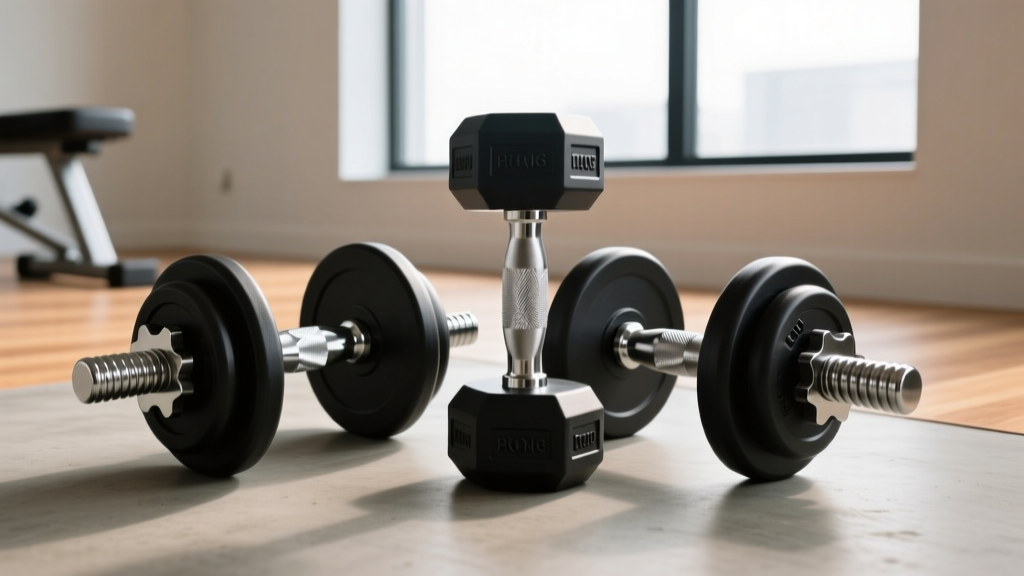
Barbell Knurling Guide: Training Your Back With Dumbbells
Master Olympic barbell weight and knurling. We troubleshoot grip mistakes when transitioning from training your back with dumbbells to heavy barbell rows.

The Biomechanical Shift: Barbell Rows vs. Hitting Your Back With Dumbbells
Most lifters begin their posterior chain development by training their back with dumbbells. It is an accessible, highly effective method that allows for unilateral work, natural shoulder rotation, and a neutral grip that minimizes wrist strain. The thick, often rubber-coated or ergonomic handles of modern dumbbells are forgiving on the central nervous system (CNS) and the skin of your palms. However, when you transition to heavy Olympic barbell rows, Pendlay rows, or deadlifts, the lack of specific barbell knowledge—particularly regarding weight distribution, shaft diameter, and knurling patterns—frequently leads to stalled progress, grip failure, and torn calluses.
An Olympic barbell forces a strict pronated (overhand) or supinated (underhand) grip. The standard 28mm to 29mm shaft diameter demands immense crush grip strength. If you are accustomed to training your back with dumbbells, your latissimus dorsi might be strong enough to row 225 lbs, but your grip will inevitably fail at 185 lbs on a poorly knurled or improperly sized barbell. Understanding Olympic barbell weight specifications and knurling profiles is not just about comfort; it is a critical troubleshooting step for breaking through back-training plateaus.
Common Troubleshooting Alert: If your lats feel under-stimulated after heavy barbell rows, but your forearms are completely pumped and failing, your barbell's knurling or shaft diameter is mismatched to your current grip strength. Do not simply resort to lifting straps immediately; audit your equipment first.Troubleshooting the 3 Biggest Barbell Knurling Mistakes
When lifters upgrade from a standard home-gym barbell to a dedicated Olympic bar, they often make critical errors in selecting the knurl pattern. Here is how to troubleshoot the most common mistakes.
Mistake 1: Choosing a 'Hill' Knurl for Heavy Pulling
Hill knurling features a rounded, smooth peak. It is exceptionally comfortable and ideal for high-repetition CrossFit workouts or Olympic weightlifting variations where the bar must slide against the collarbone. However, if you are performing heavy Kroc rows or barbell bent-over rows, a hill knurl will slip the moment your hands sweat. The Fix: Transition to a 'Mountain' or 'Volcano' knurl to ensure the bar locks into the callus lines of your hand, mimicking the secure grip you get from chalked dumbbell handles.
Mistake 2: Ignoring Shaft Diameter and Tensile Strength
Many lifters assume all Olympic bars weigh 20kg (44 lbs) and share the same dimensions. A standard powerlifting bar features a 29mm shaft and a tensile strength of around 190,000 PSI, making it incredibly stiff. A weightlifting bar features a 28mm shaft and lower tensile strength (around 130,000 PSI), allowing for 'whip' (oscillation). The Fix: For strict back rows, you want zero whip. A 29mm, 190k+ PSI bar ensures that the kinetic energy from your hip hinge transfers directly to your lats, rather than being absorbed by a bouncing barbell.
Mistake 3: Over-Chalking a Volcano Knurl
Volcano knurling is the gold standard for heavy pulling in 2026, featuring a rimmed peak with a small crater in the center. This creates a 'ring of fire' grip. However, a common mistake is packing this crater with excessive lifting chalk. The chalk fills the crater, turning the aggressive knurl into a smooth, slippery paste. The Fix: Apply chalk to your hands, not the bar. Clap off the excess before gripping the bar to let the volcano peaks bite into your skin.
The 2026 Knurling Matrix: Mountain, Volcano, and Hill
To make an informed purchasing decision, you must understand how different knurling profiles interact with your skin during heavy back training. Below is a comparative matrix of the primary knurl types available on the market today.
| Knurl Type | Profile Shape | Aggressiveness | Best Use Case | 2026 Benchmark Model & Price |
|---|---|---|---|---|
| Hill | Rounded, smooth peaks | Low / Passive | Olympic lifts, high-rep conditioning, pressing | Eleiko Sport Training Bar (~$895) |
| Mountain | Sharp, prominent peaks | High / Aggressive | Heavy deadlifts, low-rep barbell rows | American Barbell B&R Bar (~$295) |
| Volcano | Rimmed peak with central crater | Medium-High / Grippy | All-around powerbuilding, heavy pulling, squats | Rogue Ohio Bar - E-Coat (~$225) |
According to equipment testing by BarBend's Barbell Knurling Guide, the volcano pattern remains the most versatile choice for lifters who split their time between heavy pulling and pressing, as it provides adequate friction without tearing the hands during high-volume hypertrophy work.
Barbell Weight & Whip: Why Shaft Mass Matters for Lats
When troubleshooting your back routine, the physical weight and dimensional specifications of the barbell dictate your starting load and range of motion. The standard men's Olympic barbell weighs exactly 20kg (44.09 lbs) and measures 28mm in diameter. The women's Olympic barbell weighs 15kg (33.07 lbs) and measures 25mm in diameter.
The 15kg Barbell Advantage for Smaller Lifters
A frequent mistake made by smaller lifters or those rehabilitating shoulder injuries is forcing the use of a 20kg bar with a 29mm shaft. The thicker shaft disproportionately taxes the flexor digitorum profundus (forearm grip muscles) before the rhomboids and lats can fully engage. Utilizing a high-quality 15kg women's Olympic bar with a 25mm shaft allows for a fuller wrap of the fingers, drastically improving mind-muscle connection during barbell rows. As noted in the Garage Gym Reviews Barbell Buying Guide, a 25mm shaft is not just for women; it is a vital tool for any lifter prioritizing lat engagement over raw grip testing.
Understanding Tensile Strength and 'Whip'
Tensile strength is measured in PSI (pounds per square inch) and determines how much the bar will bend under load and snap back.
- Below 150,000 PSI: Avoid for heavy back training. The bar will permanently bend if dropped during heavy Pendlay rows.
- 160,000 - 180,000 PSI: Ideal for Olympic weightlifting. The 'whip' helps lifters catch cleans, but this same whip will throw off your balance during strict bent-over rows.
- 190,000+ PSI: The gold standard for powerlifting and heavy back hypertrophy. The bar remains rigid, ensuring that when you pull 315 lbs off the floor, the force translates immediately to your back muscles.
Expert Buying Framework: Matching the Bar to Your Back Routine
To transition smoothly from training your back with dumbbells to mastering the barbell, follow this 3-step purchasing framework:
- Audit Your Current Routine: If your back day consists of high-rep (12-15) Kroc rows and barbell shrugs, prioritize a Volcano knurl with a cerakote or e-coat finish to prevent rust from heavy sweat and chalk. The Rogue Fitness Barbell Lineup offers excellent e-coat options that preserve knurl sharpness.
- Check the Center Knurl: If you also plan to back squat on the same bar, ensure it features a center knurl to grip your shirt. However, be aware that an aggressive center knurl can scrape your shins during deadlifts. Many modern 'powerbuilding' bars feature a passive or stripped center knurl to solve this exact issue.
- Invest in Bushings over Bearings: For slow, controlled back movements like rows, you do not need the fast spin of needle bearings (designed for the Olympic snatch). Bronze or composite bushings provide a stiffer, more controlled rotation that prevents the bar from spinning out of your hands mid-row.
Frequently Asked Questions
Can I just use lifting straps instead of buying a better knurled bar?
Lifting straps are an excellent tool for isolating the lats when your grip fails, especially during heavy dumbbell or barbell rows. However, relying on straps exclusively will stunt your forearm and crush-grip development. A properly knurled barbell allows you to build grip strength in tandem with your back muscles, reserving straps only for your heaviest top sets.
Why do my calluses keep tearing on my new Olympic barbell?
Callus tearing usually occurs when you grip the bar too high in the palm of your hand, rather than at the base of the fingers. When you pull heavy weight, the skin folds and pinches against the aggressive mountain or volcano knurling. Adjust your grip to sit directly at the callus line, and regularly file down thick calluses with a pumice stone to prevent them from catching on the knurl peaks.
Is a 28mm or 29mm shaft better for barbell rows?
A 28mm shaft is generally preferred for most lifters as it allows for a secure grip without over-taxing the hands, bridging the gap between the thick handles of dumbbells and the rigidity of a power bar. A 29mm shaft should be reserved for lifters with larger hands or those specifically training for equipped powerlifting deadlifts.
More gear to consider
All reviews
NordicTrack 55 lb Select a Weight Dumbbells to Olympic Barbell Guide

Bumper vs Iron Plates: Care for Your Dumbbell Weight Lifting Routine
Beyond Arm Workouts with Dumbbells at Home: Barbell Guide

Cap Barbell Hex Dumbbell vs Adjustables: Review & Mistakes

Bumper vs Iron Plates: Space Layouts & Wide Dumbbell Curl Zones
