
Barbell Collar Comparison: Golden Dumbbell Weight to Olympic Loads
Compare barbell collar and clamp types for 2026. Learn how to secure everything from a golden dumbbell weight to heavy Olympic loads safely.

When building a comprehensive home gym or outfitting a commercial facility, lifters often obsess over barbell knurling, plate calibration, and rack stability. Yet, the humble barbell collar remains an afterthought—until a 400-pound deadlift goes wrong and plates slide off the sleeve. In the modern fitness landscape, enthusiasts invest in a wide spectrum of equipment, from standard bumper plates to highly customized, aesthetic pieces like a premium golden dumbbell weight used as a luxury gym centerpiece or trophy. Whether you are protecting a pristine custom finish or securing massive Olympic loads, choosing the right clamp is a matter of safety, equipment preservation, and performance.
In this in-depth 2026 buying guide, we break down the physics of sleeve tolerances, compare the leading collar technologies on the market, and provide a concrete decision framework for every type of lifter.
The Physics of Sleeve Tolerance and Clamp Failure
Before evaluating specific brands, you must understand the mechanical environment of a barbell sleeve. A standard Olympic barbell sleeve is nominally 50mm in diameter. However, manufacturing tolerances vary wildly. A premium Eleiko or Rogue barbell will measure exactly 50.0mm to 50.1mm. Conversely, budget-friendly barbells found on mass-market retail sites often measure between 49.2mm and 49.6mm.
This 0.8mm discrepancy is the primary cause of collar failure. If you use a rigid, machined aluminum collar calibrated exactly to 50mm on a 49.4mm budget bar, the collar will not achieve full surface contact. During high-impact drops, the collar will slide, leading to catastrophic plate shifts.
⚠️ Cold-Weather Warning for Garage Gyms: If you train in an unheated garage where temperatures drop below 40°F (4°C), avoid rigid nylon and hard plastic clamp collars. According to Garage Gym Reviews' durability analysis, standard injection-molded plastics become highly brittle in freezing temperatures and can snap under the lateral torque of a dropped barbell. Opt for TPU-lined or forged aluminum collars in cold climates.The 2026 Barbell Collar Comparison Matrix
Below is a structured comparison of the most dominant collar types available today, evaluated on grip strength, material longevity, and risk to premium barbell finishes.
| Collar Type | Model Example | Avg. Price | Grip Mechanism | Finish Scratch Risk |
|---|---|---|---|---|
| Spring Clip | Generic Chrome | $5 - $10 | Tension Wire | High (Metal-on-Metal) |
| Composite Clamp | Lock-Jaw Pro | $30 | TPU Lined Lever | None (Non-Marring) |
| Nylon Clamp | Rogue HG-2 Alphacolor | $35 | Resin Lever | Low |
| Precision Aluminum | Proloc 1 | $20 | Friction Fit / O-Ring | Medium (If O-Ring Fails) |
| Competition Wing | Eleiko Wing Collar | $115+ | Magnetic / Lever Lock | None |
Deep Dive: Collar Categories and Real-World Performance
1. Spring Clips (The False Economy)
Spring clips are the default inclusion with most budget barbell sets. They rely on the tensile strength of bent steel wire to grip the sleeve. Failure Mode: The metal fatigues after approximately 500 to 800 loading cycles, losing its outward tension. Furthermore, the bare metal ends frequently scratch the zinc or chrome finishes of Olympic bars. For anything beyond light bench pressing or curling, spring clips are a safety hazard and should be immediately discarded.
2. Nylon and Composite Clamp Collars (The Daily Drivers)
Clamp-style collars, popularized by brands like Rogue and Lock-Jaw, use a hinged lever mechanism to apply immense, uniform pressure around the sleeve.
- Rogue HG-2 Alphacolor ($35): Constructed from high-strength resin, these are incredibly durable and feature an internal lip that prevents plates from sliding inward. However, the rigid resin does not forgive poorly machined barbell sleeves.
- Lock-Jaw Pro ($30): Features a thermoplastic polyurethane (TPU) lining. This flexible inner layer compresses to accommodate sleeve tolerances ranging from 49mm to 50.5mm, making it the most versatile collar for mixed-equipment gyms.
3. Precision Aluminum and Competition Collars
For powerlifters and Olympic weightlifters, bar 'whip' (the oscillation of the barbell during heavy cleans or deadlifts) is a critical factor. Heavy, rigid collars can alter the whip profile of a bar.
- Proloc 1 ($20): A minimalist, machined aluminum collar that relies on a thick rubber O-ring for friction. They weigh only a few ounces, preserving the natural whip of the bar. Edge Case: If the O-ring tears or degrades from UV exposure, the collar becomes completely useless.
- Eleiko Wing Collars ($115+): The gold standard for IWF competition. As noted in BarBend's extensive testing on barbell collars, these collars use precision bearings and lever-locks to secure loads exceeding 1,000 lbs without shifting a single millimeter.
Protecting Premium Finishes: The Golden Dumbbell Weight Rule
In the upper echelon of home gym design, equipment is not just functional; it is aesthetic. Collectors and luxury fitness enthusiasts often invest in bespoke gear, ranging from custom-finished kettlebells to a literal golden dumbbell weight used as a display piece, a corporate trophy, or a high-end novelty item.
The Non-Marring Mandate: When securing specialty items, gold-plated bars, or highly polished stainless steel dumbbells, you must strictly avoid metal-on-metal contact. Spring clips and bare aluminum collars will permanently gouge soft precious-metal finishes or delicate PVD coatings. Always utilize TPU-lined clamp collars or urethane-padded spin-locks to preserve the resale and aesthetic value of premium gear.If you are transitioning from securing a delicate golden dumbbell weight on a standard 25mm dumbbell handle to loading an Olympic barbell, ensure your collar ecosystem covers both. For 25mm standard dumbbell handles, traditional cast-iron spin-lock collars with rubber padding remain the safest, most scratch-free option.
Final Buying Framework: Match the Collar to the Load
To make your final purchasing decision, categorize your training style and equipment profile:
- The Budget / Light Duty Lifter: If you only perform strict, controlled movements (bicep curls, overhead presses) with loads under 150 lbs, a Proloc 1 or basic nylon clamp is sufficient. Replace them every two years as the friction linings wear down.
- The CrossFit / High-Intensity Athlete: You drop bars from overhead. You need maximum surface area grip and impact resistance. Purchase the Lock-Jaw Pro or Rogue HG-2. The TPU and resin materials will absorb the shock of 500+ drops without cracking.
- The Powerlifter / Heavy Deadlifter: Lateral plate shift is your enemy. Invest in heavy-duty competition collars or dual-locking aluminum clamps that physically bolt or magnetically lock onto the sleeve end.
- The Luxury / Aesthetic Gym Owner: Protect your investments. Whether handling a custom golden dumbbell weight or a polished Cerakote barbell, strictly use urethane or TPU-lined clamps to guarantee zero cosmetic damage.
Ultimately, a barbell collar is the only barrier between a successful lift and a gym-floor disaster. By understanding sleeve tolerances, material degradation, and the specific demands of your training environment, you can secure your loads with absolute confidence.
More gear to consider
All reviews
Cast Iron vs Competition Kettlebells: Beyond the Crystal Dumbbell

Olympic vs Standard Plates: Guide & Incline Dumbbell Press Form
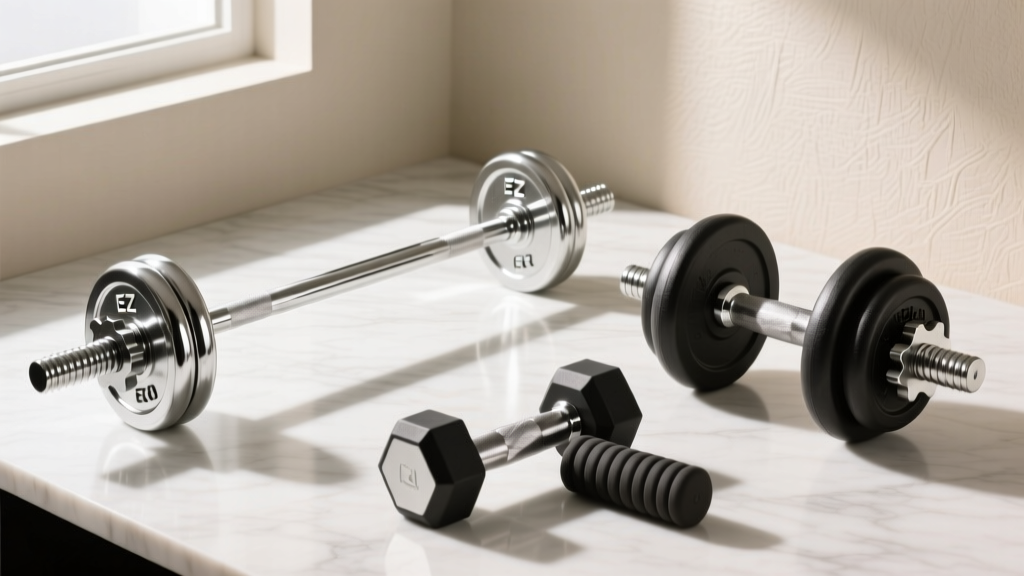
EZ Curl Bar vs Straight Bar and Dumbbell for Biceps and Triceps Costs
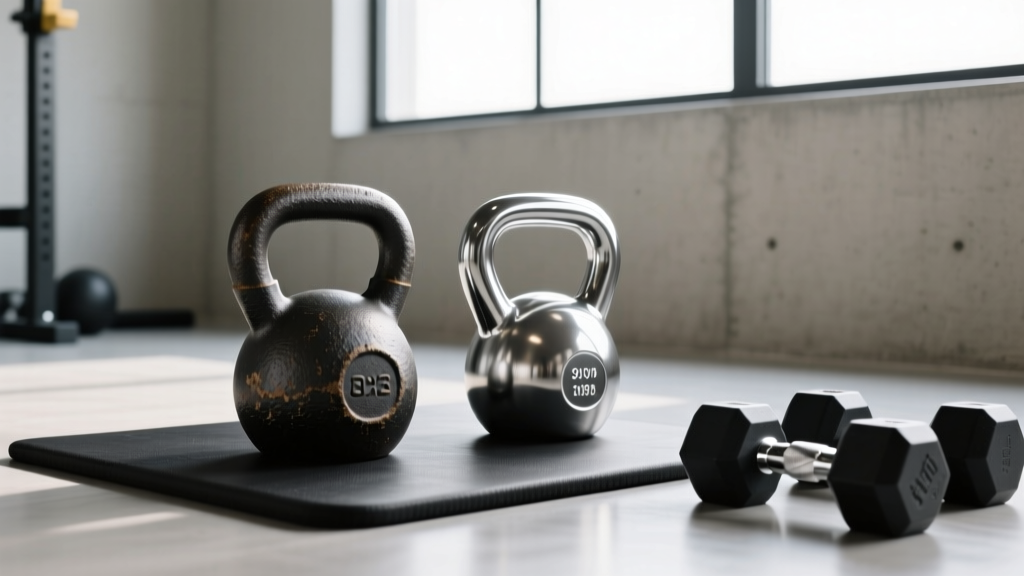
Cast Iron vs Competition Kettlebells: Deltoid Exercises with Dumbbells

Standing Shoulder Press With Dumbbells: Form & 2026 Adjustable Picks
