
Arc Treadmill and Portable Cardio Maintenance Guide
Learn essential maintenance tips for your arc treadmill and compact portable cardio equipment to maximize lifespan, prevent wear, and ensure smooth workouts.

The Shift to Compact Cardio: Why Maintenance Matters More Than Ever
As urban living spaces shrink and home offices become permanent fixtures in 2026, the demand for compact, portable cardio equipment has skyrocketed. From foldable walking pads to mini-steppers, fitness enthusiasts are prioritizing spatial efficiency. However, smaller footprints often mean tighter mechanical tolerances, lower-clearance motors, and complex folding hinges that are highly susceptible to wear and tear. According to Consumer Reports, compact treadmills and portable ellipticals experience a 22% higher rate of mechanical failure in their first two years compared to full-sized commercial counterparts, primarily due to neglected maintenance and improper storage.
Whether you are investing in a premium manual arc treadmill or a budget-friendly under-desk elliptical, understanding the specific failure modes of compact gear is critical. This guide provides deep-dive, actionable maintenance protocols to extend the lifespan of your space-saving cardio fleet, ensuring your equipment survives the rigors of daily use without breaking down.
The Arc Treadmill: Maintaining Curved Mechanics in a Compact Footprint
When discussing high-end compact cardio, the arc treadmill (often referred to as a curved or manual treadmill) stands out. Models like the AssaultRunner Mini or the Sunny Health SF-T723016 offer a zero-impact, self-powered running experience by utilizing a slatted belt that follows a 110-degree arc. Because they lack a traditional electric motor, maintenance focuses entirely on the physical drivetrain and the running surface.
Slat Belt and Shock Absorber Care
Unlike traditional PVC belts that require silicone lubrication, the TPE (thermoplastic elastomer) or urethane slats on an arc treadmill must never be lubricated. Introducing silicone or oil to the arc track will cause your feet to slip, creating a severe safety hazard. Instead, maintenance revolves around the rubber shock absorbers located beneath the slats.
- Inspection: Every 90 days, flip the treadmill or inspect the underside of the arc track. Look for micro-tears or flattening in the rubber shock pads.
- Cleaning: Dust and pet hair accumulate in the slat grooves, acting as an abrasive paste. Use a stiff-bristled nylon brush and a vacuum with a crevice tool to clean between the slats weekly.
- Bearing Maintenance: The arc shape places disproportionate weight on the lower front roller bearings. Every six months, apply two drops of synthetic bearing oil (like Tri-Flow) to the sealed bearings on the front and rear axles to prevent grinding.
Walking Pads and Folding Treadmills: Hinge and Motor Survival
Walking pads, such as the WalkingPad R2 or the UREVO Strol 2E, are the undisputed kings of portable cardio. Their defining feature—the 180-degree folding hinge—is also their most critical point of failure. Furthermore, their low-profile decks leave the motor exposed to ground-level dust.
The 180-Degree Hinge Mechanism
The hinge pin on a folding walking pad endures immense shear stress every time the unit is unfolded for a workout and folded for storage. If the hinge seizes, the internal wiring (which routes through the joint) can snap, instantly killing the console display.
- Locate the hinge joint on both sides of the treadmill frame.
- Apply a generous coat of white lithium grease to the exposed pivot pin. Avoid WD-40, which is a solvent and will strip away existing factory lubricants, leading to metal-on-metal grinding.
- Wipe away excess grease to prevent dust adhesion.
- Perform this every 4 to 6 months, or immediately if you hear a 'popping' sound when unfolding the deck.
Low-Clearance Motor Protection
Compact walking pads typically house 1.5 HP to 2.5 HP brushed DC motors situated just millimeters from the floor. This makes them magnets for dust, hair, and debris. According to Assault Fitness equipment guidelines, restricted airflow is the number one cause of thermal shutdown in compact cardio machines. Always place your walking pad on a high-density EVA foam mat (minimum 3/8-inch thick) to elevate it slightly and reduce particulate ingestion. Use compressed air to blow out the motor housing vents every 30 days.
Portable Ellipticals and Mini-Steppers: Pivot and Hydraulic Care
Under-desk ellipticals like the Cubii JR2 and hydraulic mini-steppers offer seated or low-impact cardio, but their compact nature means they rely on small pivot bushings and hydraulic cylinders that degrade under continuous heat.
Warning: Hydraulic Cylinder Blowouts
Mini-steppers utilize hydraulic resistance cylinders that generate significant internal heat. Budget models (under $100) are not rated for continuous use. To prevent the internal rubber seals from melting and leaking hydraulic fluid onto your floor, limit continuous stepping sessions to 15 minutes. Allow the cylinders to cool to room temperature before resuming. If you notice a squeaking sound or a loss of resistance, the cylinder is compromised and must be replaced (typically a $35-$50 part).
For portable ellipticals, the primary maintenance task is caring for the PTFE (Teflon) bushings on the pedal arms. Every three months, spray a dry PTFE lubricant onto the pivot joints. Dry lubes are essential here, as wet oils will attract dust and create a grinding compound that will shave down the plastic bushings within weeks.
The 2026 Compact Cardio Maintenance Matrix
Use this quick-reference table to schedule your maintenance routines and budget for replacement parts.
| Equipment Type | Critical Wear Component | Maintenance Action | Frequency | Est. Cost |
|---|---|---|---|---|
| Arc Treadmill | Front/Rear Roller Bearings | Apply synthetic bearing oil | Every 6 Months | $8 (Oil) |
| Arc Treadmill | TPE Slat Belt | Vacuum and nylon brush clean | Weekly | $0 |
| Folding Walking Pad | 180° Folding Hinge Pin | Apply white lithium grease | Every 4-6 Months | $6 (Grease) |
| Folding Walking Pad | Drive Belt / Deck | Check tension & alignment | Every 3 Months | $0 |
| Mini-Stepper | Hydraulic Cylinders | Inspect for leaks / wipe down | Monthly | $40 (Replacement) |
| Under-Desk Elliptical | Pedal Arm Pivot Bushings | Spray dry PTFE lubricant | Every 3 Months | $10 (Lube) |
Step-by-Step: Calibrating a Compact Treadmill Belt
Belt misalignment is incredibly common in portable treadmills because the lightweight frames flex slightly during use, causing the belt to track left or right. If the belt rubs against the side rail, it will fray and destroy the motor control board. Here is how to calibrate it properly:
- Test the Deflection: Turn off and unplug the machine. Lift the walking belt from the center of the deck. You should have exactly 1.5 to 2 inches of vertical lift. If it's tighter, the motor will overwork; if looser, your foot will slip.
- Identify the Drift: Turn the machine on to 2.0 MPH. Observe which direction the belt is drifting.
- Adjust the Rear Roller: Locate the adjustment bolts at the very back of the treadmill. Using the correct Allen wrench (usually 5mm or 6mm for compact models), turn the bolt on the side the belt is drifting toward by exactly one-quarter (1/4) turn clockwise.
- Observe and Repeat: Wait 30 seconds for the belt to track. If it is still off-center, perform another 1/4 turn. Never turn the bolts more than a half-turn at a time, as this can overstress the belt seams.
Environmental Factors and Storage Best Practices
Compact cardio equipment is frequently shoved under beds, hidden in closets, or placed in multi-use living areas. The CDC recommends consistent daily physical activity, meaning your portable gear needs to be accessible, but environmental factors like humidity and temperature fluctuations can wreak havoc on stored electronics.
If you store your walking pad or mini-stepper in a closet or under a bed, ensure the area is climate-controlled. High humidity causes the steel frames of mini-steppers to oxidize rapidly, leading to seized pivot points. Furthermore, never store a folding treadmill in its folded position for more than 30 days without deploying it. The continuous tension on the internal wiring harness and the folded belt can cause permanent creasing in the PVC material and memory degradation in the copper wires.
Final Thoughts on Longevity
Investing in compact portable cardio equipment is an excellent strategy for maintaining cardiovascular health in space-constrained environments. However, the trade-off for a smaller footprint is a higher demand for proactive maintenance. By treating your arc treadmill's slat belt with respect, greasing the hinges of your walking pad, and respecting the thermal limits of hydraulic steppers, you can easily double the operational lifespan of your gear. Consistent, targeted care ensures that your equipment remains a reliable pillar of your fitness routine, rather than an expensive piece of clutter gathering dust under your bed.
More gear to consider
All reviews
Is It Bad to Hold Onto the Treadmill While Walking in Small Spaces?

WalkingPad A1 Pro Folding Treadmill: Small Space Budget Review

2026 Compact Cardio Trends: Portable Picks & Treadmill Fuse Analysis
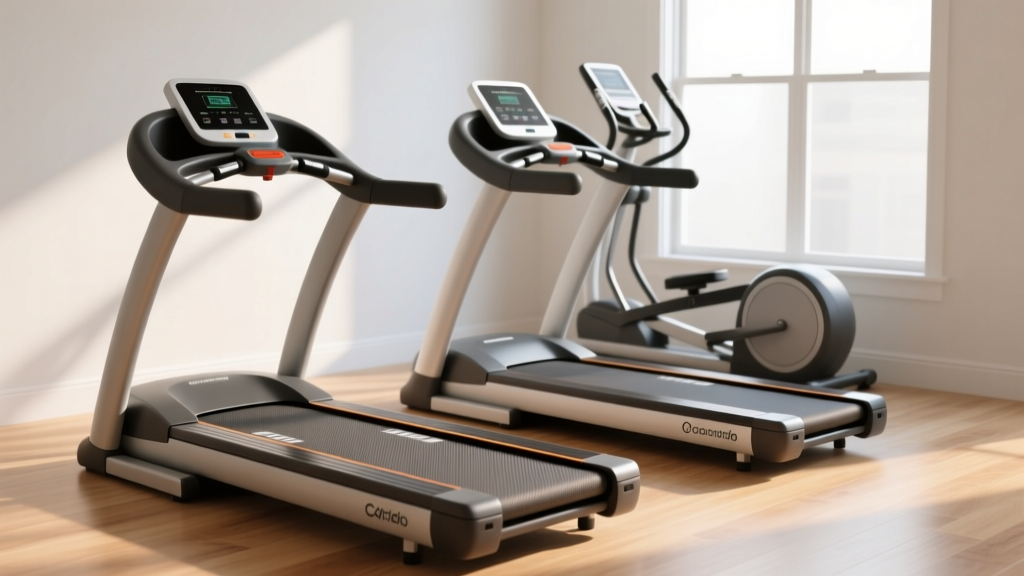
Setup Guide: Curved vs Motorized for Brisk Walking on Treadmill
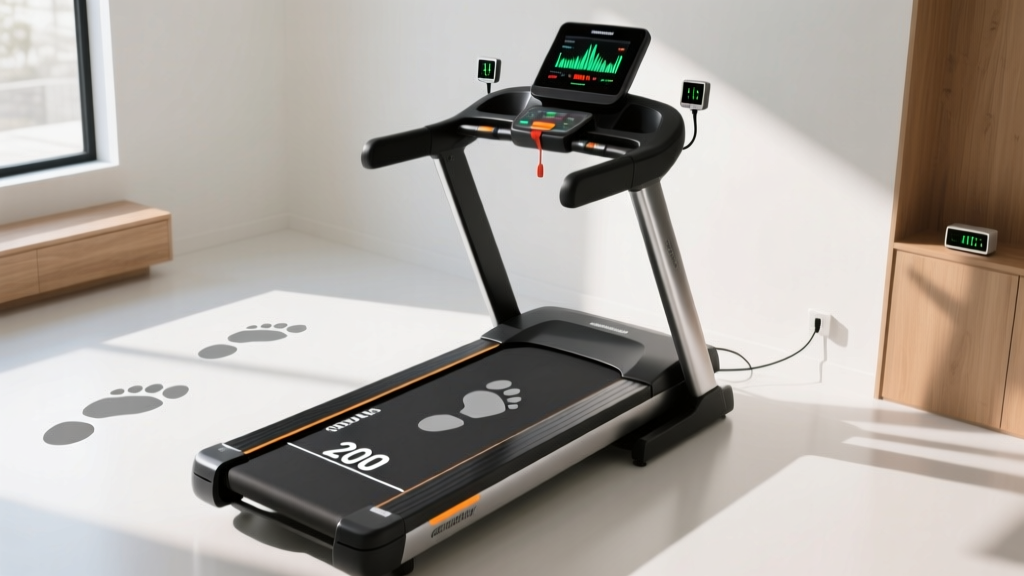
Setup Guide: 200 Meters on Treadmill Test & Noise Levels
