
Beyond Alo vs Lululemon Yoga Mat: Foam Roller Mistakes
Debating the alo vs lululemon yoga mat? Don't neglect recovery. Learn foam roller density, size selection, and troubleshooting mistakes.

The Mat vs. The Roller: Where Recovery Budgets Go Wrong
When outfitting a home studio or upgrading a gym bag in 2026, the fitness community spends countless hours debating the alo vs lululemon yoga mat dilemma. Enthusiasts meticulously compare the 5mm Alo Warrior Mat against the 5mm Lululemon Reversible Mat, analyzing grip, polyurethane surfaces, and natural rubber bases. However, this hyper-fixation on the primary training surface often leads to a critical blind spot: the recovery ecosystem. You can invest $128 in a premium yoga mat, but if you pair it with a poorly selected, overly dense foam roller, you risk fascial tearing, nerve compression, and compromised mobility.
According to the National Academy of Sports Medicine (NASM), self-myofascial release (SMR) is highly dependent on applying the correct pressure to specific tissue layers. Using the wrong foam roller density or size doesn't just render your recovery session ineffective; it can actively trigger protective muscle spasms. This troubleshooting guide will help you avoid the most common foam roller selection mistakes, ensuring your recovery gear is as meticulously chosen as your yoga mat.
⚠️ Common Troubleshooting Alert: If you experience sharp, shooting pain or numbness during foam rolling, you are likely compressing a superficial nerve (such as the common fibular nerve near the knee) or rolling directly over a bony prominence. Stop immediately and adjust your angle.Mistake #1: Misunderstanding Foam Density Metrics
The most frequent error consumers make is assuming that 'harder is always better.' While a firm roller provides deep tissue stimulation, using a high-density roller on an inflamed or unconditioned muscle group triggers the stretch reflex, causing the muscle to contract and guard against the pressure. To troubleshoot your recovery, you must understand the three primary density tiers and their material compositions.
The Density Breakdown
| Density Tier | Material Core | Best Use Case | Price Range | Popular Model |
|---|---|---|---|---|
| Soft (Low) | EVA Foam (Ethylene-Vinyl Acetate) | Pilates, acute injury recovery, beginners, sensory sensitivity. | $25 - $45 | OPTP PRO-ROLLER Soft |
| Medium (Standard) | EPP (Expanded Polypropylene) | General gym use, daily maintenance, yoga practitioners. | $15 - $30 | AmazonBasics EPP Roller |
| Firm (High) | ABS Plastic Core + EVA/EPP Shell | Heavy weightlifters, dense fascial adhesions, advanced athletes. | $35 - $55 | TriggerPoint GRID 13' |
Troubleshooting Tip: If you are a heavy powerlifter (over 220 lbs) using a standard EPP roller, you will likely 'bottom out' the foam, effectively rolling on a hard plastic pipe. Upgrade to an ABS-core model. Conversely, if you are recovering from a marathon and your muscles are highly inflamed, an ABS-core roller will cause micro-trauma. Switch to a soft EVA roller for lymphatic flushing.
Mistake #2: Sizing Errors (Length and Diameter)
Size selection is rarely discussed in mainstream fitness media, yet it dictates the biomechanical feasibility of certain exercises. The standard diameter for most rollers is 5 to 6 inches, but the length varies drastically, leading to spatial and functional mistakes.
- The 36-Inch Full-Length Roller: Essential for thoracic spine extension and vertical rolling (rolling the latissimus dorsi while keeping the spine aligned). Mistake: Buying this for a small apartment or travel bag. It becomes a tripping hazard and gathers dust.
- The 18-Inch Mid-Length Roller: The most versatile size. It is wide enough to roll the upper back and glutes horizontally but compact enough to store in a closet. Mistake: Attempting to do full-body Pilates stretches on it, which compromises balance.
- The 12-to-13-Inch Travel Roller: Perfect for targeting the calves, IT band, and quads. Mistake: Using a 12-inch roller for the thoracic spine. Because it is narrower than the average human shoulder width (approx. 16-18 inches), your shoulder blades will slide off the edge, causing joint strain rather than muscular release.
Mistake #3: Texture Overkill and Fascial Tearing
In the pursuit of deeper muscle release, many athletes gravitate toward aggressively textured rollers with deep, rigid lugs (like the RumbleRoller Godeep). While these mimic the thumbs of a deep-tissue massage therapist, they are frequently misused.
'Fascia responds best to sustained, moderate pressure. Aggressive, bumpy textures applied with rapid, rolling motions can cause the superficial fascia to adhere to the underlying muscle tissue, creating more restriction rather than releasing it.' - Insights derived from Healthline's guide on myofascial release.
The Fix: Use smooth or mildly textured rollers (like the standard TriggerPoint GRID) for broad, sweeping motions to increase blood flow. Reserve aggressively bumpy rollers exclusively for static trigger-point holds. When you find a knot, stop rolling. Pin the textured lug against the knot and breathe deeply for 30 to 45 seconds until the tissue yields.
Troubleshooting Matrix: Pain vs. Productive Discomfort
One of the most dangerous mistakes is pushing through 'bad pain.' Use this diagnostic matrix to troubleshoot your rolling sessions in real-time.
| Symptom Experienced | Probable Cause | Immediate Troubleshooting Action |
|---|---|---|
| Sharp, burning pain on the outer thigh. | Rolling directly over the IT Band, compressing it against the femur. | Stop. Shift focus to the Tensor Fasciae Latae (TFL) and Gluteus Medius, which pull on the IT band. |
| Reflex spasms or aching in the lower back. | Using a hard roller directly on the lumbar spine, which lacks rib cage protection. | Never roll the lumbar spine directly. Use a soft roller or a lacrosse ball on the surrounding erector spinae muscles. |
| Numbness or tingling below the knee. | Compressing the common fibular nerve near the fibular head. | Avoid the lateral joint line of the knee. Keep the roller strictly on the muscle bellies of the calf or hamstring. |
| Bruising after a session. | Roller density is too high for current tissue tolerance; capillary damage. | Downgrade to a soft EVA foam roller and reduce body-weight leverage by using your arms to support more weight. |
Building the Ultimate 2026 Recovery Station
Ultimately, the debate surrounding the alo vs lululemon yoga mat is about finding the perfect interface between your body and the floor for active movement. But recovery requires a different interface. If you have invested in a premium Lululemon or Alo yoga mat for your vinyasa flows and mobility work, you must complement it with a scientifically sound foam rolling strategy.
For a complete home setup, we recommend a two-roller system: a 36-inch soft EVA roller for thoracic extensions and Pilates-based core work on your mat, and a 13-inch ABS-core textured roller for targeted, deep-tissue trigger point therapy on the glutes, quads, and calves. By understanding density metrics, respecting anatomical boundaries, and troubleshooting pain signals correctly, you will transform your foam roller from a painful torture device into an indispensable tool for longevity and performance.
More gear to consider
All reviews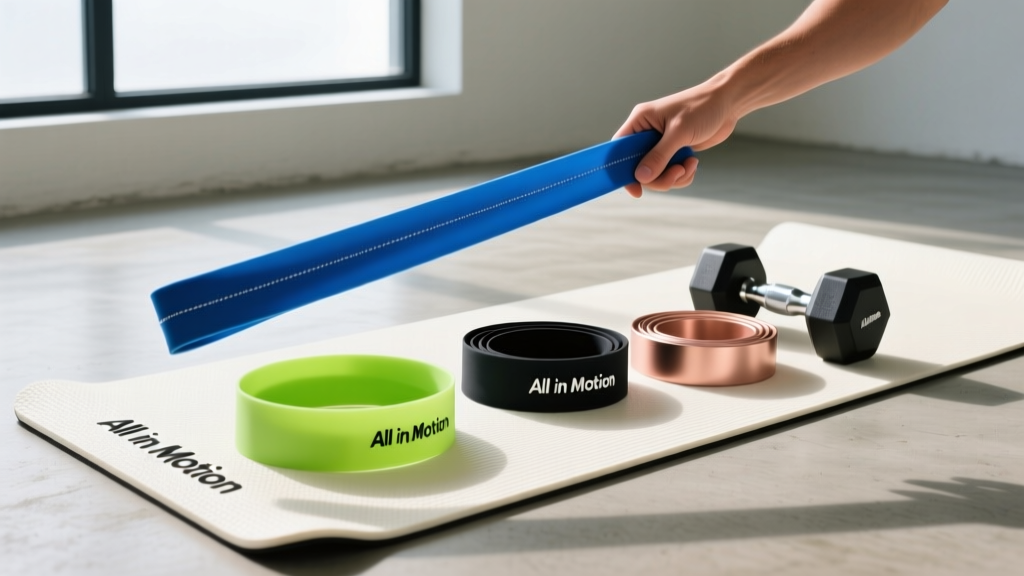
2026 Pull-Up Band Sizing & All in Motion Yoga Mats

Yoga Without a Yoga Mat: Best Blocks & Straps for Small Spaces
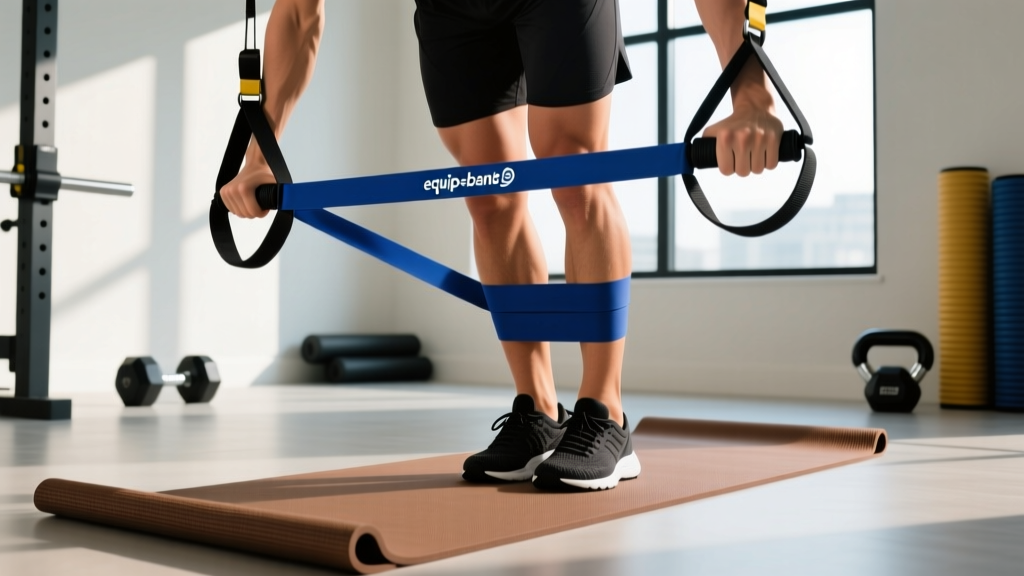
Pull-Up Assist Band Sizing: Pairing with Ideal Yoga Mat Thickness

Pregnant Equip Cardio Essentials: Safe, Effective, and Evidence-Based Equipment-Based Cardio for Every Trimester

Block & Strap Guide: Difference Between Yoga Mat and Pilates Mat
