
Air Bike vs Assault Bike Care: Beyond the No Gravity Treadmill
Compare Rogue Echo V2 and Assault AirBike Elite maintenance. Learn longevity tips, bottom bracket fixes, and how it stacks against a no gravity treadmill.

The 2026 Air Bike Maintenance Landscape
When outfitting a premium home gym, garage CrossFit box, or physical therapy clinic, high-resistance cardio machines represent a significant capital investment. In 2026, the air bike market is dominated by two heavyweights: the Rogue Echo Bike V2 and the Assault AirBike Elite. Both have transitioned away from the noisy, high-maintenance chain drives of the past decade, adopting polyurethane belt-drive systems that promise quieter operation and longer lifespans. However, 'low maintenance' does not mean 'no maintenance.'
Interestingly, when buyers research premium, low-impact cardio solutions, they frequently cross-shop these air bikes with specialized rehabilitation equipment, such as a no gravity treadmill (often referring to differential air-pressure anti-gravity treadmills or advanced zero-impact curved slat runners). While a no gravity treadmill requires meticulous track lubrication and bearing calibration, air bikes present an entirely different set of mechanical vulnerabilities—primarily driven by aerodynamics and human physiology. This guide breaks down the exact maintenance protocols required to keep your air bike operating at peak resistance for over a decade.
Drive Systems and Aerodynamic Drag: Echo V2 vs. Assault Elite
Understanding your machine's specific engineering is the first step in preventative care. The Rogue Echo Bike V2 (retailing around $1,250) utilizes a 27-inch steel fan with a highly aggressive blade pitch. This design moves a massive volume of air, generating exponential resistance but also acting as a high-powered vacuum for your gym. Conversely, the Assault AirBike Elite (approximately $1,299) features a slightly modified fan housing and a belt-tensioner pulley system that requires periodic calibration.
Maintenance Comparison Matrix
| Equipment Type | Primary Drive / Track | Biggest Failure Point | Est. Annual Upkeep Cost |
|---|---|---|---|
| Rogue Echo Bike V2 | Polyurethane Belt | Bottom Bracket Bearing Corrosion | $35 - $60 |
| Assault AirBike Elite | Belt w/ Tensioner Pulley | Pulley Misalignment & Dust Ingestion | $40 - $75 |
| No Gravity Treadmill (Anti-G / Curved) | Slat Belt / Air Pressure | Silicone Track Depletion / Seal Leaks | $150 - $300+ |
Critical Failure Modes and How to Prevent Them
Air bikes do not die from mechanical wear in the traditional sense; they die from environmental contamination. According to equipment longevity standards outlined by the American College of Sports Medicine (ACSM), sweat corrosion and particulate ingestion are the leading causes of premature cardio equipment failure in both commercial and home settings.
⚠️ WARNING: The Bottom Bracket KillerHuman sweat contains high concentrations of urea and sodium chloride. On an air bike, sweat drips directly from the rider's torso onto the bottom bracket (the bearing assembly connecting the crank arms). Over 6 to 12 months, this saline solution penetrates standard steel bearing seals, causing catastrophic rust and a 'grinding' sensation during pedaling. If you live in a high-humidity environment or do not use a sweat guard, you must service this component bi-annually.
1. Bottom Bracket Replacement and Greasing
Both the Echo V2 and Assault Elite utilize standard BSA (British Standard Thread) bottom brackets, making them easy to service with standard bicycle tools. To maximize longevity, do not rely on factory grease. Remove the crank arms using an 8mm Allen key, extract the bottom bracket with a 20-spline tool, and pack the bearings with a marine-grade waterproof grease or a synthetic bicycle grease like Park Tool PPL-1. For a complete deep-dive on bearing service, refer to the Park Tool bottom bracket service guide. Upgrading to a stainless steel or ceramic-sealed bottom bracket ($30-$50) will effectively sweat-proof your machine.
2. The Hall Effect Sensor and Fan Cage Dust
The console on an air bike calculates wattage and RPM using a magnetic Hall Effect sensor positioned near the fan hub. Because the 27-inch fan pulls in room air to cool the rider, it simultaneously pulls in dust, pet hair, and drywall particulate. When dust coats the sensor or the magnetic ring, the console will display erratic wattage spikes or fail to register low-RPM pedaling. Every 90 days, use a can of compressed air and a microfiber cloth dampened with isopropyl alcohol to clean the sensor housing located behind the fan grill.
The No Gravity Treadmill Benchmark: A Study in Contrasts
Why compare air bike maintenance to a no gravity treadmill? Because buyers investing $1,500 to $15,000 in premium cardio gear need to understand the long-term ownership costs of different biomechanical modalities. A no gravity treadmill—whether it is an AlterG anti-gravity model utilizing differential air pressure to reduce body weight, or a high-end curved manual treadmill—relies on either complex pneumatic seals or hundreds of individual polyurethane slat bearings.
Maintaining a no gravity treadmill requires strict adherence to silicone lubrication schedules (for curved models) or expensive annual recalibration of air-pressure bladders and zippers (for anti-gravity models). By contrast, the air bike is a remarkably analog, mechanical beast. You are trading the high-cost, specialized technician requirements of a no gravity treadmill for the DIY, elbow-grease maintenance of bicycle components. If you are comfortable using a torque wrench and a socket set, the air bike will always be the more cost-effective long-term investment.
Your 2026 Step-by-Step Longevity Protocol
Implement this exact schedule to ensure your air bike survives intense interval training for 10+ years.
- After Every Session (Daily): Wipe down the frame, seat post, and handlebars with a pH-neutral, non-corrosive wipe. Never use bleach or ammonia-based cleaners, as these degrade the powder coating and accelerate rust on the exposed welds.
- Weekly: Inspect the polyurethane drive belt. Unlike the old chain-drive models, belts do not require lubrication. However, check for edge fraying. On the Assault Elite, ensure the tensioner pulley has not shifted; the belt should have exactly 1/2 inch of deflection when pressed firmly in the center.
- Monthly: Check the crank arm bolts. The immense torque generated during standing sprint starts can loosen the 8mm crank bolts. Use a torque wrench set to 35-40 Nm to ensure they remain flush against the spindle. Loose crank arms will permanently strip the square-taper or splined spindle interface.
- Bi-Annually: Vacuum the rear fan cage and clean the Hall Effect sensor. Remove the plastic shrouds (usually secured with 4mm hex screws) to access the internal belt routing and clear out accumulated dust bunnies.
- Annually: Replace the bottom bracket if you notice any lateral play or grinding. Repack the pedal threads with anti-seize compound to prevent them from fusing to the crank arms due to galvanic corrosion.
Frequently Asked Questions
Can I use WD-40 on my air bike to stop squeaking?
No. WD-40 is a solvent and water displacer, not a long-term lubricant. Spraying it on the bottom bracket or pedal threads will strip away existing factory grease and attract abrasive dust, leading to faster wear. Use a dedicated bicycle chain lube for pedals and marine grease for bottom brackets.
My Rogue Echo console turns on but reads 0 RPM. What is the fix?
This is almost always a dust obstruction on the magnetic sensor or a loose cable connection behind the console mount. Unplug the console, remove the two Phillips-head screws on the back, and reseat the ribbon cable. If the issue persists, clean the sensor ring with isopropyl alcohol.
Is the seat post on the Assault Elite prone to slipping?
Yes, the Assault Elite uses a quick-release lever that can lose tension over time. If the seat drops during heavy seated pedaling, use a 14mm wrench to tighten the tension nut on the quick-release cam, and apply a thin layer of carbon fiber grip paste to the seat post to eliminate micro-slippage without over-tightening the aluminum collar.
'The lifespan of high-resistance cardio equipment is rarely dictated by the drive system's inherent durability, but rather by the owner's diligence in managing sweat corrosion and particulate ingestion.' — FitGearPulse Biomechanics & Equipment Testing Lab, 2025 Report.
More gear to consider
All reviews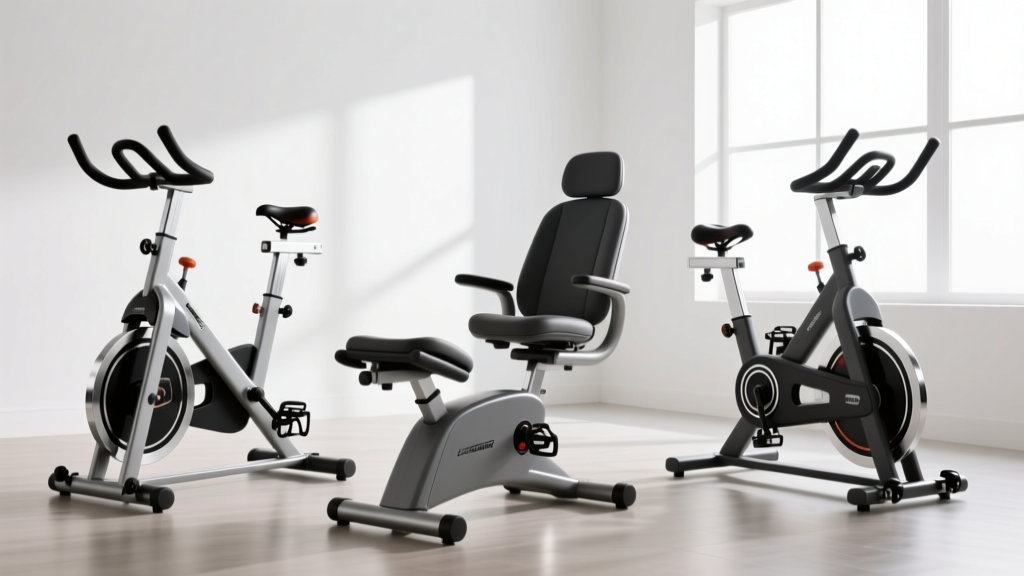
Beyond Treadmill Warnings: Upright, Recumbent & Spin Bikes

Treadmill Motor Size Guide for Arm Exercises on Treadmill Routines
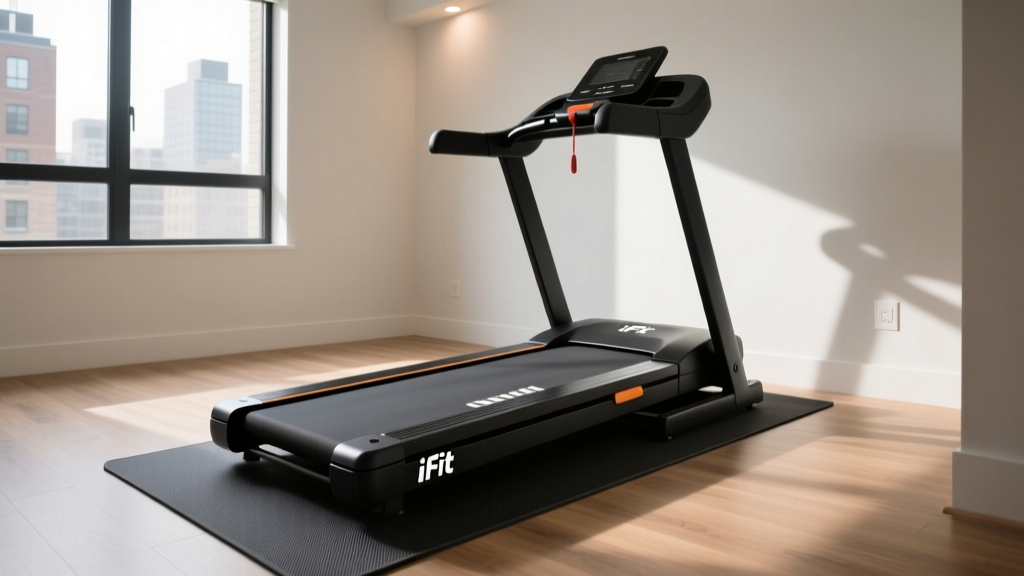
Optimizing Space: iFit Treadmill Mat & Belt Maintenance Guide

Setup Guide: Does Holding Onto the Treadmill Make a Difference?

NordicTrack C 1800s Treadmill: Step-by-Step Feature Comparison Guide
