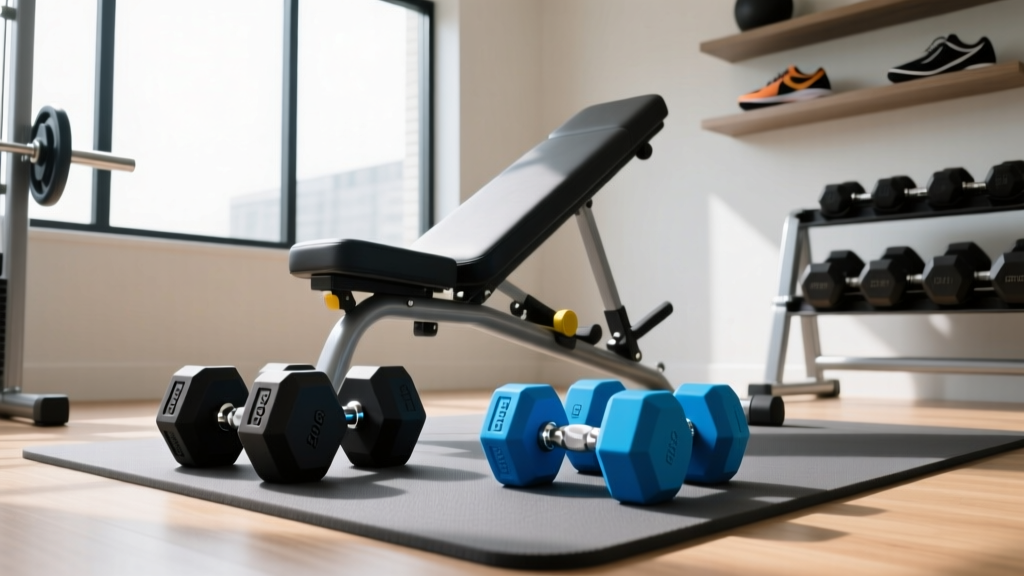
Adjustable Dumbbell Reviews: Troubleshooting Dumbbell Woodchoppers
Discover which adjustable dumbbells survive high-torque dumbbell woodchoppers. We review top models, troubleshoot gear failures, and fix form mistakes.

The Biomechanical Stress of Dumbbell Woodchoppers on Adjustable Gear
When fitness enthusiasts and physical therapists design core routines, rotational movements like the woodchopper consistently rank at the top for targeting the obliques and transverse abdominis. However, performing dumbbell woodchoppers introduces a unique, high-torque mechanical stress that traditional cast-iron dumbbells easily withstand, but adjustable dumbbells frequently fail under.
Unlike a controlled bicep curl, a woodchopper is a multi-planar, high-velocity movement. When you swing a 40-pound adjustable dumbbell from a high diagonal position down across your torso, the deceleration phase at the bottom of the movement generates lateral G-forces that can exceed 120 Newtons. This sheer lateral force rattles internal weight plates, stresses plastic selector dials, and can warp the central steel rods of poorly engineered adjustable models. In this 2026 troubleshooting guide and gear review, we dissect the most common mistakes lifters make with adjustable dumbbells during rotational work, compare the top models on the market, and provide actionable fixes for gear malfunctions.
Common Form Mistakes That Destroy Adjustable Dumbbells
Before blaming the equipment, we must address the biomechanical errors that accelerate wear and tear. According to exercise directories detailing oblique mechanics, the woodchopper requires a synchronized pivot of the hips and torso. When form breaks down, the dumbbell takes the brunt of the kinetic leak.
1. The 'Baseball Swing' Momentum Error
Many lifters initiate the downward chop using aggressive hip rotation rather than core contraction. This creates a 'whip' effect at the end of the range of motion. The sudden stop causes the internal weight plates of adjustable dumbbells to slam against the housing. Over time, this micro-trauma cracks the plastic base trays of dial-based systems and bends the selector pins of pin-based systems.
2. Two-Handed Grips on Single-Handle Dials
For heavy goblet-style or two-handed diagonal chops, lifters often wrap both hands tightly around the handle. If you are using a twist-dial adjustable dumbbell (like the Nuobell), your palms can inadvertently grip the rotating dial collar. The friction and torque from your hands can force the dial out of alignment, stripping the internal plastic gears and jamming the weight selection mechanism.
⚠️ Critical Warning: The Fatigue DropNever drop adjustable dumbbells after a grueling set of woodchoppers. Unlike hex rubber dumbbells, adjustable models rely on precise tolerances. Dropping them from waist height—even on rubber gym flooring—can shatter the selector housing or permanently misalign the weight stack, rendering the $400+ equipment useless.
Adjustable Dumbbell Comparison: The Woodchopper Stress Test
Not all adjustable dumbbells are built for rotational, high-momentum work. Below is our 2026 comparison matrix evaluating the top contenders based on their suitability for dumbbell woodchoppers, factoring in handle ergonomics, mechanism durability, and failure risks.
| Model | Selector Mechanism | Woodchopper Rating | Est. Price (Pair) | Primary Failure Mode |
|---|---|---|---|---|
| PowerBlock Elite USA | Pin & Welded Cage | ⭐⭐⭐⭐⭐ (Excellent) | $419 | Urethane wear; pin sticking if unlubricated |
| Nuobell 80lb | Twist Handle / Crank | ⭐⭐⭐ (Moderate) | $399 | Dial gear stripping; base plate cracking |
| Bowflex SelectTech 552 | Dual Side Dials | ⭐⭐ (Poor) | $349 | Dial misalignment; excessive plate rattle |
PowerBlock Elite USA: The Indestructible Cage
For high-velocity rotational work, the PowerBlock Elite USA is the undisputed champion. Its welded steel cage and solid urethane coating mean there are no fragile plastic dials to crack under lateral G-force. The pin selector is housed securely within the block. The Trade-off: The blocky, rectangular shape (6.5 x 12 inches) makes two-handed goblet woodchoppers incredibly awkward. You are forced to perform single-arm lateral chops, gripping the knurled center handle. Furthermore, as highlighted in comprehensive adjustable dumbbell reviews by BarBend, the cage design can occasionally pinch the skin during rapid grip transitions, though this is rarely an issue during the sustained grip of a woodchopper.
Nuobell 80lb: The Ergonomic Favorite with a Fragile Core
The Nuobell 80lb mimics the exact dimensions and knurling of a traditional fixed dumbbell, making it the most comfortable option for two-handed diagonal chops. You can grip it naturally without your fingers bumping into weight plates. The Trade-off: The twisting handle mechanism is vulnerable to cross-threading if you aggressively twist the handle while lateral forces are still acting on the plates. If you perform woodchoppers with Nuobells, you must return the dumbbell to the cradle and allow the plates to settle completely before changing the weight.
Bowflex SelectTech 552: The Rattle Risk
While a staple in home gyms, the Bowflex 552 is highly discouraged for explosive woodchoppers. At lower weight settings (e.g., 15-25 lbs), the dumbbell retains its full 15.7-inch length, creating a massive, unwieldy lever arm that frequently collides with the torso during cross-body chops. Additionally, the internal locking tabs rely on gravity and precise alignment; the violent deceleration of a woodchopper can cause the plates to chatter loudly and, in worst-case scenarios, jam the red indicator dial.
Troubleshooting Gear Malfunctions Mid-Workout
If your adjustable dumbbell jams or fails to lock during a core circuit, do not force it. Follow this step-by-step troubleshooting protocol to salvage your workout and your equipment:
- The 'Zero-G' Reset: If a dial refuses to turn, do not apply brute force. Lift the dumbbell slightly off the rack to remove the gravitational load on the plates, gently shake it to align the internal slots, and try turning the dial again.
- Debris Clearance: Woodchoppers performed near the floor can kick up chalk dust or rubber mat debris into the selector housing. Use a can of compressed air to blow out the dial crevices. Never use WD-40, as it attracts dust and creates a sludge that ruins the gears.
- Pin Lubrication (PowerBlock): If the selector pin sticks after heavy rotational sets, wipe it down with a dry microfiber cloth and apply a single drop of 100% silicone lubricant.
- Check the Base Tray: Inspect the plastic base tray for hairline fractures. If you see white stress lines near the center rod, retire the dumbbell from rotational exercises immediately to prevent a catastrophic plate detachment.
Expert Programming: Modifying Tempo to Save Your Gear
To protect your investment while still maximizing oblique hypertrophy and core stability, you must manipulate the tempo of your dumbbell woodchoppers. Instead of the explosive, momentum-driven swings often seen in athletic conditioning, adopt a 2-1-2-1 Tempo for adjustable dumbbell variations:
- 2 Seconds Concentric: Pull the dumbbell diagonally across the body with controlled tension.
- 1 Second Peak Contraction: Squeeze the obliques at the bottom of the chop, eliminating the need for a violent 'stop' that rattles the plates.
- 2 Seconds Eccentric: Slowly resist the weight back to the starting position.
- 1 Second Pause: Reset your hip alignment at the top before the next rep.
"The goal of the woodchopper is to resist and produce rotational torque through the torso, not to test the tensile strength of your dumbbell's plastic housing. Slow down the eccentric phase, and you will feel your obliques firing harder than they ever did during your explosive swings."
Frequently Asked Questions
Can I use adjustable dumbbells for cable machine attachments?
Some lifters attempt to loop resistance bands or cable attachments through the handles of adjustable dumbbells to simulate cable woodchoppers. Never do this. The friction from the band will degrade the knurling and can easily snap the plastic end-caps or dial housings, voiding your warranty.
What is the safest weight range for woodchoppers with adjustable gear?
For most intermediate lifters using dial-based adjustable dumbbells (like Nuobell or Bowflex), it is highly recommended to cap woodchoppers at 35 to 40 pounds per arm. Beyond this weight, the lateral deceleration forces become too great for the internal plastic locking tabs to safely manage over hundreds of repetitions.
Are kettlebells better for woodchoppers than adjustable dumbbells?
Yes. If your primary goal is high-velocity rotational power, a competition-style kettlebell or a fixed rubber hex dumbbell is vastly superior. The solid cast-iron construction eliminates the risk of mechanical failure, and the kettlebell's horn provides a much more ergonomic grip for two-handed diagonal chops.
More gear to consider
All reviews
Barbell Collar Types & Dumbbell Chrome Set Troubleshooting
Rubber Hex vs Urethane: Maintaining Bells of Steel Urethane Dumbbells

Maintaining Plates and Dumbbells: Rubber Hex vs Urethane Care

Adjustable Dumbbell Review: Top Picks for Dumbbell Row Machine

Loadable Dumbbell Maintenance for Heavy Seated Dumbbell Shrugs