
Beyond The Ab Exercise With Dumbbell: Olympic Bar Guide
Transition from basic core work to heavy lifting. Our step-by-step Olympic barbell buying guide covers weight standards, knurling types, and 2026 top picks.

When you first start building a home gym, your routine likely revolves around isolation movements and foundational core work. You might master every ab exercise with dumbbell weights—like the dumbbell Russian twist, weighted crunches, or the dumbbell pullover crunch—to build initial stability. However, as your fitness journey progresses into 2026, building true systemic strength, central nervous system adaptation, and raw power requires a fundamental upgrade: the Olympic barbell.
Transitioning from dumbbells to a barbell is a massive leap in loading potential. But walking into the market for your first Olympic barbell can be incredibly overwhelming. Between tensile strength ratings, knurling geometries, and bushing versus bearing assemblies, the terminology is dense. This beginner-friendly, step-by-step guide will decode Olympic barbell weight standards and knurling patterns, ensuring you invest in the right piece of steel for your garage gym.
Step 1: Demystifying Olympic Barbell Weights & Dimensions
Before analyzing the grip, you must understand the physical footprint and weight standards of Olympic barbells. Unlike standard 1-inch barbells found in big-box sporting goods stores, Olympic barbells feature 2-inch (50mm) rotating sleeves designed to hold calibrated or bumper plates.
The Men's Olympic Bar (20kg)
The universal standard for men's weightlifting and powerlifting is the 20-kilogram (44.09 lbs) bar. According to international federation standards, a true 20kg bar measures exactly 2200mm (roughly 7.2 feet) in total length. The shaft—the part you actually grip—measures 28mm in diameter. This 28mm thickness is the goldilocks zone for heavy compound lifts like squats, deadlifts, and bench presses, providing enough rigidity to prevent excessive whip while remaining comfortable for the average male hand.
The Women's Olympic Bar (15kg)
The women's standard weighs 15 kilograms (33.06 lbs) and is slightly shorter at 2010mm. The most critical difference is the shaft diameter, which is reduced to 25mm. This thinner shaft accommodates smaller hand sizes, allowing for a secure hook grip during dynamic Olympic lifts like the snatch and clean & jerk.
Pro-Tip for Beginners: Do not buy a 'technique bar' (usually 10kg or 15lbs) for general strength training. While great for youth athletes or rehabilitation, technique bars often lack the sleeve length to safely hold more than two 45lb bumper plates per side. Invest in a full 20kg or 15kg bar from day one to ensure longevity in your 2026 training cycle.Step 2: The Knurling Matrix (Decoding the Grip)
Knurling is the cross-hatched pattern machined into the steel shaft. It is arguably the most subjective and vital feature of any barbell. The depth and shape of the knurl dictate how the bar interacts with your skin, chalk, and calluses. There are three primary geometries you will encounter:
| Knurl Type | Geometry Profile | Aggressiveness | Best Application |
|---|---|---|---|
| Hill | Rounded peaks, shallow valleys | Mild / Passive | High-rep CrossFit, beginners, overhead pressing |
| Mountain | Sharp, prominent peaks | Aggressive / Sharp | Heavy 1RM deadlifts, powerlifting |
| Volcano | Crater-like rim, deep valleys | Moderate / Grippy | All-around lifting, heavy squats, Oly lifting |
The Volcano knurl is widely considered the pinnacle of modern barbell engineering for mixed-use home gyms. Because the peaks are 'cracked' at the top to form a crater, you get an immense amount of surface area gripping your skin without the sharp, tearing sensation of a mountain peak. For a masterclass in this geometry, look at the Rogue Fitness Ohio Bar specifications, which utilizes a refined volcanic pattern that bites securely when chalked but remains forgiving during high-volume cleans.
Step 3: Ring Marks & Center Knurl Placement
If you look closely at a barbell shaft, you will notice smooth rings etched into the knurling. These are not just decorative; they are standardized markers for hand placement.
- IWF Rings (International Weightlifting Federation): Spaced 910mm apart. Used for the snatch and clean & jerk to ensure legal grip width.
- IPF Rings (International Powerlifting Federation): Spaced 810mm apart. Used to dictate the maximum legal grip width for the bench press.
Dual-marked bars feature both rings and are the best choice for beginners who want to explore both powerlifting and Olympic weightlifting.
The Center Knurl Debate
Powerlifting bars feature a strip of knurling in the exact center of the shaft. This is designed to grip the back of your t-shirt or skin during heavy low-bar back squats, preventing the bar from sliding up your neck. Conversely, Olympic weightlifting bars and general fitness bars omit the center knurl. Why? Because during a clean, the bar rests on your clavicles and anterior deltoids; a center knurl will severely scrape your neck and chest. If your primary goal is general strength and aesthetics, a bar without a center knurl is generally more comfortable for front squats and cleans.
Step 4: Bushings vs. Bearings (Understanding the Spin)
The sleeves of an Olympic barbell must rotate independently of the shaft. If they didn't, the rotational inertia of a 45lb plate would violently twist your wrists during a clean. The mechanism facilitating this spin is housed inside the sleeve.
The Golden Rule of Barbell Spin: You want enough spin to protect your wrists during Olympic lifts, but not so much spin that the bar feels unstable during a heavy bench press or back squat.
Bronze Bushings (The Powerlifter's Choice)
Bushings are solid rings of machined bronze. They provide a slow, controlled, and highly durable spin. They are virtually maintenance-free and excel under the massive axial loads of squats and bench presses. If you are strictly powerlifting or doing general strength work, bushings are all you need.
Needle Bearings (The Weightlifter's Choice)
Needle bearings use tiny steel rollers to create a remarkably fast, frictionless spin. High-end weightlifting bars, like those certified for the Olympics, use 4 to 8 needle bearings per sleeve. They are more expensive and require occasional lubrication, but they are mandatory if you plan to max out your snatch and clean & jerk.
Step 5: 2026 Buying Framework & Top Model Recommendations
Armed with the knowledge of weights, knurling, and spin, it is time to allocate your budget. Here are three tiered recommendations for the 2026 home gym market, prioritizing tensile strength (look for a minimum of 190,000 PSI to prevent permanent bending) and finish quality.
1. The Budget Workhorse: Titan Fitness Olympic Bar
Estimated Price: $149
Specs: 20kg, 190k PSI, Bushings, Moderate Volcano Knurl
Verdict: Titan Fitness has aggressively cornered the entry-level market. While the finish (usually black oxide or basic zinc) may require more frequent oiling to prevent rust in humid garages, the shaft geometry and knurl are vastly superior to department store bars. It is the perfect bridge for someone graduating from a dumbbell-only routine.
2. The Goldilocks Standard: Rogue Ohio Bar
Estimated Price: $245 - $295 (Depending on finish)
Specs: 20kg, 190k PSI, Bronze Bushings, Dual Knurl Marks
Verdict: The Ohio Bar remains the undisputed king of mid-range, multi-purpose barbells. The composite bushing system offers a surprisingly smooth spin for occasional Olympic lifts, while the volcanic knurl provides elite-level grip for heavy deadlifts. Opt for the Cerakote finish if your garage is prone to humidity, as ceramic coatings offer unparalleled oxidation resistance.
3. The Premium Powerhouse: Kabuki Strength New Generation Power Bar
Estimated Price: $339+
Specs: 20kg, 200k+ PSI, Stainless Steel Shaft, Aggressive Knurl
Verdict: For dedicated powerlifters who view the barbell as a lifelong investment, Kabuki's offering is legendary. The Kabuki Strength New Generation Power Bar features a stainless steel shaft (meaning the knurl is raw and uncoated, preserving 100% of the bite) and an incredibly stiff whip rating. The aggressive knurl will tear through calluses if you aren't careful, but it will never slip out of your hands on a 500lb deadlift.
Final Thoughts: Scaling Up Your Training
There is immense value in the foundational phase of fitness. Mastering an ab exercise with dumbbell weights builds the core stiffness and localized endurance required to support a loaded spine. But to unlock the next tier of human performance, the Olympic barbell is non-negotiable. By understanding the critical differences between 28mm and 25mm shafts, decoding the knurling matrix, and selecting the right bushing assembly, you are no longer just buying a piece of metal—you are investing in a precision tool that will dictate the safety, comfort, and progression of your lifts for decades to come.
For further reading on international equipment standards and competition specifications, review the official guidelines published by Eleiko Olympic and Powerlifting Barbell Standards, a premier manufacturer and supplier to the International Weightlifting Federation.
More gear to consider
All reviews
Upgrading from Hip Thrusters with Dumbbells: Barbell Knurling & Weight

Beyond Burpees with Dumbbells: Olympic Barbell Guide
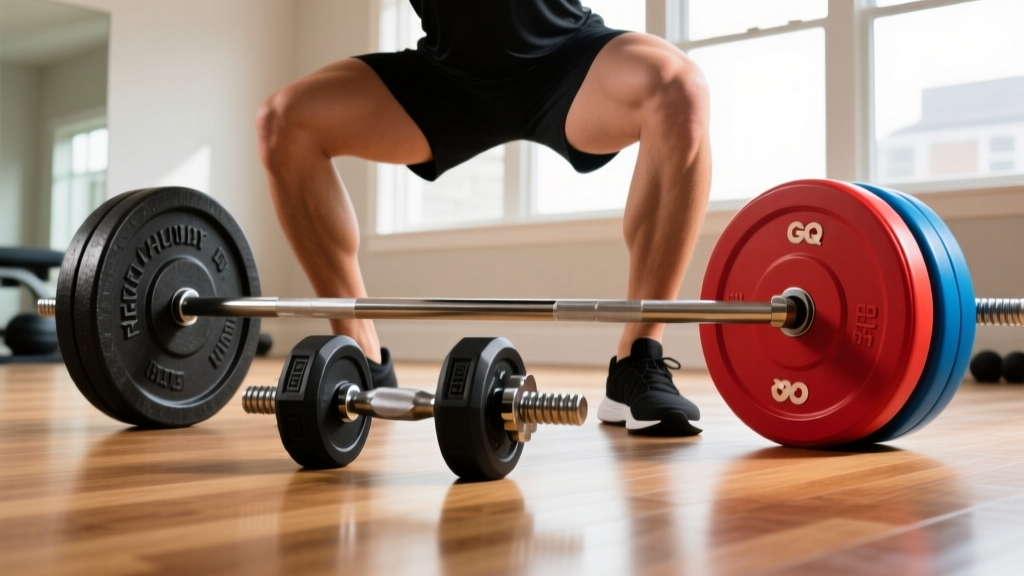
Bumper vs Iron Plates: Gear for Split Squats with One Dumbbell
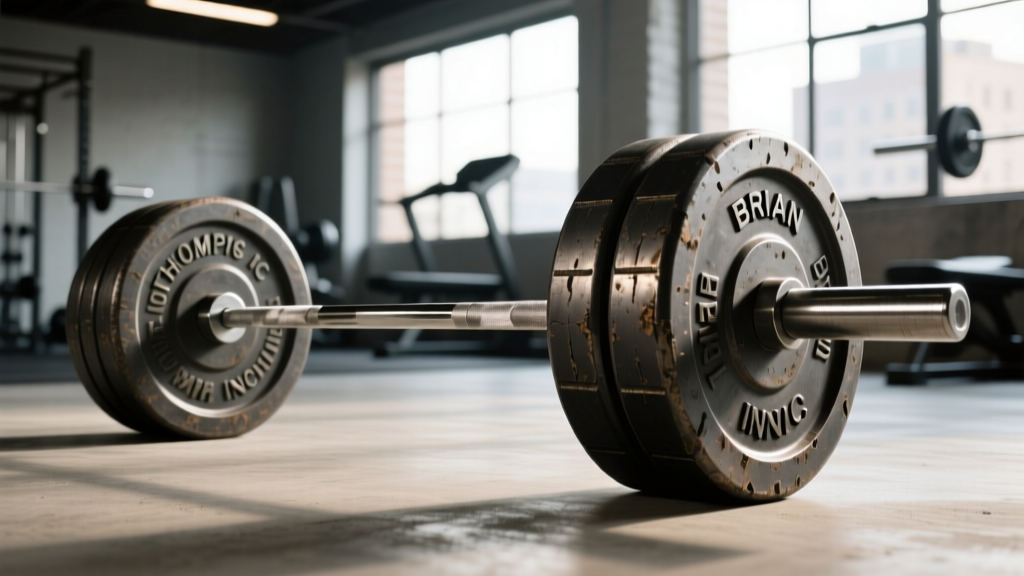
Olympic Barbell Buying Guide: Thomas Inch Dumbbell & Brian Shaw

Best Racks for Lower Body Workouts with Dumbbells: 2026 Trends
