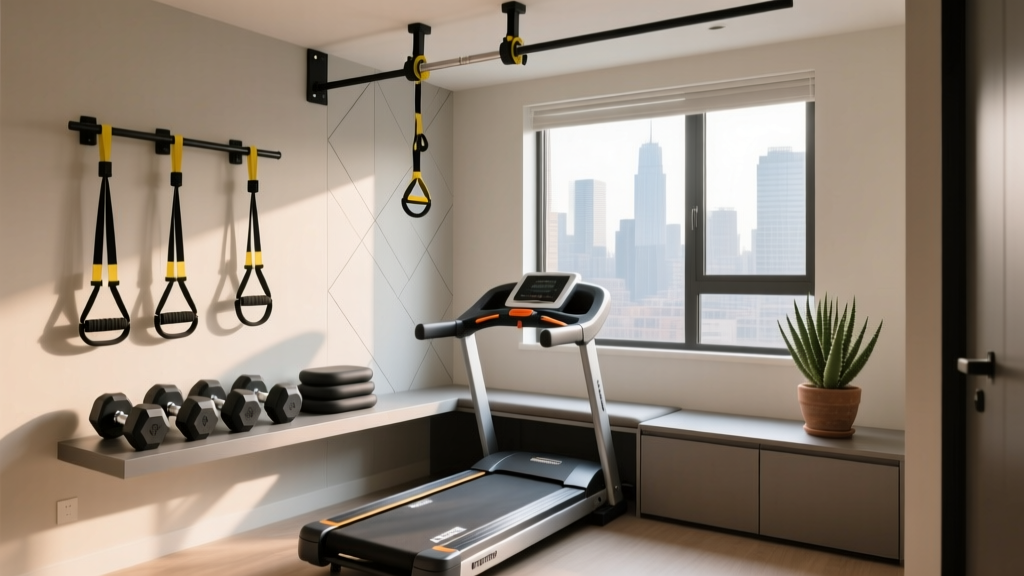
Smart Small Space Small Home Gym Ideas: Budget & Maintenance
Discover smart small space small home gym ideas that factor in long-term maintenance costs, equipment longevity, and realistic 2026 budget planning.

When exploring small space small home gym ideas, the immediate focus is almost always on square footage and upfront price tags. You measure the corner of your spare bedroom, find a folding rack that fits, and buy a set of adjustable dumbbells. But in 2026, the most financially savvy home gym builders are looking past the initial Capital Expenditure (CapEx) and focusing heavily on Operational Expenditure (OpEx)—specifically, maintenance care and equipment longevity.
A compact home gym is an investment in your health, but if you buy budget-tier equipment that requires constant part replacements, lubrication, or suffers from premature mechanical failure, your 'budget-friendly' setup will quickly cost more than a premium commercial-grade rig. This guide breaks down the true Total Cost of Ownership (TCO) for compact fitness equipment, providing a realistic maintenance budget and actionable longevity protocols to keep your small space gym running flawlessly for years.
The Hidden Costs of Compact Fitness Setups
In small apartment or bedroom gyms, equipment is subjected to unique stressors. Folding mechanisms are used daily, adjustable weight systems are constantly shifted, and compact cardio machines run in environments with poor airflow. According to fitness equipment maintenance guidelines highlighted by SELF, sweat corrosion, dust accumulation in small rooms, and repetitive folding hinge fatigue are the top three killers of compact home gym gear.
Most buyers allocate 100% of their budget to the initial purchase. However, a smart budget plan reserves a percentage for preventative maintenance. Failing to account for the cost of replacement selector pins, silicone belt lubricants, or heavy-duty lag bolts will result in a degraded workout experience and potentially dangerous equipment failures.
Total Cost of Ownership (TCO) Matrix: Cheap vs. Longevity
To illustrate how initial savings can lead to long-term losses, let us compare common small space small home gym ideas based on their 5-year TCO. This matrix highlights why spending slightly more upfront on low-maintenance designs is the ultimate budget hack.
| Equipment Category | Budget Pick (High OpEx) | Longevity Pick (Low OpEx) | 5-Year TCO Difference |
|---|---|---|---|
| Adjustable Dumbbells | Dial-System ($300) | Welded Steel Block ($280) | +$120 (Dial repairs/jamming) |
| Folding Power Rack | Drywall-Mount ($200) | Stud-Mount w/ Gas Shocks ($400) | -$200 (Safety/Durability) |
| Compact Walking Pad | Friction Belt ($150) | Lubricated DC Motor ($350) | +$200 (Motor burnout) |
Adjustable Dumbbells: Selector Pins vs. Welded Steel
Adjustable dumbbells are the holy grail of small space gyms, replacing up to 15 pairs of fixed weights. However, their internal mechanisms dictate their lifespan. The popular dial-system dumbbells (like the classic Bowflex SelectTech 552, retailing around $349) utilize complex internal plastic gears and metal selector pins. If sweat drips into the dial housing, or if the dumbbell is dropped on its end, the internal pins can bend or rust, causing the dial to jam. Replacing a broken dial mechanism costs between $80 and $120, plus shipping.
Conversely, welded steel block systems (like the PowerBlock Elite EXP, approx. $279) use a solid steel cage and a simple, heavy-duty steel selector pin. As noted in Wirecutter's extensive durability testing, block-style dumbbells lack fragile internal gears, making them virtually immune to the mechanical failures that plague dial systems. The maintenance cost over five years? Essentially zero.
Wall-Mounted Folding Racks: Hinge and Bolt Fatigue
Folding racks like the PRx Profile ONE ($395) or the Rogue RML-390F ($875) are brilliant for saving space. But the folding action introduces mechanical wear. The hinges and gas shocks require specific care. If you opt for a cheaper, unbranded folding rack from overseas marketplaces, you risk poor-quality welding on the hinge brackets and inferior lag bolts.
For longevity, your budget must include a digital torque wrench and high-quality white lithium grease. The 3/8-inch lag bolts securing the rack to your wall studs experience immense shear stress when you rack heavy barbells. These bolts must be torqued to 40 ft-lbs and checked every six months. Furthermore, the pivot points of the folding arms should be lubricated with white lithium grease annually to prevent metal-on-metal grinding, which eventually causes the hinge pins to snap under load.
The 2026 Maintenance Budget Breakdown
How much should you actually set aside for gym maintenance? Financial planners and fitness facility managers often use the '5% Rule' for commercial gyms, but for a home gym, a modified approach works best. You should allocate an annual maintenance budget equal to roughly 3% to 5% of your total initial equipment investment.
The 5% Rule for Annual UpkeepIf you spend $1,500 building your small space home gym, allocate $75 per year for your 'OpEx Fund'. This fund covers:
- 100% silicone treadmill lubricant ($15/year)
- Replacement resistance bands (UV/snap degradation) ($30/year)
- Microfiber towels and non-corrosive equipment wipes ($20/year)
- Replacement hardware or hinge grease ($10/year)
Compact Cardio: The Walking Pad Motor Killer
Under-desk treadmills and walking pads are incredibly popular small space small home gym ideas, but they have the highest failure rate of any compact equipment. The primary culprit is belt friction. Small DC motors (typically 1.0 to 2.0 HP in walking pads) draw excessive amperage when the walking belt dries out. This excess heat degrades the motor windings and eventually fries the control board.
According to the experts at The Treadmill Doctor, failing to lubricate a treadmill belt can increase motor amp draw by up to 30%, drastically shortening the machine's life. For a $250 walking pad used 5 hours a week, you must apply 100% pure silicone lubricant under the belt every 40 to 60 hours of use. Budget $15 a year for a high-quality silicone lube kit; it will save you from buying a new $250 motor every 18 months.
Step-by-Step Longevity Protocol for Small Spaces
To maximize the lifespan of your compact gear and keep your maintenance budget in the green, implement this strict care protocol. Small spaces tend to accumulate dust and trap humidity, which accelerates rust on cast iron and steel components.
- Daily (Post-Workout): Wipe down all knurled surfaces (barbells, dumbbell handles, pull-up bars) with a dry microfiber cloth to remove sweat salts. Sweat is highly corrosive and will cause surface rust on bare steel within 48 hours in a humid apartment.
- Monthly: Inspect all resistance bands for micro-tears and white stress marks, especially near the anchor points. UV light from windows degrades latex and TPE. Store bands in a dark drawer. Check the tension on folding rack gas shocks to ensure they still support the weight of the uprights safely.
- Bi-Annually: Apply 100% silicone lubricant to your walking pad or compact treadmill belt. Use a vacuum with a brush attachment to clear dust from the motor housing vents; compact cardio machines placed near the floor suck in massive amounts of dust and pet dander, causing overheating.
- Annually: Perform a full structural audit. Use a torque wrench to check all structural bolts on your folding rack and adjustable bench. Apply a drop of 3-in-One oil or white lithium grease to all moving hinge pins and bench adjustment pop-pins to ensure smooth operation and prevent metal galling.
FAQ: Budgeting for Wear and Tear
Is it cheaper to buy fixed dumbbells instead of adjustable ones for longevity?
Fixed hex dumbbells (urethane-coated) have a near-infinite lifespan and zero maintenance costs. However, in a small space, storing 10 pairs of fixed dumbbells requires a massive, expensive rack and eats up 15+ square feet of floor space. The space-saving utility of adjustable dumbbells far outweighs the minor maintenance costs, provided you buy a welded-steel block design rather than a fragile dial system.
How do I protect my floors without spending a fortune on rubber tiles?
Premium 3/8-inch vulcanized rubber horse stall mats cost about $50-$60 per 4x6 sheet and will literally outlast your home. Cheaper interlocking EVA foam tiles ($20 for a pack of 6) will compress permanently under the point-load of a folding rack or heavy dumbbells within six months, requiring replacement. Buy one or two high-density stall mats and place them only under your primary lifting zone to optimize your budget.
Final Thoughts on Smart Budgeting
Building a functional, space-saving home gym is about more than just finding gear that fits in a closet. By integrating maintenance care and longevity into your initial budget planning, you protect your investment and ensure your equipment is safe and ready whenever you are. The best small space small home gym ideas are those that balance spatial efficiency with mechanical resilience, proving that true budget-friendliness is measured in years of reliable use, not just the checkout cart total.
More gear to consider
All reviews
How to Match a Blanket with a Trigger: A Practical Guide for Home Gym Spaces

Home Gym Renovation Cost: Complete Budget Breakdown 2026

Dual-Purpose Home Office Gym: 6 Setup Mistakes to Avoid

Beginner Home Gym Essentials: A Real-World Comparison of Must-Have Equipment for Small Spaces and Tight Budgets

How To Repair Compression: A Practical Guide for Home Gym Flooring, Foam Rollers, and Resistance Bands
