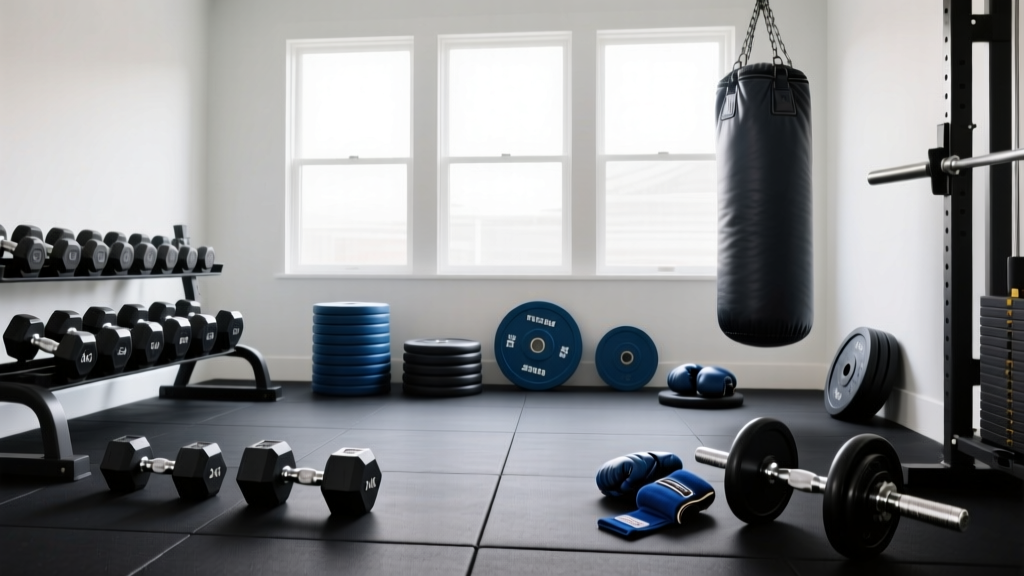
Designing a Small Space Starter Kit Around the Vectra C1 Home Gym
Build the ultimate beginner home gym starter kit in tight spaces. Learn space optimization layouts centered around the compact Vectra C1 home gym.

The Small-Space Dilemma for Beginners
When building an essential home gym starter kit, beginners often fall into the trap of mimicking commercial gym layouts. They purchase massive power racks, dedicated lat pulldown machines, and bulky cable crossovers, only to realize their 10x10 spare bedroom or single-car garage corner cannot accommodate the footprint. In 2026, with urban living spaces shrinking and multi-use rooms becoming the norm, space optimization is no longer a luxury; it is the primary constraint in home gym design.
To build a truly functional, space-efficient beginner starter kit, you must abandon the 'one machine per movement' philosophy. Instead, the modern micro-gym requires a high-density centerpiece that consolidates multiple movement patterns into a single, compact footprint. This is where strategic layout design meets intelligent equipment selection.
The Centerpiece: Vectra C1 Home Gym
For the space-constrained beginner, the Body-Solid Vectra C1 Home Gym represents the pinnacle of spatial efficiency. Unlike traditional selectorized machines that lock you into a fixed, single-plane path of motion, the Vectra C1 operates as a compact dual-pulley functional trainer. It effectively replaces a functional trainer, a lat pulldown station, a seated row, and a cable crossover, condensing roughly 45 square feet of commercial equipment into a mere 14.5 square feet.
Vectra C1 Quick Specs & Spatial Data
- Dimensions: 39' W x 53' D x 82' H
- Footprint: 14.5 sq. ft.
- Weight Stacks: Dual 160 lb. selectorized stacks (320 lbs total)
- Pulley System: 20:1 ratio dual-pulley system for smooth biomechanical tracking
- Average 2026 Market Price: $2,699 - $2,899
By anchoring your starter kit around the Vectra C1, you eliminate the need for a sprawling power rack and separate cable towers. This frees up critical floor space for free movement, stretching, and complementary equipment.
The Essential Space-Optimized Starter Kit
A functional trainer alone does not make a complete gym. To round out your beginner kit without sacrificing your newly reclaimed floor space, you must select complementary gear that prioritizes modularity and collapsibility. Below is the exact equipment matrix required to complete a Vectra C1-centric layout.
| Equipment Category | Recommended Model | Spatial Footprint | Estimated Cost |
|---|---|---|---|
| Adjustable Dumbbells | Nuobell 80 lb. Set | 1.5 sq. ft. (replaces 15 pairs) | $749 |
| Folding FID Bench | Rep Fitness AB-3100 2.0 (Folding) | 6 sq. ft. (stores flat at 8' tall) | $399 |
| Flooring | 3/4' Vulcanized Horse Stall Mats (4x6) | Custom cut to zone | $55 per mat |
| Mobility / Warmup | TRX GO Suspension Trainer | 0 sq. ft. (mounts to Vectra frame) | $169 |
Why This Specific Kit?
The Nuobell dumbbells utilize a dial-and-lock mechanism that keeps the center of gravity identical to traditional iron, avoiding the bulky, elongated handles found on older adjustable models that can interfere with cable machine clearance. The folding FID (Flat/Incline/Decline) bench is non-negotiable; when you are done with your pressing movements, you fold it and slide it into the 4-inch gap between the Vectra C1's main upright and the wall.
Blueprint: Laying Out a 10x10 Footprint
According to safety and spatial guidelines outlined by the American Council on Exercise (ACE), adequate clearance around resistance equipment is vital to prevent joint impingement and equipment damage. When designing your layout, you must account for the 'cable pull radius'—the maximum distance the Vectra C1's cables can extend during unilateral movements like cable woodchoppers or walking lunges.
- Zone 1: The Anchor (Back Wall). Place the Vectra C1 flush against the primary load-bearing wall. Ensure the 82-inch height clears your ceiling. Warning: If you are in a basement with drop-ceilings or HVAC ductwork, measure carefully. The C1 requires a strict 84-inch vertical clearance to safely load and unload weight stack pins at the top of the carriage.
- Zone 2: The Active Radius (Front 48 Inches). Keep the 48 inches directly in front of the machine completely devoid of permanent fixtures. This is your functional training zone. Lay down two 4x6 horse stall mats here to protect your subfloor from dropped adjustable dumbbells and to provide a non-slip surface for cable-resisted lunges.
- Zone 3: The Lateral Storage (Sides). The Vectra C1 is 39 inches wide. Leave exactly 12 inches of clearance on the left and right sides of the machine. This allows you to walk around the unit for maintenance, lubricate the guide rods, and access the weight stacks without scraping your knuckles against adjacent walls.
- Zone 4: The Bench Garage. Position your folding FID bench on the right side of the active radius during use. When finished, collapse the bench and stand it vertically in the 12-inch lateral clearance zone mentioned above, or slide it under a nearby desk or bed if the room is multi-purpose.
'The most common mistake beginners make in small-space gym design is measuring the static footprint of the machine while ignoring the dynamic footprint of the human body. A machine might only take up 14 square feet, but a 6-foot-tall user performing a cable lateral raise requires an additional 25 square feet of unobstructed wingspan.'
Critical Failure Modes and Edge Cases
Even with a meticulously planned layout, small-space home gyms are prone to specific environmental and mechanical failure modes. Anticipating these will save you hundreds of dollars and hours of frustration.
1. The Subfloor Leveling Issue
Selectorized machines like the Vectra C1 rely on gravity-fed weight stacks sliding on steel guide rods. If your garage or basement floor has a slope of more than 1/4 inch over 4 feet (common in residential concrete slabs designed for water runoff), the weight stacks will bind, causing the cables to fray prematurely. The Fix: Use composite plastic shims under the rear leveling feet of the Vectra C1 before tightening the floor anchors. Do not rely on the rubber flooring to correct structural slopes.
2. Door Swing Interference
In spare bedrooms and converted offices, doors typically swing inward. A standard interior door requires a 32-inch swing radius. If your active cable zone overlaps this arc, you risk the door striking the adjustable dumbbell rack or the bench during a set. Map your door swing on the floor with painter's tape before finalizing the mat placement.
3. HVAC and Ventilation Constraints
High-density functional training in a 10x10 room generates significant ambient heat and humidity. Without proper airflow, sweat will accumulate on the Vectra C1's aircraft-grade steel cables, accelerating oxidation and rust, even on nylon-coated variants. Install a simple, wall-mounted oscillating fan directed at the machine's pulleys and weight stacks to ensure continuous air circulation and moisture evaporation.
Final Thoughts on Space Optimization
Building an essential home gym starter kit is not about buying the cheapest equipment; it is about maximizing the utility of every square inch you possess. By anchoring your layout around the Vectra C1 Home Gym, you secure a commercial-grade, multi-vector resistance system that respects the physical boundaries of your home. Pair it with modular free weights, collapsible benches, and precise spatial zoning, and you will have a 2026-ready training facility that punches far above its weight class without overwhelming your living space.
More gear to consider
All reviews
Are Horse Stall Mats Good for Home Gym Setups? Care & Longevity

Beyond the Garage: Practical Space Alternatives for Home Gym Setup When Square Footage Is Limited
Build a Home Gym Shed for Couples: 2026 Expert Gear Review
Electrical Mistakes to Avoid When You Convert Garage to Home Gym

Sam Sulek Home Gym in a Rental: No-Damage Mistakes to Avoid