
Centr 3 Home Gym Functional Trainer: Rental Setup Mistakes
Avoid costly deposit deductions. Learn the top setup mistakes and no-damage troubleshooting tips for the Centr 3 home gym functional trainer in rentals.

The High-Stakes Reality of Premium Apartment Gyms
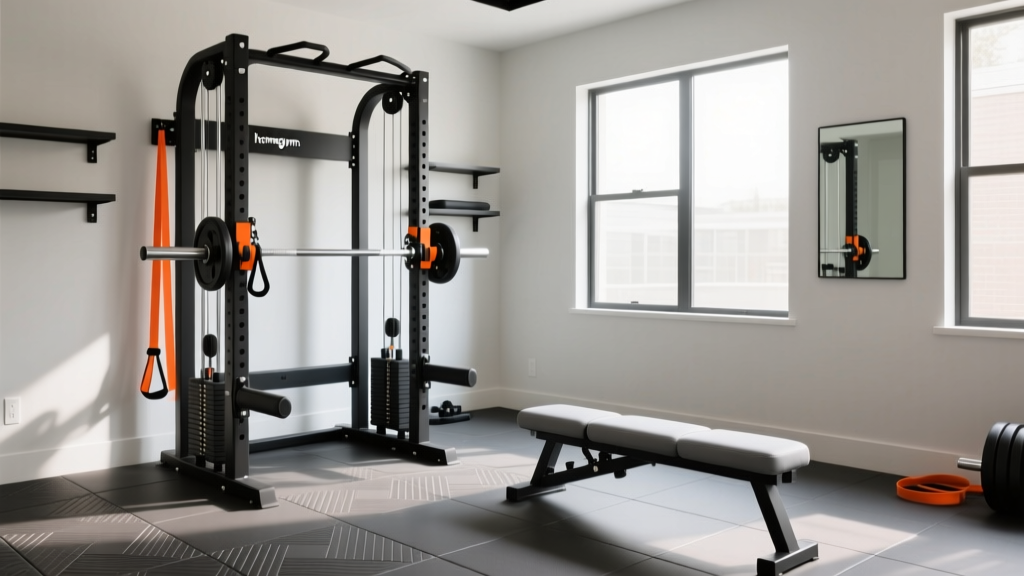
Investing in a premium setup like the centr 3 home gym functional trainer is a game-changer for your fitness routine. With its dual adjustable pulleys (DAPs), commercial-grade weight stacks, and sleek aesthetics, it brings elite training capabilities into your living space. However, if you are renting an apartment, installing a 400+ pound steel machine with dynamic cable-pull forces introduces severe structural and acoustic challenges. In 2026, with average U.S. security deposits hovering around $1,500 to $2,500, a single installation mistake can result in total deposit forfeiture or even eviction for lease violations.
This troubleshooting guide dissects the most common mistakes renters make when setting up heavy functional trainers and provides exact, actionable engineering solutions to protect your floors, walls, and neighborly relations.
⚠️ Lease Clause Warning: Before unboxing, review your lease for clauses regarding "structural alterations," "excessive dead loads," and "impact noise." Most standard residential leases prohibit drilling into wall studs or exceeding 40-50 pounds per square foot (PSF) of concentrated floor load without prior written consent.Mistake 1: Ignoring Point-Load Weight Limits
The most critical error renters make is assuming their apartment floor can handle the Centr 3 simply because the total weight is under 1,000 pounds. Building codes generally require residential floors to support a uniform live load of 40 PSF, but they are highly vulnerable to point loads (concentrated weight on small surface areas).
The base feet of a fully loaded functional trainer exert massive downward pressure. If the machine weighs 450 lbs and rests on four 2x2 inch rubber feet, the point load exceeds 112 PSI. Over time, this will permanently dent luxury vinyl plank (LVP), crack hardwood, or even compromise the subfloor joists below.
The Fix: The Structural Sandwich Subfloor
Do not rely on standard 3/4-inch horse stall mats. You must spread the point load across a wider surface area to trick the floor into registering it as a uniform load. According to structural guidelines outlined by the American Wood Council and architectural standards, distributing weight across a 4x6 foot area reduces the PSF to safe levels.
- Base Layer: 1/2-inch high-density acoustic underlayment (cork or recycled rubber) to prevent the wood from scratching the rental floor.
- Core Layer: 3/4-inch tongue-and-groove CDX plywood (cut to a 5x7 foot footprint). Screw the plywood sheets together, but never into the apartment floor.
- Top Layer: 8mm, 80A-durometer virgin rubber gym tiles. This provides grip for the machine base and absorbs micro-vibrations.
Mistake 2: Wall-Mounting the DAPs Without a Freestanding Conversion
The centr 3 home gym functional trainer often features wall-mountable pulley brackets to save floor space. Renters frequently use heavy-duty toggle bolts or lag screws directly into drywall and studs. This constitutes a "permanent alteration" and will leave massive holes that require professional patching, sanding, and repainting—guaranteeing a deduction from your security deposit.
Troubleshooting the Wall-Mount Dilemma
If your landlord strictly forbids wall drilling, you must convert the machine to a freestanding configuration or use a tension-based mounting system.
- Freestanding Upright Conversion: Purchase heavy-duty 3x3 inch steel uprights with a bolt-on base plate. Bolt the DAP brackets directly to these uprights instead of the wall. Secure the base plate to your plywood subfloor using T-nuts (inserted from the bottom of the plywood) so no screws penetrate the apartment's actual flooring.
- Ballast Weighting: Because you aren't lagging into wall studs, the uprights will tip forward during heavy lat pulldowns. You must add minimum 150 lbs of ballast (sandbags or bumper plates) to the rear storage pegs of the upright base to counteract the cable tension.
Mistake 3: Failing to Decouple Cable Vibration and Impact Noise
When you release a heavy cable handle or when the weight stack drops, the kinetic energy travels down the steel guide rods, into the machine frame, through the floor, and directly into the ceiling of your downstairs neighbor. Standard rubber mats only absorb airborne noise; they do virtually nothing to stop low-frequency structural impact noise.
"Impact Insulation Class (IIC) ratings measure a floor-ceiling assembly's ability to block impact sound. A standard apartment floor has an IIC of roughly 45-50. Dropping a 20lb weight stack can generate transient impacts that easily penetrate this threshold, causing immediate noise complaints." — Soundproof Cow Acoustic Guidelines
The Fix: Sorbothane Isolation and Guide Rod Dampening
To achieve a true "no-damage, no-complaint" setup, you must mechanically decouple the machine from your structural sandwich floor.
- Base Isolation: Place 1/2-inch thick Sorbothane isolation pads (Shore 50A durometer) under every contact point of the machine's base frame. Sorbothane is a viscoelastic polyurethane that absorbs up to 94.7% of kinetic vibration, converting it into trace amounts of heat.
- Weight Stack Bumpers: Open the weight stack housing and install high-density silicone bumpers at the base of the guide rods. This eliminates the sharp "metal-on-metal" clack when the stack returns to the resting position, which is the primary trigger for neighbor complaints.
Flooring Comparison Matrix: What Actually Works?
Not all flooring is created equal when dealing with heavy functional trainers. Use this matrix to avoid buying the wrong materials.
| Material Type | Thickness | Point Load Protection | Verdict for Rentals |
|---|---|---|---|
| Interlocking EVA Foam | 1/2 inch | Poor (Compresses permanently) | ❌ Avoid Completely |
| Standard Horse Stall Mat | 3/4 inch | Moderate (Can dent LVP over time) | ⚠️ Use Only Over Plywood |
| Structural Sandwich (Plywood + Rubber) | 1.5+ inches | Excellent (Spreads load over 30+ sq ft) | ✅ Highly Recommended |
| Sorbothane Pads + Plywood | 2+ inches | Superior (Load spreading + Vibration kill) | ✅ Elite / Multi-Story Apt |
Step-by-Step: The Zero-Damage Installation Protocol
Follow this exact sequence to ensure your setup is safe, lease-compliant, and easily reversible when it is time to move out.
- Document the Space: Take timestamped, high-resolution photos of the installation area (floors, baseboards, and walls) before bringing any equipment inside. Email these to your landlord to establish a baseline condition.
- Lay the Vapor Barrier: Roll out a 6-mil polyethylene plastic sheeting. This prevents the plywood from trapping moisture against the apartment floor, which could cause hardwood to warp or laminate to mold.
- Assemble the Subfloor: Lay your 3/4-inch plywood sheets. Join them using mending plates and wood screws on the top surface only. Ensure no screw heads protrude from the bottom.
- Apply the Acoustic Layer: Glue your 8mm rubber tiles to the top of the plywood using a temporary, water-soluble adhesive (like liquid starch or specialized removable flooring tape) so you can dismantle it later without destroying the wood.
- Position and Isolate: Move the Centr 3 frame onto the rubber. Place your Sorbothane pads under the base feet. Bolt the machine together using nylon-insert lock nuts to prevent loosening from cable vibrations.
- Test the Tension: Perform 10 heavy lat pulldowns and 10 heavy cable rows. Check the uprights for tipping and listen for structural squeaks. Add rear ballast if necessary.
Frequently Asked Questions (FAQ)
Can my landlord legally evict me for having a heavy functional trainer?
Generally, no, provided you are not violating specific noise ordinances or causing structural damage. However, if you drill into load-bearing walls or create a nuisance (excessive noise) that violates the "quiet enjoyment" clause of neighboring tenants, you can be served a cure-or-quit notice. According to tenant rights guidelines on Nolo, landlords must prove actual damage to withhold deposits, so your zero-damage subfloor protocol is your best legal defense.
Will the Centr 3 weight stack rust if placed near an apartment window?
Yes. If you live in a high-humidity coastal city and place the machine near a poorly insulated window, condensation can form on the steel guide rods and weight plates. Wipe down the guide rods monthly with a silicone-based lubricant (like WD-40 Specialist Silicone) to prevent micro-rust, which degrades the smooth carriage bearing action.
How do I hide the machine when not in use to comply with HOA or lease aesthetics?
Use a heavy-duty, custom-fitted canvas equipment cover. Not only does this hide the industrial look of the weight stacks, but it also prevents dust accumulation in the cable pulley housings, which is a leading cause of premature fraying in DAP systems.
More gear to consider
All reviews
How to Maintain Your Murphy Bed Home Gym for Longevity

Body Solid Powerline PHG1000X Home Gym Garage Setup Mistakes & Fixes
Home Gym Maintenance vs. Modern Trends: What Actually Lasts and What’s Just Flashy?

Compact Home Gym Construction: 2026 Foldable Setups
Hack Squat Alternative Home Gym: Complete Setup Guide
