Wide Grip Row Dumbbells vs Barbell: Olympic vs Standard Plates
Troubleshoot your back day setup. We compare Olympic vs standard weight plates and how they impact barbell rows and wide grip row dumbbells clearance.

The Anatomy of a Pulling Ecosystem: Why Your Plate Choice Matters
Building a comprehensive home gym for back day requires more than just buying the heaviest iron you can find. It requires a cohesive equipment ecosystem. Many lifters make a critical error when outfitting their garage gyms: they purchase cheap standard weight plates for their barbell, then attempt to supplement their heavy compound pulls with isolation movements using mismatched gear. This leads to severe troubleshooting bottlenecks, particularly when alternating between heavy barbell bent-over rows and targeted accessory work like wide grip row dumbbells.
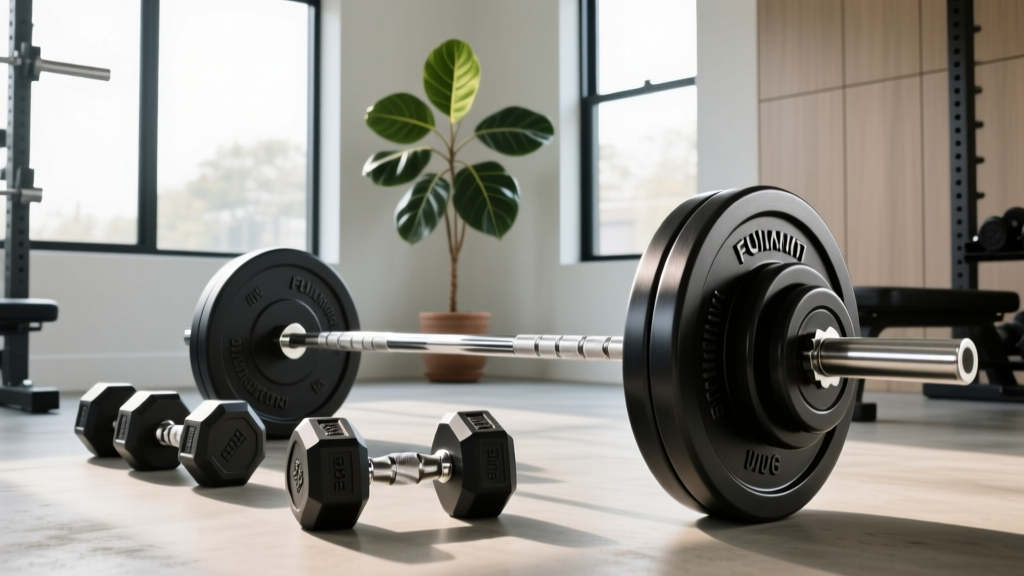
The debate between weight plate types Olympic vs standard is not merely about the size of the center hole. It dictates your barbell whip, your dumbbell sleeve clearance, your floor protection, and ultimately, your biomechanical efficiency. In this 2026 troubleshooting guide, we will dissect the common mistakes lifters make when mixing standard and Olympic equipment, specifically analyzing how plate profiles affect your compound pulls and the anatomical clearance required for wide grip row dumbbells.
Standard vs. Olympic Plates: The Core Specifications
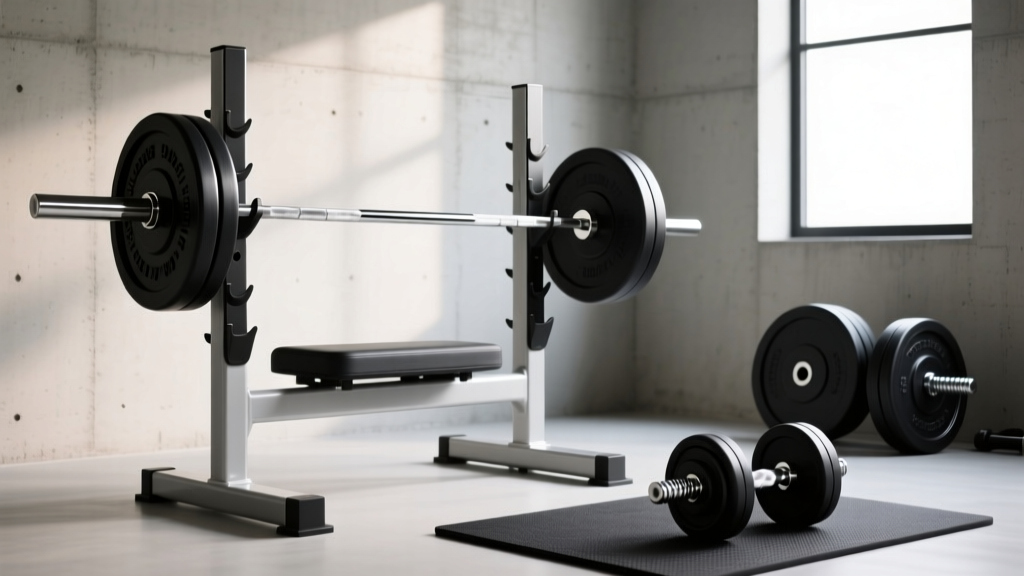
Before troubleshooting your form and equipment clashes, you must understand the physical limitations of your iron. Standard plates are typically designed for casual, light-duty home gyms, while Olympic plates are engineered for high-load, commercial-grade performance. According to comprehensive equipment analyses by Garage Gym Reviews, the differences extend far beyond the 1-inch versus 2-inch sleeve diameter.
| Feature | Standard Cast Iron Plates | Olympic Cast Iron / Urethane Plates | Impact on Pulling Movements |
|---|---|---|---|
| Center Hole | 1.03 inches | 1.97 inches (Standard 2-inch sleeve) | Olympic prevents sleeve wobble during heavy bent-over rows. |
| Plate Profile (Width) | Thicker, wider per pound | Denser, thinner profile (especially urethane) | Thinner Olympic plates allow better torso clearance for dumbbell rows. |
| Weight Calibration | Often off by 5-10% | Calibrated within 1-2% tolerance | Accurate weight is crucial for progressive overload tracking. |
| Max Load Capacity | ~300 lbs (Barbell limit) | 1,500+ lbs (Barbell limit) | Standard bars will permanently bend under heavy Pendlay rows. |
| Avg. Cost per Pound (2026) | $1.00 - $1.50 / lb | $2.00 - $4.50 / lb | Olympic requires higher upfront investment but eliminates replacement costs. |
Troubleshooting the Wide Grip Row Dumbbells Clearance Issue
The wide grip row dumbbells exercise is a highly effective movement for targeting the rhomboids, rear deltoids, and mid-traps. Unlike a traditional neutral-grip dumbbell row where the elbows pull straight back toward the hips, the wide grip variation requires the lifter to hinge at the hips and pull the dumbbells out to the sides in a wide, sweeping arc. This biomechanical path demands significant spatial clearance between the weight and your torso.
⚠️ COMMON MISTAKE: Torso Interference with Standard PlatesIf you are using plate-loaded dumbbell handles with standard 1-inch plates (such as a 14-inch CAP Barbell standard handle), you will quickly run into a physical roadblock. Standard 10lb and 25lb cast iron plates have a disproportionately wide and thick profile. When you attempt the wide arc of the wide grip row dumbbells, the thick outer edges of standard plates will physically clash with your ribcage or thighs at the top of the concentric phase, severely limiting your range of motion and ruining the muscle contraction.
The Fix: Olympic Loadable Handles or Compact Adjustables
To troubleshoot this clearance issue, you have two primary options in the current market:
- Upgrade to Olympic Loadable Dumbbell Handles: Handles like the Rogue Loadable Dumbbell Handles (priced around $175 per pair) feature 2-inch sleeves. When paired with Olympic urethane plates (which are remarkably thin and dense), you can load up to 60-80 lbs per hand while maintaining a narrow overall dumbbell profile. This allows the wide arc of the wide grip row dumbbells to clear your torso completely.
- Switch to Block-Style Adjustable Dumbbells: If you want to abandon plate-loaded dumbbells entirely for this movement, block-style adjustables like the Nuobell 80s (approx. $379/pair) offer a compact, square profile that mimics a fixed rubber hex dumbbell, guaranteeing zero plate-interference during wide lateral pulling arcs.
Barbell Row Failures: Sleeve Wobble and Bumper Bounce
While dumbbells require spatial clearance, barbell rows require absolute stability. As detailed in the biomechanics guides on BarBend, the bent-over barbell row places immense shear force on the lumbar spine and demands a rigid center of gravity. Mixing standard plates into this equation introduces two major failure modes.
Failure Mode 1: The 1-Inch Sleeve Wobble
Standard barbells and dumbbell handles use a 1-inch sleeve with a simple threaded collar or spring clip. When you load 135 lbs or more for heavy barbell rows, the tolerances between the standard plate's 1.03-inch hole and the bar's 1-inch sleeve create micro-wobbles. During the eccentric lowering phase of a bent-over row, this wobble shifts the barbell's center of gravity by fractions of an inch, forcing your erector spinae and core stabilizers to overcompensate. This leads to premature lower back fatigue before your lats are fully stimulated.
Failure Mode 2: The Bumper Plate Bounce on Pendlay Rows
The Pendlay row requires the barbell to come to a complete, dead stop on the floor between every single rep. A common mistake is using standard rubber-coated plates or low-quality Olympic bumper plates for this movement. When the bar hits the floor, the thick rubber compresses and rebounds, creating a "bounce" effect. This bounce robs you of the zero-momentum start that makes the Pendlay row so effective for explosive concentric power.
Pro-Tip: If you must use bumper plates for floor rows, invest in Crumb Rubber or Urethane Olympic plates. As noted by Rogue Fitness in their equipment specifications, high-density urethane plates have a dead-bounce coefficient that is nearly zero, ensuring the bar stays glued to the floor until you initiate the pull.
Step-by-Step Home Gym Upgrade Framework
If you are currently trapped in a standard plate ecosystem and want to fix your pulling mechanics, follow this phased troubleshooting framework to upgrade your gear without wasting money.
Phase 1: Audit Your Current Inventory
Measure your current plates. If you are using cement-filled vinyl standard plates, dispose of them immediately. They are wildly miscalibrated, take up too much sleeve space, and pose a severe safety risk during heavy rows. Keep your cast iron standard plates only as a temporary stopgap or for light accessory work.
Phase 2: Invest in the Anchor (The Olympic Barbell)
Do not buy Olympic plates until you have a proper Olympic barbell. A standard barbell will bend permanently if you attempt heavy rows with Olympic iron. Purchase a high-tensile strength barbell with a 190k+ PSI rating (such as the Ohio Power Bar). This ensures the bar will not whip or deform when you are bent over at a 45-degree angle holding 300+ lbs.
Phase 3: Acquire Thin-Profile Olympic Iron
For the best wide grip row dumbbells clearance and barbell row stability, prioritize machined cast iron or urethane grip plates over thick rubber bumpers. Urethane plates offer the thinnest profile on the market, allowing you to load massive weight onto barbell sleeves and dumbbell handles without running out of physical sleeve space. Expect to spend between $2.50 and $3.50 per pound for high-quality urethane plates in 2026.
Phase 4: Standardize Your Collars
Ditch the cheap spring clips. When performing bent-over rows, a loose plate shifting on the sleeve can cause a catastrophic loss of balance. Invest in locking aluminum barbell collars (like HG Lock-Jaws, approx. $25/pair) to lock your Olympic plates flush against the sleeve lip, eliminating all lateral movement during the row.
Final Verdict: Cohesion is King
The debate between weight plate types Olympic vs standard is ultimately a question of biomechanical integrity. Standard plates simply cannot support the mechanical demands of advanced pulling variations. When you attempt wide grip row dumbbells with thick, clunky standard plates, you sacrifice range of motion and risk torso interference. When you attempt heavy barbell rows with loose-fitting standard iron, you sacrifice stability and risk lower back injury.
By standardizing your home gym around the 2-inch Olympic ecosystem—specifically utilizing thin-profile urethane or machined iron plates—you guarantee perfect sleeve fitment, optimal dumbbell clearance, and a dead-stable center of gravity. Stop troubleshooting your form when the real issue is your iron. Upgrade your plates, lock in your collars, and pull with absolute precision.
More gear to consider
All reviews
Adjustable Dumbbell Setup: Single Arm Dumbbell Row Benefits

One Dumbbell Shoulder Press: Adjustable Dumbbell Review & Mistakes

Olympic vs Standard Plates: Racks & Dumbbell Pullover Machine Guide

EZ Curl vs Straight Bar: How Heavy Are the Dumbbells You Lift? (Season 2)
EZ vs Straight Bar Footprint & Dumbbell Halo Exercise Space Hacks