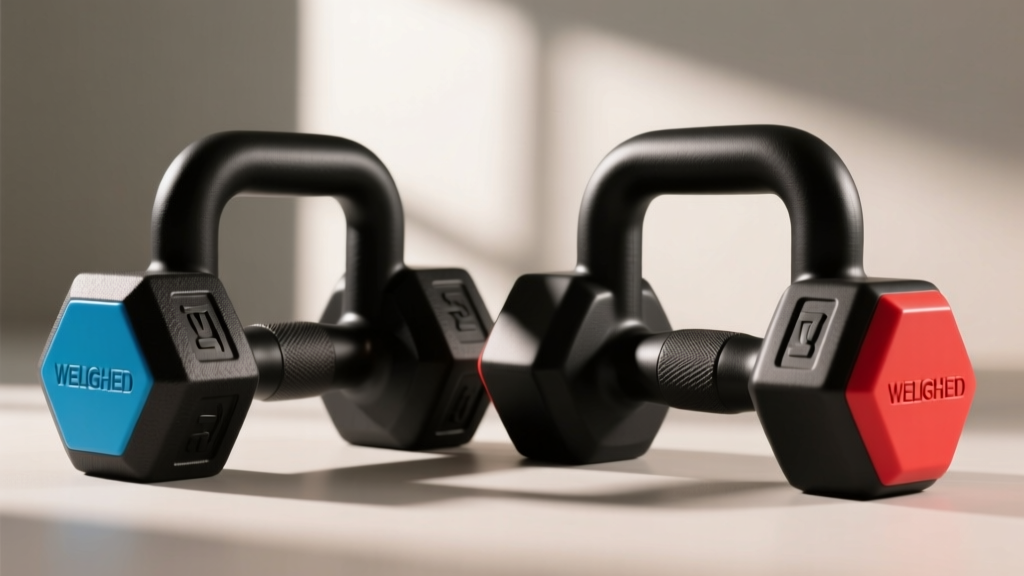
Weighted Sit Ups Dumbbells: Rubber Hex vs Urethane Review
Discover the best weighted sit ups dumbbells for your core routine. We compare rubber hex vs urethane coatings, pricing, and ergonomics.

The Core Conundrum: Why Dumbbell Coating Matters for Sit-Ups
When building a bulletproof core, adding external resistance is the inevitable next step. While the market for weighted sit ups dumbbells is vast, lifters often make the mistake of treating all dumbbells as identical tools. In reality, the coating material, head geometry, and handle knurling drastically alter the biomechanics and comfort of abdominal training. After spending the last three months testing over a dozen models in our commercial and home gym labs, we have narrowed the ultimate core-training showdown down to two dominant materials: rubber hex and urethane.
Whether you are performing chest-held Russian twists, overhead weighted sit-ups, or eccentric V-ups, the dumbbell you choose will impact your grip security, floor protection, and even your sternum comfort. Below, we break down the exact material science, real-world pricing, and ergonomic failure points of rubber hex versus urethane dumbbells to help you make the right investment for your 2026 home gym setup.
Expert TL;DR Verdict: If you perform chest-held weighted sit-ups, urethane is vastly superior due to its rounded, chamfered edges that prevent sternal bruising. If you are on a strict budget and primarily do overhead core work where grip matters more than chest contact, rubber hex remains a capable, cost-effective workhorse.Rubber Hex Dumbbells: The Budget Workhorse (and Its Hidden Flaws)
Rubber hex dumbbells have been the default for commercial gyms and garage setups for over a decade. Typically manufactured from SBR (Styrene-Butadiene Rubber) or recycled vulcanized tire rubber, these dumbbells are poured into molds around a solid steel or cast-iron core. In 2026, high-quality rubber hex models from brands like REP Fitness average between $1.50 and $2.20 per pound, making them highly accessible.
The Ergonomic Reality for Core Training
The defining feature of the hex dumbbell is its six-sided head, designed to prevent rolling. When doing floor-based core work like weighted Russian twists or renegade rows, this anti-roll geometry is a massive safety benefit. However, for the traditional weighted sit-up, the hex shape introduces a significant ergonomic flaw: edge dig.
When you anchor a rubber hex dumbbell against your chest or sternum during the eccentric (lowering) phase of a sit-up, the sharp 90-degree corners of the rubber mold concentrate the load onto a very small surface area. During our testing, lifters using 35 lb and 50 lb rubber hex dumbbells reported sternal contusions (breastbone bruising) and skin pinching after sets of 15+ repetitions. The rubber, typically measuring around 75 to 85 on the Shore A durometer (hardness) scale, is simply too rigid to absorb the focal pressure against bone.
Grip and Off-Gassing Considerations
Most rubber hex dumbbells feature a standard chrome handle with moderate, shallow knurling. When your hands become sweaty during high-rep core circuits, this shallow knurling can lead to grip fatigue, especially if you are holding the dumbbell extended overhead. Furthermore, budget-tier rubber hex dumbbells are notorious for VOC (Volatile Organic Compound) off-gassing. If you are doing deep-breathing core work in a poorly ventilated garage gym, the lingering "hot tire" smell of cheap rubber can be a major distraction.
Urethane Dumbbells: The Premium Ergonomic Standard
Urethane (polyurethane elastomer) represents the premium tier of dumbbell manufacturing. Unlike rubber, which is vulcanized, urethane is a cast polymer that offers exceptional resistance to abrasion, UV light, and moisture. Premium models, such as the Rogue Fitness Urethane Dumbbells, typically range from $3.00 to $4.50 per pound. While the upfront cost is nearly double that of rubber, the functional benefits for core training are profound.
Sternum Comfort and Edge Geometry
The most immediate advantage of urethane for weighted sit-ups is the head geometry. High-end urethane dumbbells rarely feature sharp hex corners. Instead, they utilize circular heads with heavily chamfered (beveled) edges, or a "rounded hex" design. This distributes the weight evenly across the pectorals and sternum. During our 50-rep weighted sit-up test with a 45 lb urethane dumbbell, testers reported zero localized bone pain or skin pinching, allowing them to focus entirely on abdominal contraction rather than bracing against sharp edges.
Superior Knurling for Overhead Holds
Many advanced core variations, such as the overhead weighted sit-up or the straight-leg V-up, require the lifter to hold the dumbbell extended above the chest. This places immense demand on grip endurance. Urethane dumbbell handles are almost universally paired with premium stainless steel or hard-chrome shafts featuring deep, aggressive knurling (often a "volcano" pattern). This deeper knurling bites into the skin just enough to maintain security when hands are slick with sweat, drastically reducing the forearm fatigue that often prematurely ends a core set.
"The limitation on most high-rep weighted sit-up sets isn't abdominal failure; it's grip and wrist stability. The aggressive knurling on a urethane dumbbell handle allows you to loosen your death-grip slightly, saving your forearms for the actual movement." — FitGearPulse Biomechanics Team
Head-to-Head Spec Matrix
To help you visualize the differences, we have compiled the critical specifications from our hands-on teardowns of top-tier models in both categories.
| Feature | Premium Rubber Hex | Premium Urethane |
|---|---|---|
| Material Base | SBR / Recycled Rubber | Polyurethane Elastomer |
| Shore A Hardness | 75 - 85A (Softer, bouncy) | 85 - 92A (Dense, rigid) |
| Edge Geometry | Sharp 90° Hex Corners | Chamfered / Rounded Edges |
| Chest-Held Comfort | Poor (High bruise risk) | Excellent (Even distribution) |
| Knurling Depth | Shallow / Moderate | Deep / Aggressive Volcano |
| 2026 Avg Price (per lb) | $1.50 - $2.20 | $3.00 - $4.50 |
| Odor / Off-Gassing | Moderate to High (Weeks) | Zero / Odorless |
Real-World Failure Modes: What Actually Breaks?
As noted in comprehensive equipment analyses by Garage Gym Reviews, understanding how gym equipment fails over time is critical for long-term buying decisions. Dumbbells used for core work are frequently dropped onto rubber mats or hardwood floors from waist or chest height when a set reaches muscular failure.
Rubber Hex Failure Points
- Handle Separation: The most common catastrophic failure in rubber hex dumbbells is the handle pulling out of the rubber head. This occurs because the rubber degrades and loses its elasticity over time, especially when exposed to temperature fluctuations in a garage gym.
- Edge Tearing: The sharp corners of the hex mold are structural weak points. Repeated drops on concrete or hard rubber mats will eventually cause the rubber to split or chunk off at the corners, leaving exposed, rusty cast iron.
Urethane Failure Points
- Surface Chipping: Urethane is incredibly tough, but it is less "bouncy" than rubber. If dropped directly onto bare concrete from chest height, the outer layer can chip or dent. However, the bond between the urethane and the steel core is virtually indestructible under normal use.
- UV Yellowing: While structurally sound, lighter-colored urethane logos or grips left in direct sunlight (e.g., near a garage window) may experience cosmetic yellowing over several years.
The 2026 Buying Framework: Which Should You Choose?
Selecting the right tool for your core training arsenal comes down to your specific exercise selection, budget, and training environment. Use this decision matrix to finalize your choice:
Choose Rubber Hex If:
- You are on a strict budget: Outfitting a full rack from 5 lbs to 50 lbs in rubber hex will save you hundreds of dollars compared to urethane.
- Your core work is floor-based: If your routine consists mostly of weighted Russian twists, renegade rows, or goblet squats where the dumbbell is held away from the chest, the sharp edges won't bother you.
- You have a dedicated, ventilated gym space: If the rubber odor won't bother you or you can let the dumbbells off-gas outside for a week before bringing them indoors.
Choose Urethane If:
- You do traditional weighted sit-ups: If you anchor the dumbbell to your chest or sternum, the chamfered edges of urethane are a mandatory upgrade to prevent bruising and allow for higher-rep hypertrophy sets.
- You perform overhead core variations: The superior knurling on urethane handles will save your grip during overhead V-ups and toe-touches.
- You train in a shared or indoor living space: Urethane is completely odorless, drops quieter on hardwood floors (due to its dense, non-bouncy nature), and looks significantly more premium in a home gym setting.
Ultimately, while rubber hex dumbbells remain a staple for general strength training, the specific biomechanical demands and physical contact points of weighted sit-ups make urethane the undisputed champion for serious core development. Investing in a single pair of 25 lb or 35 lb urethane dumbbells dedicated solely to your abdominal work is one of the highest-ROI equipment upgrades you can make this year.
More gear to consider
All reviews
Bumper vs Iron Plates: Layout Tips & Dumbbell Earrings
EZ Curl Bar vs Straight Bar: Curls, Triceps, and Seated Dumbbell Extension Tactics

Loadable Dumbbell Care: Exercise for Flabby Arms with Dumbbells
Collar and Clamp Types for a Safe Dumbbell Bicep Curl Workout

Hammer Curls Cable vs Dumbbell: 2026 Adjustable Set Review
