
Vintage Dumbbells vs. Modern Adjustables: 2026 Comparison
Compare vintage dumbbells with modern quick-adjust sets. Our 2026 adjustable dumbbell review covers pricing, durability, and failure modes.

The Resurgence of Vintage Dumbbells in Modern Home Gyms
As we move through 2026, the home gym landscape has bifurcated into two distinct camps: the ultra-modern, space-saving quick-adjust systems, and the nostalgic, heavy-iron appeal of vintage dumbbells. While modern adjustable dumbbells dominate the market for their convenience, a growing subset of lifters is returning to traditional plate-loaded, threaded-handle vintage dumbbells. They offer an unmatched tactile feel, indestructible build quality, and a classic aesthetic that modern plastics simply cannot replicate. But when it comes to daily programming, which system actually holds up?
In this in-depth adjustable dumbbell comparison, we are pitting the leading modern quick-adjust mechanisms against classic vintage-style iron sets. We will break down exact pricing, handle biomechanics, real-world failure modes, and maintenance requirements to help you decide which system belongs on your weight rack.
The Core Dilemma: Modern adjustables buy you time and floor space, but they introduce complex mechanical failure points. Vintage plate-loaded dumbbells demand more time to change weights and require dedicated storage, but they are virtually indestructible and offer superior grip ergonomics for heavy, low-rep strength work.Head-to-Head: Quick-Adjust vs. Vintage Plate-Loaded
Before diving into specific models, it is crucial to understand how these two categories compare across the metrics that matter most to serious lifters. The data below reflects current 2026 market averages and stress-test results.
| Feature | Modern Quick-Adjust (e.g., Nuobell) | Vintage Threaded Iron (e.g., York) |
|---|---|---|
| Adjustment Speed | 1.5 seconds (Dial/Pin) | 45-90 seconds (Spin-nuts) |
| Handle Diameter | 34mm (Standard Barbell feel) | 28mm shaft / 1-inch sleeves |
| Drop Tolerance | Low (Fails >12 inches) | High (Survives 6+ foot drops) |
| Price per Pound | ~$5.30 / lb | ~$2.10 / lb |
| Maintenance | Keep dry, avoid dust in dials | Monthly oiling to prevent rust |
Modern Quick-Adjust Contenders
The modern adjustable dumbbell market is fiercely competitive. According to extensive testing by Garage Gym Reviews, the top performers rely on either dial-based selector pins or sliding cage mechanisms. Here is how the top models fare in a real-world garage gym environment.
Nuobell 80lb Adjustable Dumbbells
Retailing at approximately $429 per pair in 2026, the Nuobell 80lb set is widely considered the gold standard for lifters who want a modern adjustable that feels like a traditional dumbbell. The handle is a true 34mm diameter with aggressive knurling, and the weight shifts via a rotating handle mechanism that clicks into place in 5-pound increments.
- Pros: Unmatched ergonomics; compact footprint when docked; rapid weight changes ideal for drop sets.
- Cons: The internal polycarbonate gears and selector pins are highly susceptible to shearing if dropped from higher than 12 inches. Dropping these at the end of a heavy Romanian Deadlift set is a guaranteed way to brick a $400 piece of equipment.
PowerBlock Elite EXP
Priced around $389 per pair, the PowerBlock Elite EXP utilizes a sliding pin mechanism inside a welded steel cage. While it lacks the aesthetic and traditional grip of the Nuobell, it is significantly more durable. The urethane-coated steel plates can survive drops from waist height without catastrophic failure.
- Pros: Exceptional durability; expandable up to 90lbs with add-on kits; offset center of gravity mimics a kettlebell for certain movements.
- Cons: The boxy cage design restricts wrist extension and can interfere with your thighs during heavy goblet squats or renegade rows.
The Vintage Heavyweights: Traditional Iron Adjustables
For purists, nothing replaces the clank of cast iron. Vintage-style adjustable dumbbells typically feature a solid steel threaded handle with cast iron plates secured by star-lock or smooth spin-nuts. As highlighted in comprehensive equipment guides by BarBend, these sets remain a staple for budget-conscious lifters and those prioritizing longevity over convenience.
York Barbell Classic 1-Inch Threaded Set
The York Barbell classic sets (often found in the $179 to $210 range for a 100lb kit) represent the quintessential vintage dumbbell experience. The handles feature a 28mm grip diameter, which is noticeably thinner than a standard Olympic barbell, forcing greater forearm activation during heavy pulls.
- Pros: Indestructible cast iron construction; zero mechanical parts to break; highly cost-effective; allows for micro-loading with fractional plates.
- Cons: The 1-inch threaded sleeves require time-consuming spin-nut adjustments. Furthermore, during high-rep or explosive movements (like dumbbell snatches), the vibration can cause the star nuts to loosen, creating a dangerous rattle or potential plate shift mid-set.
CAP Barbell Cast Iron Spin-Lock
A more budget-friendly entry into the vintage aesthetic, the CAP Barbell spin-lock sets hover around $99 for a 40lb pair. They utilize a smooth collar with a rubber O-ring to reduce loosening. While cheaper, the casting quality is rougher, and the knurling on the handle is often shallow, requiring chalk for heavy sets.
Warning: The Rust Factor in Vintage IronIf you opt for vintage cast iron dumbbells, you are committing to a maintenance routine. In unclimate-controlled garage gyms, humidity will cause bare cast iron to oxidize within weeks. You must wipe down the plates and threaded shafts monthly with a light mineral oil or 3-IN-ONE oil. Modern urethane-coated adjustables require only a damp microfiber cloth.
The Biomechanics of the Handle: Knurling and Grip
One of the most overlooked aspects of the adjustable dumbbell debate is handle geometry. Vintage dumbbells typically feature a straight, un-contoured 28mm to 30mm shaft. This thinner profile is excellent for lifters with smaller hands or those performing high-rep lateral raises, as it reduces grip fatigue. However, for heavy pressing (like the dumbbell bench press), a 34mm handle (found on the Nuobell) provides a more secure lock in the meat of the palm, reducing wrist strain and improving force transfer.
Additionally, vintage threaded handles often have a sharp transition where the shaft meets the 1-inch sleeve. During exercises like the dumbbell pullover, where the dumbbell is held by the heads rather than the handle, this sharp metal ridge can dig painfully into the palms. Modern adjustables feature smooth, contoured end-caps that solve this issue entirely.
Edge Cases and Real-World Failure Modes
When investing hundreds of dollars, you must consider how the equipment fails. Here are the most common edge cases we observe in 2026:
- Dial Slippage in Modern Adjustables: If chalk dust or sweat accumulates inside the selector dial of a modern adjustable, the internal detents can slip, causing the handle to lift without the weight plate attached. This is a severe safety hazard during overhead presses.
- Thread Stripping on Vintage Sets: Dropping a vintage dumbbell directly on its threaded sleeve can bend the shaft or strip the threads. Once the threads are compromised, the spin-nut will never tighten securely again, rendering the handle useless.
- Racking Interference: Modern adjustables often have wide, flat bases (like the Bowflex 552 or PowerBlock) that do not fit into standard tiered dumbbell racks designed for hex dumbbells. Vintage iron sets, however, can be stored on any standard vertical or horizontal tree rack.
Final Verdict: Which System Belongs on Your Rack?
The choice between vintage dumbbells and modern adjustables ultimately comes down to your training style, budget, and tolerance for maintenance.
Choose Modern Quick-Adjusts (Nuobell/PowerBlock) if: You prioritize fast drop-sets, supersets, and have limited floor space. You are willing to pay a premium ($350-$450) for convenience and promise never to drop the dumbbells on the floor.
Choose Vintage Iron Adjustables (York/CAP) if: You are on a strict budget, train with heavy, low-rep strength protocols where dropping the weight is common, and appreciate the tactile, old-school aesthetic of raw cast iron. You must be willing to spend 60 seconds changing weights and commit to monthly rust prevention.
Frequently Asked Questions
Can I use vintage dumbbell plates on a modern adjustable handle?
No. Modern quick-adjust dumbbells use proprietary weight blocks and selector mechanisms. Vintage 1-inch cast iron plates are only compatible with traditional 1-inch threaded handles or spin-lock collars.
Are vintage dumbbells safe for renegade rows?
They can be, but you must ensure the star-lock collars are tightened with a rubber mallet before starting. The lateral impact of dropping the dumbbell into a plank position can vibrate loose hand-tightened collars over time.
Which adjustable dumbbell is best for commercial use?
Neither quick-adjust nor vintage threaded sets are ideal for commercial gyms due to theft risks (for vintage plates) and high failure rates from user abuse (for quick-adjusts). Commercial spaces should stick to fixed-weight urethane hex dumbbells.
More gear to consider
All reviews
Best Adjustable Dumbbells for an Arm and Chest Workout (2026)

EZ Curl Bar vs Straight Bar: Beyond the Dumbbell Bench Press Workout
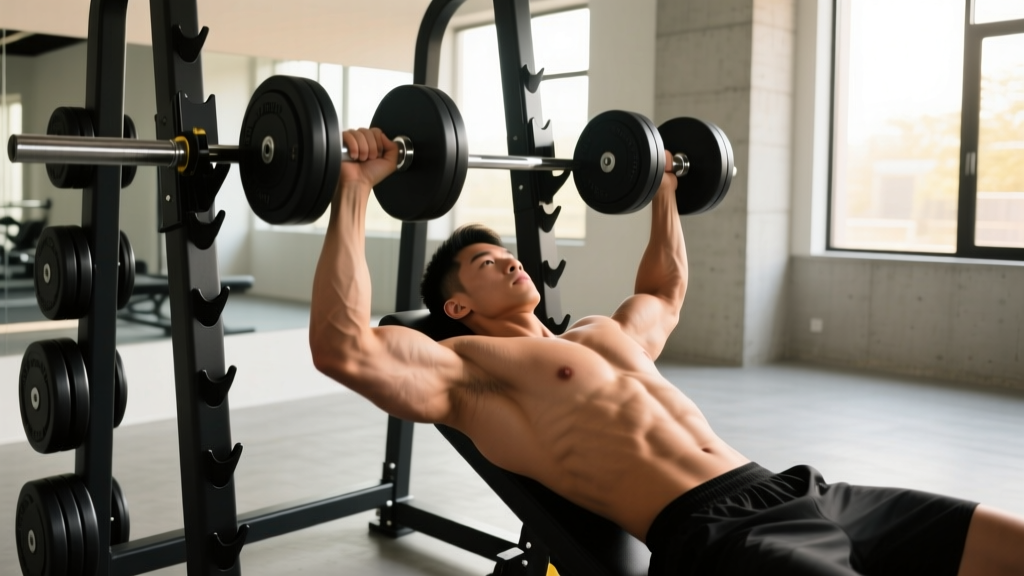
Incline Dumbbell Press Targets Which Muscle? Best Adjustable Dumbbells

Barbell Collar & Clamp Comparison: Best Quad Exercise with Dumbbells

Rubber Hex vs Urethane: Are Adidas Dumbbells Worth the Cost?
