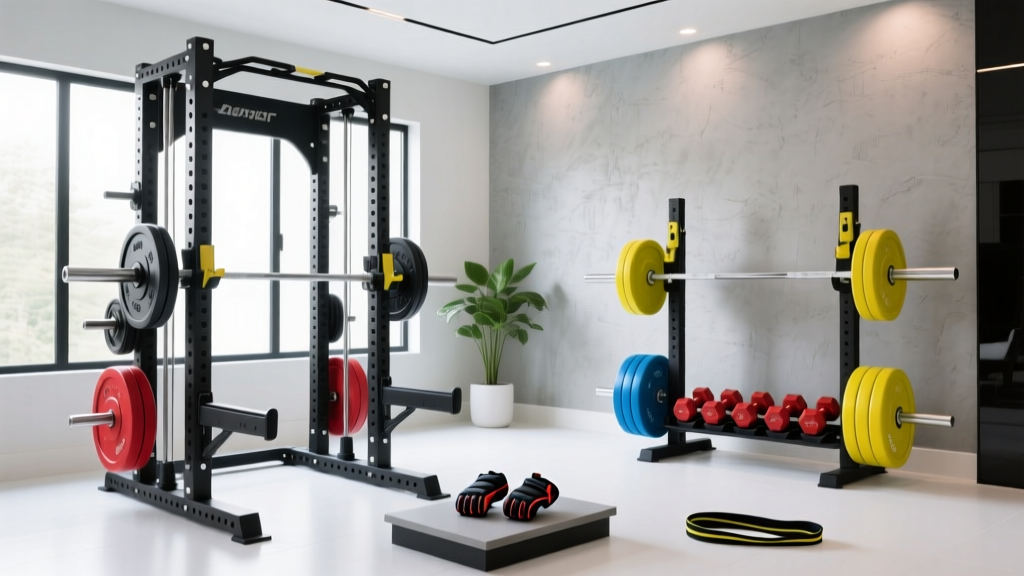
2026 Trends: Urethane vs Rubber Hex for the Dumbbell Floor Fly
Analyze the 2026 market shift from rubber hex to urethane dumbbells, using the dumbbell floor fly to test durability, ergonomics, and floor safety.

The 2026 Shift in Free Weight Coatings: Beyond the Rack
As we navigate the second quarter of 2026, the commercial and premium home gym equipment market is undergoing a definitive material shift. For the past decade, rubber-coated hex dumbbells dominated the budget and mid-tier sectors. However, recent facility upgrades and a surge in high-end garage gym builds have accelerated the adoption of virgin urethane coatings. To understand this market transition, industry analysts and biomechanics experts are increasingly looking at specific, high-stress isolation movements rather than standard rack storage. The ultimate real-world stress test for free weight coatings in 2026? The dumbbell floor fly.
The dumbbell floor fly is a staple chest isolation exercise performed without a bench. Because the user is lying supine on the floor, the dumbbells are repeatedly set down on hard surfaces, dragged slightly into position, and subjected to asymmetric lateral forces when the user reaches back to grab them. This movement exposes the exact failure points of cheap elastomers: edge degradation, handle torque vulnerability, and floor scuffing. By analyzing the material science and market pricing through the lens of this specific exercise, we can decode why urethane is capturing market share from rubber hex models this year.
The Biomechanical Crucible: Why the Dumbbell Floor Fly Matters
When evaluating equipment for a facility or home gym, most buyers focus on the drop test—how well a dumbbell survives a fall from shoulder height. But the dumbbell floor fly introduces a different vector of mechanical stress: lateral drag and rotational torque.
- The Setup Drag: Before initiating the fly, the user must position the dumbbells by their sides. On a rubber mat or hardwood floor, this often involves dragging the flat edge of the hex head laterally. Low-durometer recycled rubber tends to catch, roll, and leave black scuff marks, while high-durometer urethane glides with minimal friction.
- The Asymmetric Pickup: Reaching back to grab a dumbbell from the floor places immense torsional stress on the handle-to-head junction. If the rubber hex head is molded poorly or uses a weak internal steel pin, repeated asymmetric lifting can cause the head to loosen or wobble.
- The Floor Impact: At the bottom of the eccentric phase, or when racking the weight post-set, the dumbbell is dropped onto the floor from a height of 6 to 12 inches. The Shore hardness of the coating dictates how much kinetic energy is transferred to the floor versus absorbed by the elastomer.
Polymer Science: Virgin Urethane vs. Vulcanized Rubber
To understand the procurement trends of 2026, we must look at the molecular differences between the two dominant coatings. The Argonics Material Science Guide outlines the fundamental divergence in wear resistance and environmental stability between cast polyurethane (PU) and vulcanized rubber.
Recycled Vulcanized Rubber (The Budget Standard)
Most rubber hex dumbbells on the market are manufactured using recycled truck tire rubber bound with sulfur and heat. While cost-effective, this process results in an inconsistent Shore A hardness (typically ranging from 60A to 75A). The material is highly porous, which traps volatile organic compounds (VOCs), leading to the notorious "rubber smell" that can take 3 to 6 months to off-gas in a climate-controlled room. Furthermore, the edges of rubber hex dumbbells are prone to micro-tearing when dragged across textured surfaces during floor flies.
Virgin Cast Polyurethane (The Premium Standard)
Urethane dumbbells, such as those featured in the Rogue Fitness Urethane Lineup, are cast from virgin liquid polyurethane. This creates a non-porous, chemically stable matrix with a Shore A hardness of 85A to 90A. Urethane is virtually odorless upon unboxing, highly resistant to UV degradation, and possesses a memory that allows it to absorb high-impact shocks without permanently deforming or chipping at the hex edges.
2026 Comparison Matrix: Performance & Pricing
Below is a detailed breakdown comparing a standard commercial rubber hex dumbbell against a premium virgin urethane model, specifically evaluated for floor-based isolation movements.
| Metric | Standard Rubber Hex | Virgin Urethane |
|---|---|---|
| Shore A Hardness | 60A - 75A (Soft/Inconsistent) | 85A - 90A (Firm/Uniform) |
| Floor Fly Drag Scuff | High (Leaves black marks) | Minimal (Glides cleanly) |
| Edge Tear Resistance | Low (Chips after 6-12 months) | Exceptional (Maintains sharp edges) |
| VOC Off-Gassing | High (Months to dissipate) | Near Zero (Odorless) |
| 2026 Avg. Cost per Lb | $1.65 - $2.20 | $3.80 - $5.50 |
Procurement Realities: The Narrowing Price Gap
Historically, the barrier to urethane adoption was purely financial. In 2019, urethane dumbbells commanded a 300% premium over rubber hex models. However, supply chain stabilization and advancements in automated liquid PU casting have drastically altered the 2026 pricing landscape.
While rubber hex dumbbells remain the undisputed king of the sub-$2.00/lb tier, mid-tier urethane options from direct-to-consumer brands have pushed the price down to the $3.80/lb mark for full sets (5-50 lbs). For facility owners, the Total Cost of Ownership (TCO) heavily favors urethane. A rubber hex set used in a high-volume functional fitness gym typically requires 20% head replacement or full retirement within 36 months due to edge chipping and handle rust. Urethane sets routinely exceed a 7-year lifespan with zero structural degradation, making the ROI positive by year four.
Edge Cases & Failure Modes in Garage Gyms
Despite urethane's dominance in commercial spaces, the rubber hex dumbbell still holds specific advantages depending on the environment. As a buyer, you must account for these edge cases:
- Extreme Temperature Fluctuations: If your garage gym experiences sub-freezing winter temperatures, urethane can temporarily become brittle. Dropping a 90A urethane dumbbell on concrete at 20°F (-6°C) increases the risk of hairline fractures. Vulcanized rubber remains more pliable in extreme cold.
- UV Exposure: While modern urethane is UV-stabilized, prolonged direct sunlight over several years can cause cosmetic yellowing. Rubber hex dumbbells do not suffer from UV discoloration, though they will dry-rot and crack if left outside.
- Knurling Interference: During the dumbbell floor fly, the inner edges of the dumbbell heads rest near the user's forearms. Cheap rubber hex dumbbells often have excess flashing (seam lines) from the mold that can scrape the skin. Premium urethane is CNC-machined or cast in seamless molds, eliminating this abrasion risk.
The FitGearPulse Verdict: Specifying Your 2026 Arsenal
The transition from rubber hex to urethane is not just a matter of aesthetic preference; it is a fundamental upgrade in biomechanical safety and facility preservation. When performing movements like the dumbbell floor fly, the equipment must act as an extension of the body, not a liability that damages floors or fails under lateral torque.
"If your programming includes high-volume floor-based isolation work, the initial capital expenditure of virgin urethane is non-negotiable. The cost of repairing scuffed hardwood or replacing delaminated rubber heads will eclipse your initial savings within the first 18 months."
For Budget Home Gyms & Light Use: Stick to rubber hex, but ensure you purchase from a manufacturer that uses low-odor, virgin rubber blends rather than recycled tires, and invest in a high-density EVA foam mat to protect your floors during floor flies.
For Commercial Facilities & Premium Garage Gyms: Urethane is the mandatory standard for 2026. The superior Shore hardness, zero-VOC profile, and resistance to lateral drag make it the only logical choice for serious lifters and high-traffic facilities.
More gear to consider
All reviews
Hex vs Urethane: Gym Layout & Dumbbell Abs Workout Male Guide

2026 Bumper Plate vs Iron Plate Trends & Core Workouts with Dumbbells
Cast Iron vs Competition Kettlebells & The Dumbbell Drain Wrench Trend

Power Rack vs Squat Rack vs Stand: The Dumbbell Rollback Guide

Power Rack vs Squat Stand for Your Womens Full Body Dumbbell Workout