Troubleshooting Dumbbell Exercises for Abs With Neoprene Weights
Master dumbbell exercises for abs at home. Learn to troubleshoot common form mistakes, grip slips, and weight selection errors with neoprene-coated dumbbells.

The Biomechanics of Weighted Core Work at Home
As home gym setups continue to evolve in 2026, neoprene coated dumbbells remain a top choice for residential spaces. Brands like CAP Barbell and Yes4All dominate the market, offering sets that range from $1.20 to $1.80 per pound. Their soft, floor-friendly exterior and accessible price points make them ideal for high-repetition core circuits. However, when performing dumbbell exercises for abs, the unique material properties of neoprene introduce specific biomechanical and handling challenges that most generic fitness guides ignore.
Unlike bare steel or knurled iron, neoprene compresses slightly under a heavy grip. This subtle dampening alters proprioception—the body's ability to sense movement and position—during delicate anti-rotation holds. Furthermore, the seam where the neoprene coating meets the steel handle is a frequent failure point for sweat accumulation, leading to dangerous grip slips during overhead or supine core movements. Below, we break down the most common mistakes lifters make when using neoprene dumbbells for core training and provide actionable troubleshooting protocols to fix them.
⚠️ Equipment Warning: Never use a 'false grip' (thumbless grip) with neoprene dumbbells during weighted crunches or pullovers. Neoprene's friction coefficient drops by up to 40% when exposed to acidic sweat, drastically increasing the risk of dropping the weight on your face or sternum.Top 4 Mistakes in Dumbbell Exercises for Abs (And How to Fix Them)
Mistake 1: Using Momentum in Russian Twists
The Russian Twist is a staple oblique exercise, but home gym users frequently grab a 25lb or 30lb neoprene dumbbell and swing wildly from side to side. This shifts the load from the internal and external obliques to the hip flexors and lumbar spine.
- The Neoprene Factor: The bulky, rounded heads of neoprene dumbbells make it difficult to hold the weight close to the chest, artificially lengthening the lever arm and increasing lower back torque.
- The Fix: Drop the weight to a 10lb or 15lb neoprene dumbbell. Elevate your feet to engage the lower rectus abdominis, and hold the dumbbell vertically by the top head rather than the handle. This allows you to keep the mass centered on your torso. Aim for a 3-second eccentric phase on each rotation.
Mistake 2: Grip Failure During Weighted Decline Crunches
When performing weighted crunches on a decline bench or the floor, lifters often cross their arms over the chest, allowing the dumbbell to rest on their collarbone. As the set progresses and sweat builds, the neoprene coating becomes slick, causing the weight to slide.
- The Neoprene Factor: Neoprene is highly porous. Over months of use, it absorbs oils and dead skin, creating a 'gummy' surface that feels secure when dry but hydroplanes when wet.
- The Fix: Transition to a dual-dumbbell floor press crunch, holding two lighter neoprene dumbbells (e.g., 5lbs each) directly over your chest with a neutral, pronated grip. This eliminates the sliding hazard and increases the demand on the transversus abdominis for stabilization.
Mistake 3: Overstretching the QL During Side Bends
Dumbbell side bends are frequently misused as an oblique builder, but they primarily target the quadratus lumborum (QL) and can lead to spinal compression if loaded too heavily.
- The Neoprene Factor: Because neoprene dumbbells are often sold in lighter increments (5, 10, 15 lbs), users mistakenly believe they can perform 50+ reps safely. High-rep lateral flexion under fatigue leads to form breakdown.
- The Fix: According to biomechanics data cataloged by ExRx.net, lateral flexion should be controlled and limited in range of motion. Use a single 15lb or 20lb neoprene dumbbell, but restrict the movement to a 15-degree tilt. Focus on the concentric 'pull' back to neutral rather than the deep stretch.
Mistake 4: Ignoring Anti-Extension Movements
Most home workout routines focus entirely on spinal flexion (crunches). True core stability requires anti-extension work, which is often neglected due to a lack of cable machines at home.
- The Fix: Use your neoprene dumbbells for 'Dead Bugs'. Lie on your back, holding a single 10lb neoprene dumbbell straight up over your chest. Slowly lower your opposite arm and leg toward the floor. The soft coating of the neoprene is perfect here, as it won't damage your flooring if your fatigued grip fails and you drop it.
Troubleshooting Matrix: Form & Equipment Errors
| Exercise | Common Biomechanical Flaw | Neoprene-Specific Issue | Corrective Action |
|---|---|---|---|
| Dumbbell Pullover | Flaring ribs, losing core tension | Handle sweat-slip at end-range | Use a single DB, grip the inner collar, wrap thumbs |
| Half-Kneeling Woodchopper | Rotating from lumbar spine | Bulky DB head blocks hip path | Grip DB by the top bell, keep arms slightly bent |
| Weighted Reverse Crunch | Using hip flexors to swing legs | Dropping DB on hardwood floors | Hold DB vertically between feet (neoprene protects floor) |
Equipment Care: Maintaining Neoprene Grip Integrity
To ensure your neoprene dumbbells remain safe for intense core circuits, you must address the material degradation that occurs in home environments. In 2026, the standard for home gym maintenance goes beyond a simple wipe-down.
- Neutralize the pH: Human sweat has a pH between 4.5 and 7.0, which slowly breaks down the synthetic rubber compounds in neoprene. Once a week, wipe the handles with a solution of 1 part white vinegar to 3 parts water.
- Avoid UV Degradation: Neoprene is highly susceptible to ultraviolet light. If your home gym is in a sunroom or near a south-facing window, UV exposure will cause the coating to chalk, peel, and eventually expose the rust-prone iron core. Store them in a closed rack or bin.
- Check the Collar Seams: Inspect the junction where the neoprene meets the bare metal handle. If you see splitting, apply a thin layer of flexible silicone sealant to prevent moisture from entering the core, which can cause internal rusting that compromises the structural integrity of the weight.
The 2026 Core Stability Protocol
The Mayo Clinic emphasizes that core training should prioritize stability and endurance over sheer flexion force. Using lighter neoprene dumbbells (5lb to 15lb range), perform this circuit 3 times with 45 seconds of rest between rounds. Focus on time-under-tension rather than rep counts.
- 1. Neoprene Dead Bug (Anti-Extension): 8 reps per side. Hold a 10lb dumbbell overhead. Lower opposite arm and leg over 4 seconds. Press your lower back firmly into the mat.
- 2. Seated Dumbbell Halo (Anti-Rotation/Mobility): 6 reps per direction. Hold a single 15lb neoprene dumbbell by the heads. Circle it tightly around your head, forcing your deep core stabilizers to resist the shifting center of gravity.
- 3. Suitcase Hold with March (Lateral Stability): 30 seconds per side. Hold a heavy 25lb+ neoprene dumbbell in one hand. Stand tall and slowly march in place. Resist the urge to lean away from the weight, engaging the obliques and QL isometrically.
For a comprehensive database of proper form and muscle targeting for these movements, the ACE Fitness Exercise Library remains an invaluable, evidence-based resource for home athletes.
Final Thoughts on Neoprene Core Training
Neoprene coated dumbbells are an excellent, budget-friendly tool for home core training, provided you respect their material limitations. By troubleshooting your grip, adjusting your leverage to account for the bulky dumbbell heads, and maintaining the coating against sweat and UV damage, you can safely execute a wide variety of dumbbell exercises for abs. Remember that core training is about resisting movement just as much as creating it; use your neoprene weights to challenge your stability, and the aesthetic and functional results will follow.
More gear to consider
All reviews
Beginner Dumbbell Overhead Press Workout Using Neoprene Weights

Standard vs Olympic Plates: Setup Guide & Dumbbell Calculator

Budget Storage for a Back Workout at Home With Dumbbells
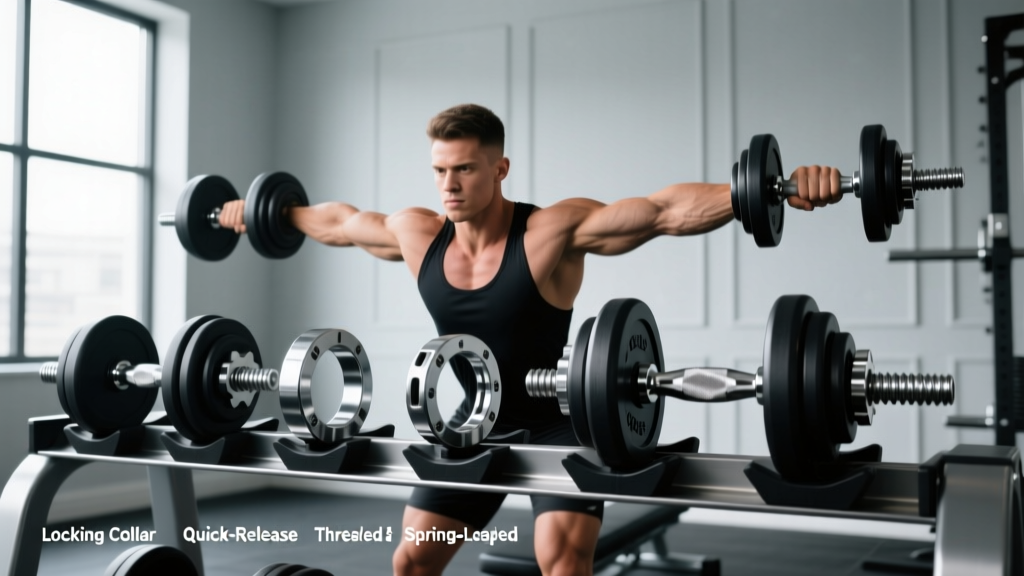
What Do Dumbbell Flyes Work? Barbell Collar & Clamp Types Compared
Bumper vs Iron Plates: Longevity Tips for Barbell or Dumbbell Squats