
Storage Racks & Care for Exercises With 5 Pound Dumbbells
Discover top storage racks and maintenance routines to protect gear used for exercises with 5 pound dumbbells from wear, sweat, and UV damage.

Why Light Dumbbells Require Specialized Storage and Care
When outfitting a home gym or physical therapy clinic, heavy barbells and massive power racks usually steal the spotlight. However, a significant portion of daily functional fitness, rehabilitation, and senior mobility routines rely heavily on exercises with 5 pound dumbbells. Whether you are performing high-repetition rotator cuff external rotations, light shadow boxing circuits, or guided senior wellness movements, these lightweight tools are handled far more frequently than their heavier counterparts.
Because the repetitive nature of exercises with 5 pound dumbbells leads to high handling volume, the coatings on these specific weights—typically neoprene, vinyl, or light urethane—are subjected to accelerated wear, sweat exposure, and environmental degradation. Furthermore, tossing 5-pound hex dumbbells into a generic wire basket or leaving them scattered on the floor damages the coating, creates tripping hazards, and compromises the inner cast-iron core. In this comprehensive guide, we explore the best storage solutions and meticulous maintenance protocols designed specifically to extend the lifespan of your light dumbbell sets and the racks that hold them.
Insight: According to the Centers for Disease Control and Prevention (CDC), older adults and those in rehabilitation benefit immensely from light resistance training. Preserving the tactile grip and structural integrity of 3 lb to 10 lb dumbbells is essential for safe, consistent adherence to these vital health guidelines.The Material Science of Light Dumbbell Degradation
To understand why specialized storage and care are necessary, we must first examine the materials used to manufacture light dumbbells. Unlike raw cast-iron or bare steel competition dumbbells, weights in the 1 lb to 10 lb range are almost universally encased in synthetic polymers to protect floors and reduce noise.
Neoprene and the 'Tacky' Failure Mode
Neoprene is the most common coating for 5-pound dumbbells due to its soft grip and vibrant color-coding. However, neoprene is highly susceptible to two enemies: UV radiation and human sebum (skin oils). When exposed to direct sunlight from a garage window, the polymers in neoprene break down, resulting in a sticky, tacky residue that transfers to your hands and clothing during exercises with 5 pound dumbbells. Furthermore, sweat contains sodium chloride (salt), which can seep through micro-tears in the neoprene and rust the inner steel core from the inside out, eventually causing the coating to split and delaminate.
Vinyl and Cold-Weather Micro-Fractures
Hex-shaped vinyl dumbbells are a budget-friendly staple. While highly resistant to moisture, vinyl becomes incredibly brittle in cold environments. If you store your light dumbbell sets in an unheated garage or basement where temperatures drop below 40°F (4°C), the vinyl is prone to micro-fractures. Dropping a cold vinyl dumbbell even a few inches onto a concrete floor can cause the casing to shatter, exposing the rust-prone cement or cast-iron fill.
Urethane: The Premium Alternative
High-end commercial gyms use urethane-coated light dumbbells (such as those from Rogue or Eleiko). Urethane is virtually impervious to UV damage, sweat, and temperature fluctuations. However, it is much harder than neoprene. If stored improperly on metal racks without rubber-lined trays, urethane dumbbells will develop severe cosmetic scuffs and can even chip the powder coating off the rack itself.
Selecting the Right Storage Solutions for Light Sets
Standard 3-tier horizontal dumbbell racks (like the Rep Fitness 3-Tier or Rogue 3-Tier) are engineered for 15 lb to 50+ lb pairs. Placing a pair of 5-pound dumbbells on the top tier of a massive horizontal rack is an inefficient use of space and often results in the small dumbbells rolling or being knocked off by heavier pairs being racked hastily. For sets dedicated to exercises with 5 pound dumbbells, consider these specialized storage architectures:
| Rack Type | Best For | Pros | Cons | Est. Cost (2026) |
|---|---|---|---|---|
| A-Frame Vertical Rack (e.g., CAP Barbell SD-5005) | Full 1-10 lb Neoprene/Vinyl Sets | Compact footprint, color-coded tiers, easy to read weight labels. | Can tip if not anchored or if weights are removed unevenly. | $45 - $65 |
| Wall-Mounted Peg Rack | Space-constrained home gyms, physical therapy offices. | Zero floor space used, highly customizable layout. | Requires drilling into wall studs; drywall anchors will fail. | $60 - $120 |
| Horizontal Tray Add-On (Top Tier) | Commercial racks already holding heavy weights. | Integrates into existing footprint, rubber-lined to prevent scuffs. | Takes up the top tier of expensive heavy-duty racks. | $80 - $150 |
Step-by-Step Maintenance Routine for 5 lb Dumbbells
The National Strength and Conditioning Association (NSCA) emphasizes that routine equipment maintenance is a critical component of facility safety and longevity. For home users and clinic managers overseeing equipment used for exercises with 5 pound dumbbells, implementing a strict chemical and environmental care protocol is non-negotiable.
Step 1: The Post-Workout Chloride Wipe
Human sweat is highly corrosive. After high-rep endurance or rehab sessions, wipe down the handles and coating seams of your neoprene or vinyl dumbbells. Use a microfiber cloth lightly dampened with a 1:10 dilution of Simple Green All-Purpose Cleaner and water. Never use bleach, ammonia, or alcohol-based sanitizers, as these strip the plasticizers from vinyl and neoprene, causing them to dry out and crack prematurely.
Step 2: UV and Climate Control
Store your A-Frame rack or wall pegs away from direct sunlight. If your home gym features large south-facing windows, apply UV-blocking window film to prevent the photo-degradation of the neoprene coatings. Additionally, maintain an ambient room temperature above 50°F (10°C) to preserve the flexibility of vinyl encasements.
Step 3: Polymer Reconditioning (Quarterly)
Every three months, apply a light coat of 303 Aerospace Protectant to neoprene and rubber-coated dumbbells. This water-based UV protectant restores the matte finish, eliminates any developing 'tackiness', and creates a hydrophobic barrier that repels sweat and moisture from seeping into the core seams. Spray the protectant onto a cloth first, then wipe the dumbbells; avoid spraying directly to prevent overspray on your floors or rack.
Prolonging the Life of Your Storage Rack
The rack itself requires maintenance, especially when constantly loaded and unloaded with lighter weights. The friction of metal or hard urethane dumbbells being dragged across steel rack tiers will eventually wear away the rack's powder coating, leading to surface rust.
- Apply UHMW Tape: Adhesive Ultra-High-Molecular-Weight polyethylene tape applied to the lips and saddles of horizontal racks provides a slick, sacrificial barrier that prevents metal-on-metal or urethane-on-metal abrasion.
- Monthly Bolt Torquing: A-Frame racks are particularly prone to loosening at the central spine bolts due to the lateral force of pulling dumbbells off the pegs. Use a hex key or socket wrench to check and tighten all structural bolts every 30 days.
- Powder Coat Touch-Ups: If you notice chips in the rack's paint, immediately clean the area with isopropyl alcohol and apply a rust-inhibiting enamel touch-up pen to prevent oxidation from spreading beneath the coating.
Frequently Asked Questions (FAQ)
Can I store neoprene dumbbells in an unheated garage?
While neoprene handles temperature drops better than vinyl, unheated garages often experience high humidity and condensation. This moisture can settle on the exposed metal handles and the seams where the neoprene meets the core, leading to rust. If garage storage is your only option, keep the dumbbells in a sealed plastic storage bin with silica gel desiccant packets when not in use, and only place them on the rack during active workout periods.
My 5-pound neoprene dumbbells are already sticky. How do I fix them?
Sticky neoprene is a sign of polymer breakdown, often caused by UV exposure or contact with harsh chemicals. You can often salvage them by scrubbing the surface with a mixture of warm water and mild dish soap, followed by a thorough wipe-down with a 50/50 mix of water and white vinegar. Once completely dry, apply a coat of 303 Aerospace Protectant to seal the surface and restore a smooth, matte grip for your next round of exercises with 5 pound dumbbells.
Are vertical A-Frame racks safe around children and pets?
A-Frame racks have a relatively narrow base and a high center of gravity when fully loaded. If a child or pet bumps into the side, the rack can tip. The American Council on Exercise (ACE) strongly advises securing all freestanding gym equipment. For A-Frames, use a furniture anti-tip strap to anchor the top of the rack to a wall stud, or place heavy sandbags over the bottom crossbars to lower the center of gravity.
Conclusion
Equipment dedicated to exercises with 5 pound dumbbells is the workhorse of rehabilitation, senior fitness, and high-rep conditioning. By moving away from the habit of tossing light weights into generic bins and instead investing in dedicated A-Frame or wall-mounted storage solutions, you protect both your investment and your training environment. Combined with a strict regimen of chloride removal, UV protection, and climate control, your light dumbbell sets will maintain their structural integrity, tactile grip, and aesthetic appeal for years to come.
More gear to consider
All reviews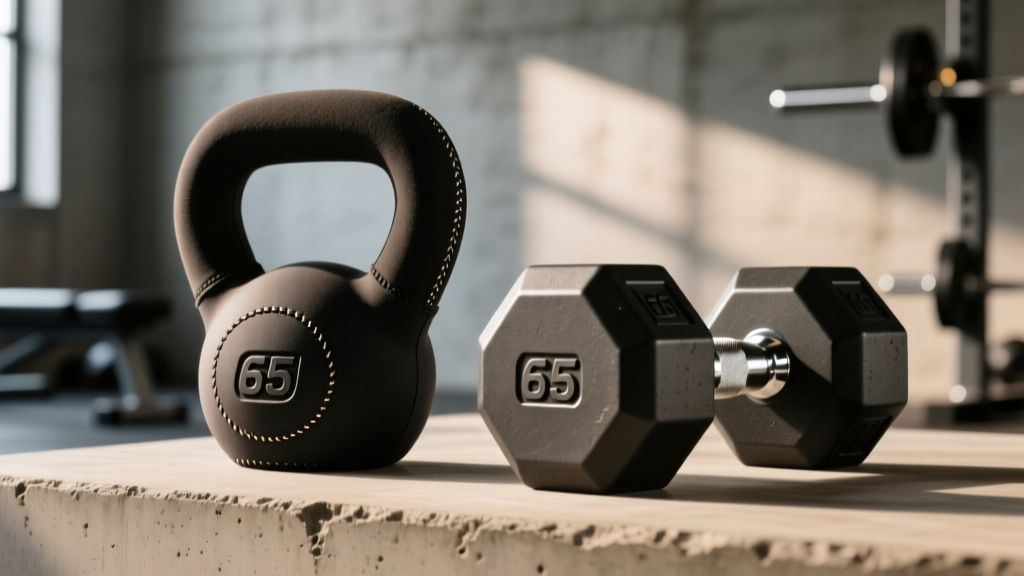
65 Pound Dumbbells in 2026: Neoprene vs. Rubber Hex Showdown
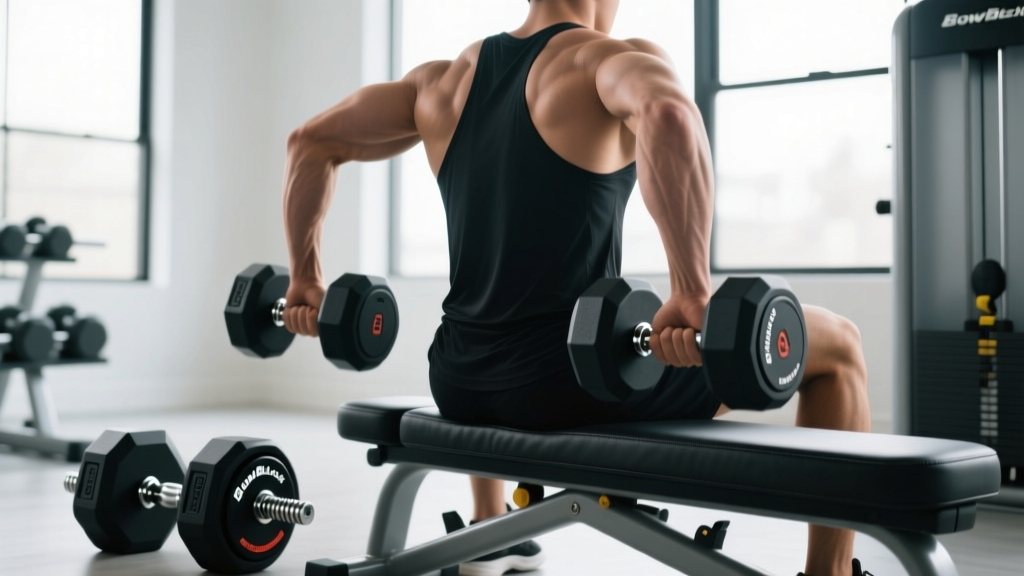
Sitting Down Dumbbell Curls: Mistakes & Adjustable Dumbbell Reviews

Adjustable Dumbbell Reviews: Troubleshooting Dumbbell Wrist Straps

How Do You Spell Dumbbell? Barbell Collar Types Guide

Barbell Back Squat With Dumbbells: Best Loadable Sets 2026
