
Standard vs Olympic Plates for Standing Dumbbell Chest Exercises
Compare standard vs Olympic weight plates for standing dumbbell chest exercises. Discover how grip, ROM, and load capacity impact your home gym setup.

The Biomechanical Reality of the Dumbbell Chest Standing Press
When building a home gym, the debate between standard and Olympic weight plates usually centers around barbell lifts or power racks. However, a massive blind spot exists in how plate selection impacts unilateral and free-standing movements. Specifically, the dumbbell chest standing press and standing chest fly are highly sensitive to the physical dimensions, grip thickness, and rotational inertia of your equipment. Many lifters overlook how equipment choices affect the dumbbell chest standing variation, leading to restricted range of motion (ROM) and premature grip failure.
Unlike a bench press where your scapula is pinned and stabilized, a standing chest press requires immense core engagement, anterior deltoid stabilization, and wrist control. The type of weight plate you slide onto your loadable dumbbell handles—1-inch standard versus 2-inch Olympic—fundamentally alters the biomechanics of the lift. In this head-to-head comparison, we break down the exact mechanical interferences, grip fatigue variables, and 2026 pricing structures to help you choose the right plate ecosystem for your standing chest workouts.
Standard vs. Olympic Weight Plates: The Hard Data
Before analyzing the movement mechanics, we must establish the physical differences between the two plate standards. Standard plates feature a 1-inch center hole and are typically paired with threaded, spin-lock handles. Olympic plates feature a 2-inch center hole, designed for heavy-duty, smooth-sleeve loadable handles. Below is a direct specification comparison based on current industry manufacturing standards.
| Specification | Standard Plates (1-Inch) | Olympic Plates (2-Inch) |
|---|---|---|
| Center Hole Diameter | 1 inch (25.4 mm) | 2 inches (50.8 mm) |
| Avg. Handle Grip Thickness | 1 inch to 1.2 inches | 1.3 inches to 1.5 inches |
| Diameter of 25lb Cast Iron Plate | ~11.5 inches | ~14.5 inches |
| Diameter of 45lb Cast Iron Plate | ~14.5 inches | ~17.7 inches |
| Max Load per 14" Handle | ~50 lbs (sleeve space limited) | N/A (Requires Olympic Handle) |
| Average Cost Per Pound (2026) | $1.00 - $1.50 / lb | $1.80 - $3.50 / lb |
Range of Motion (ROM) and Plate Diameter Interference
The most critical, yet rarely discussed, factor when performing a standing dumbbell chest fly or deep standing press is plate diameter interference. Because you are standing upright, the path of the dumbbell during the eccentric (lowering) phase of a chest fly brings the weight plate dangerously close to your torso, ribs, and forearms.
The Forearm Strike Phenomenon
If you are using Olympic plates, the sheer width and diameter of the iron or rubber bumpers become a mechanical roadblock. A standard 25lb Olympic plate measures roughly 14.5 inches in diameter. When you lower the dumbbell for a standing chest fly, the outer edge of the Olympic plate will physically strike your forearm or ribcage before your pectoral muscles reach a full, deep stretch. According to biomechanics analyses featured in ExRx.net's exercise directory, cutting off the bottom 15% of the stretch significantly reduces the hypertrophic stimulus on the sternal pectoralis major.
Conversely, standard 1-inch plates are much more compact. A 25lb standard cast iron plate is only about 11.5 inches in diameter. This compact profile allows the lifter to achieve a much deeper stretch at the bottom of the standing fly without the plates colliding with the body. For isolation movements like the standing chest fly, standard plates offer a distinct biomechanical advantage in ROM.
"When performing standing unilateral chest work, equipment geometry dictates your actual range of motion. Lifters often mistake physical plate collision for muscular failure, entirely missing the stretched position where the most muscle damage occurs."
Grip Thickness, Handle Specs, and Rotational Inertia
The dumbbell chest standing press requires you to stabilize the weight in three dimensions while pressing upward and slightly inward. The handle you grip is the only point of contact transferring that force.
- Standard Handles (1-inch grip): The thinner grip allows for a tighter fist closure, maximizing force transfer and reducing grip fatigue. However, standard threaded handles often suffer from 'spin-lock loosening' during the rotational torque of a chest press, which can be distracting or dangerous when standing without a spotter.
- Olympic Handles (1.3 to 1.5-inch grip): The thicker sleeve necessitates a wider grip. As noted in BarBend's comprehensive guide to weight plates, thicker grips increase forearm and brachioradialis activation. In a standing chest press, your grip will likely fail before your chest muscles do due to the stabilizing demands of standing upright.
Furthermore, Olympic plates sit further away from the handle's center of gravity due to the thicker inner hub. This increases the rotational inertia of the dumbbell. If your wrist wobbles during the concentric pressing phase, an Olympic-loaded dumbbell requires significantly more corrective torque from your wrist flexors to stabilize than a standard-loaded dumbbell.
2026 Equipment Pricing and Model Recommendations
Let us look at the financial reality of building a 50lb dumbbell setup for your standing chest routines in 2026, comparing specific, highly-rated models.
The Standard Route: CAP Barbell 14-Inch Threaded Handles
The CAP Barbell 14-inch solid steel threaded handle remains a budget staple.
Handle Cost: ~$22.00 per pair.
Plate Cost: 100 lbs of standard cast iron plates (to make two 50lb dumbbells) will cost roughly $120.00.
Total Setup Cost: $142.00
Verdict: Unbeatable for budget home gyms focusing on high-ROM standing flys, but limited by a maximum safe load of about 60lbs per hand due to sleeve length.
The Olympic Route: Titan Fitness Loadable Dumbbell Handles
For heavy standing presses, you need robust sleeves. The Rogue Fitness and Titan Fitness loadable handles are industry standards. We will use the Titan Fitness Olympic Loadable Handles for this pricing model.
Handle Cost: ~$89.99 per pair.
Plate Cost: 100 lbs of virgin rubber Olympic grip plates (necessary to avoid the massive diameter of bumpers) will cost roughly $220.00.
Total Setup Cost: $309.99
Verdict: Superior for heavy standing chest presses (80+ lbs per hand), featuring secure snap-clip collars that eliminate the loosening issue of standard spin-locks. However, the high cost and ROM restrictions on flys are notable drawbacks.
Summary Verdict: Which Plate Type Wins?
There is no universal winner; the correct choice depends entirely on the specific standing chest exercise you are prioritizing.
Choose Standard (1-Inch) Plates If:
- Your primary focus is the standing dumbbell chest fly and you need maximum ROM without plate-to-forearm interference.
- You are on a strict budget and your working weight for standing presses is under 60 lbs per hand.
- You suffer from grip fatigue and prefer a thinner 1-inch handle to maintain wrist stability.
Choose Olympic (2-Inch) Plates If:
- Your primary focus is the heavy standing dumbbell chest press where progressive overload beyond 60 lbs per hand is required.
- You already own a full Olympic plate ecosystem for barbells and want cross-compatibility.
- You prioritize safety and secure collaring (using spring clips or snap collars) over the unreliable spin-locks of standard handles.
Frequently Asked Questions
Can I use Olympic bumper plates for standing chest exercises?
It is highly discouraged. Bumper plates all share a uniform 17.7-inch diameter regardless of weight. A 10lb bumper plate will block your range of motion on a standing chest fly just as much as a 45lb plate, making them entirely unsuitable for deep stretch isolation movements.
Do standard spin-lock collars loosen during standing presses?
Yes. The rotational torque applied to the wrist during the concentric phase of a standing chest press often transfers to the handle sleeve. Over a set of 10-12 reps, standard threaded spin-lock collars can back off by a millimeter or two, causing the plates to clank and shift. Always tighten them with a wrench or use rubber O-rings to increase friction.
Are loadable dumbbell handles better than fixed hex dumbbells for standing work?
Fixed hex dumbbells offer superior balance and a compact head profile, making them ideal for standing flys. However, purchasing a full rack of fixed dumbbells from 20lbs to 80lbs costs upwards of $1,500 in 2026. Loadable handles paired with standard plates offer a space-saving, budget-friendly alternative, provided you accept the minor balance trade-offs.
More gear to consider
All reviews
Russian Deadlift Dumbbell Storage Trends: 2026 Market Report & Rack Guide
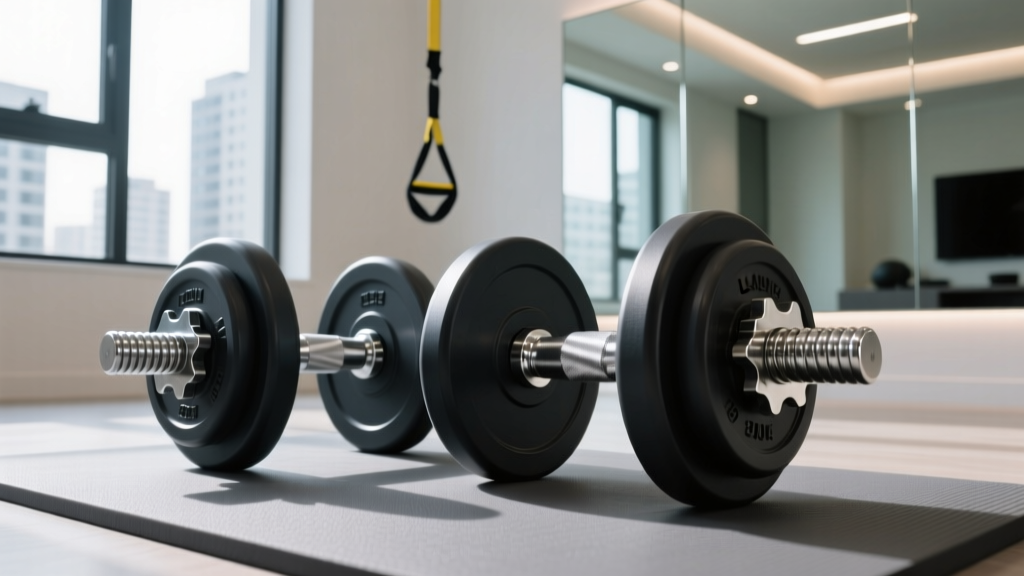
Great Bicep Workouts With Dumbbells: 2026 Loadable Plate Review
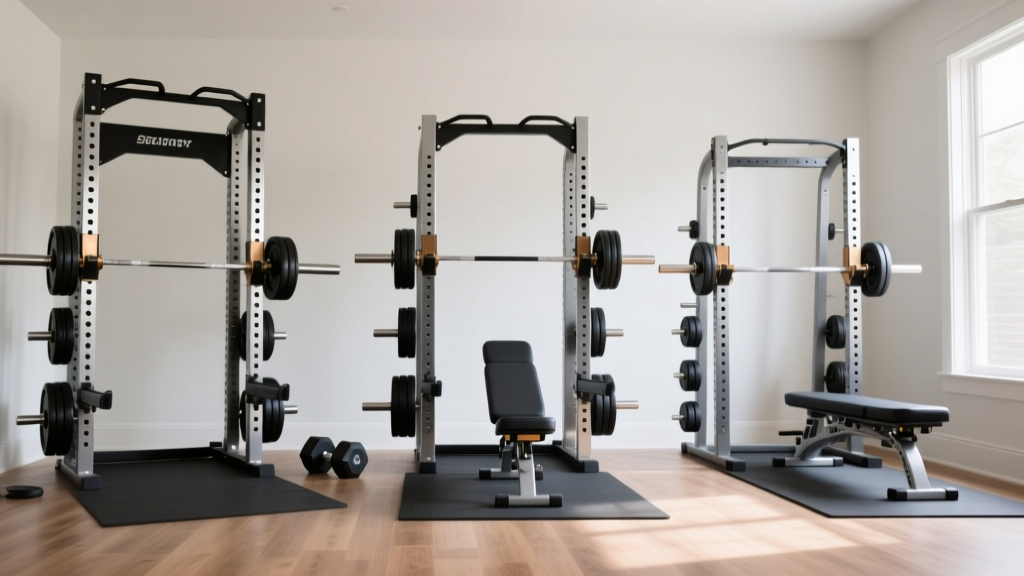
Power Rack vs Squat Rack vs Stand: Dumbbell Chest Workouts at Home

EZ Curl vs Straight Bar: Dumbbell Chest Flyes Muscles Worked Trends
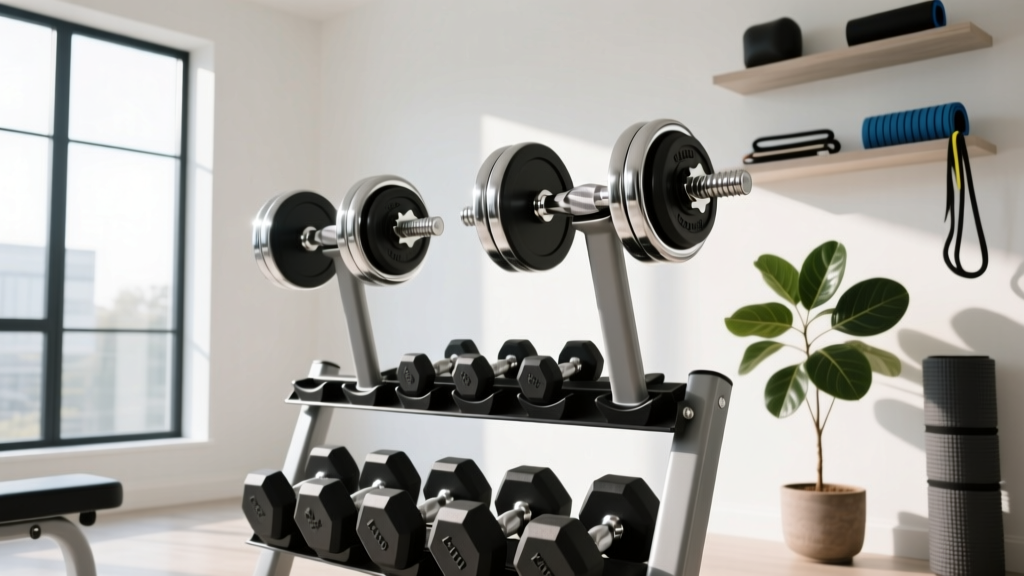
Best Loadable Dumbbell Weight Systems: 2026 Hands-On Review
