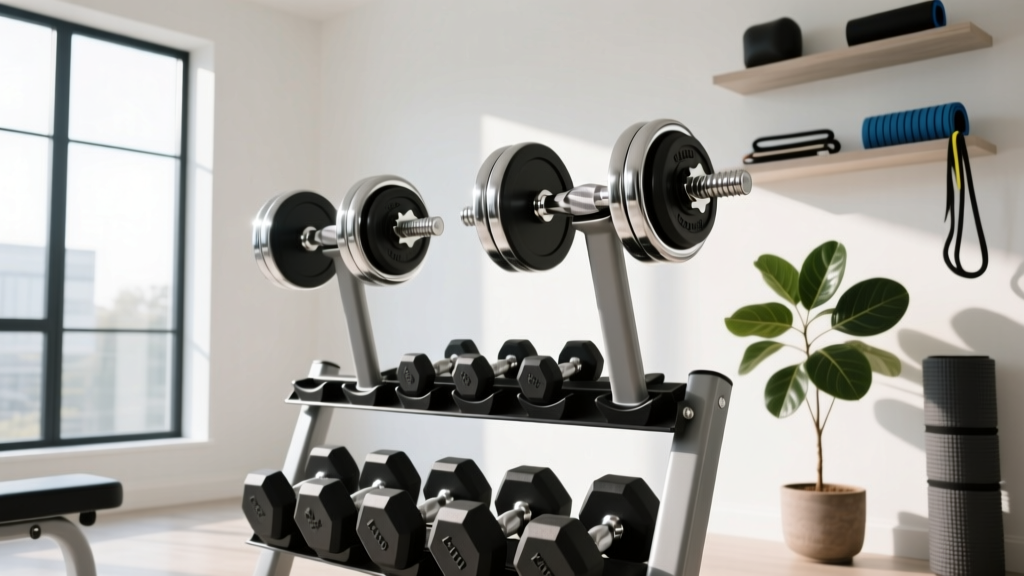
Standard vs Olympic Weight Plates: Setup & Dumbbell Drag Curl Tips
Compare standard vs Olympic weight plates for your home gym. Learn sizing, pricing, and how plate choice impacts moves like the dumbbell drag curl.

Introduction: The Foundation of Your Home Gym
Building a home gym is an exciting journey, but the sheer volume of equipment specifications can quickly overwhelm beginners. One of the most common points of confusion arises when purchasing weight plates. You will quickly notice two distinct categories: Standard and Olympic. Choosing the wrong type can result in incompatible gear, wasted money, and compromised biomechanics during your workouts. Whether you are loading up a barbell for heavy squats or micro-loading adjustable dumbbells for strict isolation work like the dumbbell drag curl, understanding the exact differences between these plate types is critical. This step-by-step guide will break down the dimensions, pricing, and practical applications of standard versus Olympic weight plates in the 2026 fitness market.
Standard vs. Olympic Weight Plates: The Core Differences
At first glance, a 10-pound standard plate and a 10-pound Olympic plate might seem identical in function. However, their physical dimensions, manufacturing tolerances, and equipment compatibility are vastly different. The primary differentiator is the center hole diameter, which dictates the type of barbell or dumbbell handle you can use.
| Feature | Standard Plates (1-inch) | Olympic Plates (2-inch) |
|---|---|---|
| Hole Diameter | 1 inch (approx. 25mm) | 2 inches (approx. 50mm) |
| Bar Compatibility | Standard thread bars, lightweight dumbbell handles | Olympic barbells, heavy-duty loadable dumbbells |
| Max Load Capacity | Typically 200 - 300 lbs | 700 - 1,500+ lbs |
| 2026 Avg. Price | $1.00 - $1.50 per lb | $1.80 - $3.50+ per lb |
| Calibration Tolerance | +/- 5% variance | +/- 1% to 2% variance |
1. Hole Diameter and Sleeve Compatibility
Standard plates feature a 1-inch (25mm) center hole. They are designed to slide onto the thinner sleeves of budget-friendly barbells and basic adjustable dumbbell handles. Olympic plates feature a 2-inch (50mm) hole, designed for the thick, rotating sleeves of commercial-grade barbells and heavy-duty specialty bars. According to comprehensive equipment breakdowns by BarBend, attempting to use Olympic plates on a standard bar is physically impossible without a sleeve adapter, while standard plates will slide loosely and dangerously on an Olympic bar.
2. Weight Calibration and Tolerance
If you buy a 10-pound standard cast iron plate, it might actually weigh 9.5 or 10.5 pounds. Standard plates are mass-produced with wider manufacturing tolerances. Olympic plates, particularly calibrated steel or high-grade rubber bumper plates, are manufactured to strict International Weightlifting Federation (IWF) standards, often boasting a +/- 1% accuracy. For beginners, this variance might not matter, but for intermediate lifters tracking progressive overload, accuracy is vital.
Step-by-Step Guide: Choosing the Right Plates for Your Goals
Follow this sequential framework to ensure you purchase the correct weight plates for your current equipment and future fitness goals.
Step 1: Audit Your Existing Bars and Handles
Before buying a single plate, measure the sleeve diameter of your barbells and dumbbell handles using a digital caliper or a standard tape measure. If your dumbbell handles measure exactly 1 inch across the sleeve, you must purchase standard plates. If you are investing in a power rack and an Olympic barbell (like the Rogue Ohio Bar), you must commit to the 2-inch Olympic ecosystem.
Step 2: Determine Your Micro-Loading Needs
Consider the exercises you perform most frequently. Isolation movements require much smaller weight jumps than compound lifts. Standard plate sets often include 1.25 lb and 2.5 lb plates, allowing for 2.5 lb total increments on a dumbbell. This micro-loading capability is crucial for exercises like the bicep curl, where jumping from 20 lbs to 25 lbs per hand is often too aggressive for tendon adaptation.
Step 3: Calculate Floor Space and Storage
Olympic plates are significantly wider and bulkier. A 45-lb standard cast iron plate has a diameter of roughly 14 inches, whereas a 45-lb Olympic rubber bumper plate has a standardized diameter of 17.7 inches (450mm). If you are building a gym in a tight apartment or small garage, standard plates require less storage rack footprint and take up less lateral space on the floor.
Application Spotlight: Loading for the Dumbbell Drag Curl
To understand how plate dimensions impact real-world biomechanics, let us examine a highly specific isolation movement: the dumbbell drag curl. According to the Exercise Prescription Network (ExRx), the dumbbell drag curl is designed to minimize anterior deltoid involvement by keeping the elbow pinned back and dragging the weight vertically up the torso.
Why does plate type matter here? It comes down to the physical profile of the dumbbell head. If you are using an Olympic loadable dumbbell handle, the thick 2-inch sleeve requires bulky Olympic plates. Even a compact 10-lb Olympic training plate adds significant lateral width to the dumbbell head. During the apex of the dumbbell drag curl, this wide dumbbell head can prematurely strike your ribcage or chest, artificially cutting short your range of motion and robbing the bicep of peak contraction.
💡 Biomechanics Pro-Tip: For the dumbbell drag curl, utilizing a 1-inch standard adjustable dumbbell handle loaded with slim, traditional cast iron standard plates allows the weight to stay perfectly flush against your torso. The slimmer profile of 1-inch plates ensures a full, unobstructed drag path, maximizing the mind-muscle connection at the top of the movement.Material Breakdown: Beyond the Hole Size
Once you have decided between standard and Olympic, you must choose the material. The 2026 market offers several distinct options, each with unique failure modes and use cases.
- Vinyl/Cement (Standard Only): The cheapest option ($0.80 - $1.00/lb). These are plastic shells filled with cement. Failure Mode: They are incredibly bulky, prone to cracking if dropped, and the cement can shift, throwing off the balance.
- Cast Iron (Standard & Olympic): The traditional choice ($1.20 - $2.00/lb). Highly durable and compact. Failure Mode: Prone to surface rust if stored in humid, unclimate-controlled garages; requires occasional wire-brushing and enamel paint touch-ups.
- Virgin Rubber (Olympic): Common in commercial gyms ($2.00 - $2.80/lb). Protects floors and dampens sound. Failure Mode: Cheap rubber off-gasses a terrible chemical odor for months and can degrade under direct UV sunlight.
- Urethane (Olympic): The premium tier ($3.00 - $5.00+/lb). Used in high-end facilities like Rogue Fitness offerings. It is odorless, UV-resistant, and highly resistant to scratching and scuffing.
Common Beginner Mistakes to Avoid
⚠️ Critical Equipment Warnings
- Buying Adapters for Heavy Lifts: You can buy metal sleeve adapters to slide 2-inch Olympic plates onto a 1-inch standard bar. Never do this for heavy lifting. Standard bars are not rated for the massive weight loads that Olympic plates can provide, leading to catastrophic bar bending or snapping.
- Dropping Cast Iron: Neither standard nor Olympic cast iron plates are designed to be dropped from overhead. Doing so will fracture the plates or destroy your subfloor. Invest in rubber bumper plates if you plan to do Olympic weightlifting or CrossFit-style drops.
- Ignoring Plate Width on Dumbbell Work: As highlighted with the dumbbell drag curl, always consider the lateral width of the loaded dumbbell. Bulky plates will physically block your body during close-quarters isolation movements.
Frequently Asked Questions
Can I mix standard and Olympic plates in the same home gym?
Yes, many home gym owners maintain a set of Olympic plates for their main power rack and barbell work, while keeping a small set of standard plates and 1-inch handles for precise isolation exercises, travel, or outdoor workouts. However, you must keep the storage racks separate to avoid confusion and safety hazards.
Why do Olympic weight plates cost so much more?
The price discrepancy is driven by material volume, manufacturing precision, and shipping weight. A 45-lb Olympic bumper plate requires significantly more raw rubber and a heavy-duty steel center insert compared to a hollow standard vinyl plate. Furthermore, calibrated Olympic plates undergo rigorous quality control to ensure exact weight tolerances.
What is the best plate type for a complete beginner?
If you are strictly on a budget and only performing basic floor presses, goblet squats, and light curls, a standard cast iron set is an excellent entry point. However, if you plan to eventually perform heavy barbell squats, deadlifts, or Olympic lifts, skipping standard plates and investing directly into an Olympic barbell and Olympic plate ecosystem will save you money in the long run by eliminating the need to upgrade your entire inventory later.
More gear to consider
All reviews
Budget Dumbbell Racks: Storing Weights for the Dumbbell Woodchopper

Olympic Dumbbell Handles vs Neoprene: Beginner Home Gym Guide
Bala Dumbbells vs Rubber Hex & Urethane: 2026 Market Trends

Power Rack vs Squat Rack vs Stand: Best Way to Do Dumbbell Rows
Setup: Dumbbell Bench Press for Beginners & Olympic vs Standard Plates