
Space Layouts & Spider Curls Dumbbells: Rubber Hex vs Urethane
Optimize your home gym layout. We compare rubber hex vs urethane dumbbells for space efficiency, durability, and executing spider curls perfectly.

The Home Gym Geometry Problem: Form Meets Function
Designing a high-performance home gym in 2026 is no longer just about buying the heaviest iron you can find; it is an exercise in spatial geometry and biomechanical precision. When outfitting a dedicated free-weight zone, the debate between rubber hex dumbbells and urethane dumbbells usually centers on budget. However, for serious lifters focused on space optimization and strict isolation movements, the shape and material density of your dumbbells dictate your entire floor plan. This is especially true when selecting the best spider curls dumbbells for your arm-day arsenal, where bench angles, wall clearances, and weight head profiles collide.
In this comprehensive layout guide, we break down exactly how rubber hex and urethane dumbbells impact your gym's footprint, storage solutions, and your ability to execute flawless spider curls without equipment interference.
Layout Pro-Tip: Before purchasing a dumbbell set, measure your wall depth. Urethane sets require specialized tiered racks with anti-roll lips, demanding up to 32 inches of depth. Hex sets can be stored on flat, heavy-duty shelving units that hug the wall at just 18 to 24 inches deep.The Space Optimization Dilemma: Stacking vs. Rolling
The most immediate impact your dumbbell choice has on your gym layout is the storage footprint. Rubber hex dumbbells, such as the widely used CAP Barbell Cast Iron with Rubber Hex series, are the undisputed champions of flat-surface stacking. Because of their six flat edges, they can be densely packed on standard industrial shelving or floor-level flat racks.
Footprint and Rack Analysis
Let us look at the spatial requirements for a standard 5 to 50-pound set (in 5-pound increments):
| Feature | Rubber Hex Dumbbells | Urethane Dumbbells (Round/12-Sided) |
|---|---|---|
| Average Cost per lb | $1.50 - $2.00 | $2.80 - $3.50 |
| Required Rack Type | Flat Shelf or A-Frame | Tiered Rack with Anti-Roll Lips |
| Rack Footprint (W x D) | 48" W x 24" D | 52" W x 32" D |
| Vertical Clearance Needed | 60" (Wall Shelf) | 45" (Floor Tiered Rack) |
If you are designing a narrow galley-style garage gym, the 8-inch depth difference between a flat hex shelf and a tiered urethane rack can be the deciding factor in whether you have enough walking clearance to safely carry heavy weights to your bench.
Biomechanics and Clearance: Executing Spider Curls
When analyzing the biomechanics of strict isolation movements, the physical geometry of the weight head becomes critical. According to the ExRx Exercise Directory, spider curls are performed lying chest-down on an incline bench (typically set to 45 degrees), with the arms hanging perpendicular to the floor to target the short head of the biceps and the brachialis.
The Hex Snag Factor
When using rubber hex dumbbells for spider curls, the sharp vertices of the hexagonal heads introduce a distinct mechanical flaw. As you lower the weight into the eccentric stretch, the protruding edges of the hex dumbbell can easily scrape against the bench's upholstery or catch on your own thighs if your stance is narrow. Furthermore, at the peak of the concentric contraction, the wide lateral footprint of hex heads often causes the dumbbells to collide prematurely, limiting your range of motion and forcing you to adopt an unnaturally wide grip.
The Urethane Advantage for Isolation
Urethane dumbbells, particularly the 12-sided polygon or perfectly round models like the Rogue Urethane Dumbbells, solve this spatial conflict. The smooth, dense profile allows the weights to glide past the bench and your legs without snagging. Because urethane is significantly denser than recycled rubber, the physical volume of the weight head is smaller. This compact profile allows you to bring the dumbbells closer together at the top of the spider curl, maximizing the peak contraction without the metal or rubber heads clanking together.
Clearance Rule of Thumb: For spider curls, ensure you have at least 18 to 24 inches of empty floor space behind the headrest of your incline bench. This prevents the dumbbells from striking the wall or your storage rack at the bottom of the eccentric phase, a common hazard in poorly planned 50-square-foot home gyms.
Material Degradation and Long-Term Layout Maintenance
Space optimization is not just about physical dimensions; it is also about environmental maintenance. In a compact, enclosed home gym (like a converted bedroom or basement), air quality and floor preservation are paramount.
- Off-Gassing and VOCs: Budget rubber hex dumbbells are frequently manufactured from recycled tires and industrial scrap. In a warm, unventilated room, these dumbbells continuously off-gas Volatile Organic Compounds (VOCs), creating a persistent 'tire shop' odor. The EPA notes that VOCs can cause significant indoor air quality issues, leading to headaches and respiratory irritation during intense cardio or high-rep arm sessions. Urethane, by contrast, is an inert, odorless polymer that will not degrade your gym's air quality.
- Floor Marking and Density: Rubber hex dumbbells often feature a softer durometer to protect floors, but this softness makes them prone to picking up debris and leaving black scuff marks on epoxy or rubber matting. Urethane is highly resistant to abrasion and will not mark your flooring, reducing the time you spend maintaining your gym's aesthetic layout.
- Drop Tolerance: While neither should be dropped from overhead, urethane can withstand the occasional heavy set-down from hip height without splitting or deforming, whereas cheap rubber hex coatings frequently peel and separate from the iron core after a year of heavy use.
Designing the Ultimate 50-Sq-Ft Arm-Day Zone
To synthesize the space-saving benefits of hex storage with the biomechanical superiority of urethane for spider curls, consider this hybrid layout framework for a compact 5x10 foot space:
- The Storage Wall (Depth: 24"): Install heavy-duty, flat industrial shelving on the back wall. Store a full set of rubber hex dumbbells here to maximize vertical space and minimize floor footprint. Keep your heavier compounds (squats, presses) utilizing this space-efficient set.
- The Isolation Cart (Depth: 18"): Invest in a small, mobile 2-tier rolling dumbbell rack. Place your top 3 to 4 pairs of premium, round urethane dumbbells (e.g., 25s, 30s, 35s, and 40s) here. These are your dedicated 'spider curls dumbbells' and isolation weights.
- The Bench Placement: Position your adjustable FID (Flat/Incline/Decline) bench at a 45-degree angle in the center of the room, facing away from the main hex storage wall. This guarantees the 24-inch clearance needed behind the headrest for deep eccentric spider curl stretches without hitting the shelving unit.
- Mirrors and Sightlines: Mount a shatterproof acrylic mirror on the side wall. Because spider curls require strict form to prevent shoulder swinging, the side-angle mirror allows you to monitor your elbow placement without needing extra floor space for a front-facing setup.
Frequently Asked Questions
Can I do spider curls with adjustable dumbbells?
Yes, but with caveats. Most adjustable dumbbells (like the Bowflex SelectTech or PowerBlock) have a blocky, rectangular profile similar to extreme hex dumbbells. While they save massive amounts of floor space, their wide heads will likely collide at the top of a spider curl, and the plastic dials can scrape against an incline bench. If adjustable dumbbells are your only space-saving option, perform spider curls with a slightly wider grip or switch to preacher curls using a dedicated preacher bench attachment.
Is urethane worth the 40% price premium for a home gym?
If your home gym is in a shared living space, bedroom, or poorly ventilated area, yes. The elimination of VOC odors and the compact head size for superior isolation movements justify the $2.50+ per pound cost. However, if you have a detached, well-ventilated garage and prioritize heavy compound lifting over strict isolation, rubber hex dumbbells remain the most space-and-budget-efficient choice.
What bench angle is best for spider curls?
A 45-degree incline is the gold standard. It places the shoulder in slight flexion, stretching the long head of the biceps while allowing gravity to pull perpendicular to the floor, maximizing tension on the brachialis and short head. Ensure your bench has a wide enough base so it does not tip forward when you lean your chest onto the pad.
Final Thoughts on Layout and Lift
Optimizing a home gym requires looking past the price tag and evaluating how equipment interacts with your physical space and your biomechanics. Rubber hex dumbbells offer undeniable advantages for high-density, flat-shelving storage, making them ideal for general fitness layouts. However, when it comes to the precise, unobstructed movement paths required for strict isolation exercises, urethane dumbbells reign supreme. By strategically planning your clearances, rack depths, and bench angles, you can create a seamless environment where space efficiency and perfect spider curl form coexist.
More gear to consider
All reviews
Barbell Collar Types: A Dumbbell Manufacturer's Troubleshooting Guide

Barbell Collar Setup for a Safe Dumbbell Workout Program
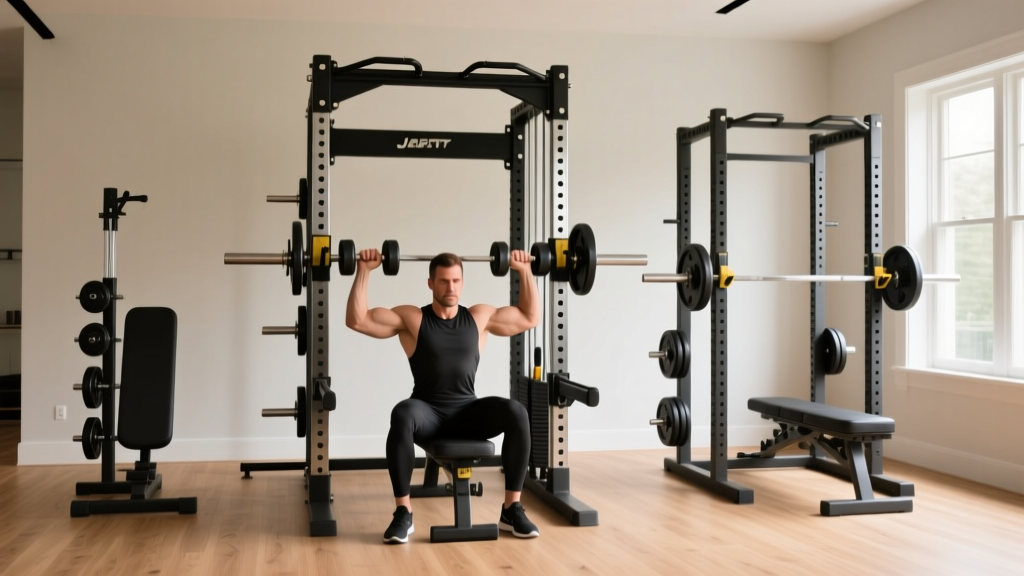
Power Rack vs Squat Rack vs Stand: Seated Dumbbell Military Press

Beyond the Dumbbells Holder: Barbell Collar & Clamp Comparison Guide

Kettlebell Care: Cast Iron vs Competition & Smith Machine Chest Press
