Single Leg Deadlift With Dumbbells: Form Mistakes & Barbell Upgrades
Master the single leg deadlift with dumbbells. Troubleshoot common form mistakes, grip failures, and learn how barbell weight and knurling impact your hinge.

The hip hinge is the cornerstone of posterior chain development, athletic power, and injury resilience. While the bilateral barbell deadlift often steals the spotlight, the single leg deadlift with dumbbells is a superior diagnostic tool for uncovering asymmetries, balance deficits, and hamstring weaknesses. However, lifters frequently hit a plateau where balance fails before muscular fatigue sets in, or they prematurely abandon dumbbells for a barbell without understanding the equipment mechanics required for heavy loading.
In this comprehensive troubleshooting guide, we will diagnose the most common form and equipment mistakes associated with unilateral dumbbell hinging. Then, we will transition into a specialized Olympic barbell buying guide: weight and knurling, addressing the exact equipment failures that occur when lifters upgrade to bilateral barbell variations like the Romanian Deadlift (RDL) or conventional pull.
Troubleshooting the Single Leg Deadlift With Dumbbells
Before adding load, we must address the biomechanical and equipment-based errors that sabotage the unilateral hinge. According to the National Strength and Conditioning Association (NSCA), unilateral exercises require significant core stabilization and anti-rotational strength, making equipment selection and pelvic control paramount.
Mistake 1: Pelvic Rotation (The "Open Door" Error)
The most frequent form breakdown during the single leg deadlift with dumbbells is the opening of the hips toward the side of the working leg. As the torso lowers, the lifter rotates their pelvis to gain a mechanical advantage, effectively turning a sagittal plane hamstring exercise into a twisted, lower-back-dominant movement.
- The Fix: Imagine a cup of water resting on your lower back. Both Anterior Superior Iliac Spines (ASIS) must remain perfectly square to the floor. If you cannot maintain this, reduce the depth of the hinge or switch to a B-stance (kickstand) deadlift until your anti-rotational core strength catches up.
Mistake 2: Dumbbell Handle Diameter and Grip Burnout
Many lifters assume their hamstrings are failing when, in reality, their grip is giving out. This is heavily dictated by dumbbell handle thickness. A standard rubber hex dumbbell (like those from Rep Fitness) typically features a 32mm handle diameter. In contrast, premium urethane dumbbells (such as Rogue Fitness Urethane series) often utilize a thicker 35mm handle to prevent the steel core from bending under heavy drops.
During a single leg deadlift with dumbbells, the lifter is balancing on one foot while gripping two heavy, thick-handled implements. The 3mm difference in diameter exponentially increases forearm fatigue. By the time you reach 70 lb. or 80 lb. dumbbells, your grip will fail long before your biceps femoris reaches maximum motor unit recruitment.
Expert Insight: If grip is your limiting factor on single-leg hinges, utilize lifting straps or switch to kettlebells. Kettlebell handles typically sit around 33mm but offer a wider horn, allowing the weight to rest more comfortably in the heel of the palm, reducing active grip crushing.
The Progression Trap: Moving to the Barbell Too Soon
A common mistake in commercial gyms is abandoning the single leg deadlift with dumbbells the moment balance becomes frustrating, immediately jumping to a loaded Olympic barbell for bilateral RDLs. This progression trap ignores the fact that barbell hinging introduces entirely new equipment variables—specifically bar whip, shaft diameter, and knurl aggressiveness—that can tear hands and ruin bar paths if not understood.
When you transition from dumbbells to a barbell, the center of mass shifts from your hands to your midfoot. To successfully troubleshoot this transition, you must understand the equipment you are pulling from the rack.
Olympic Barbell Buying Guide: Weight and Knurling Mistakes
Choosing the wrong barbell is a primary reason lifters experience grip tears, erratic bar paths, and lower back rounding during heavy hinge movements. Here is a deep dive into the equipment mistakes you must avoid when selecting an Olympic barbell for deadlifting and RDLs.
Mistake 1: Ignoring Knurl Aggressiveness and Profile
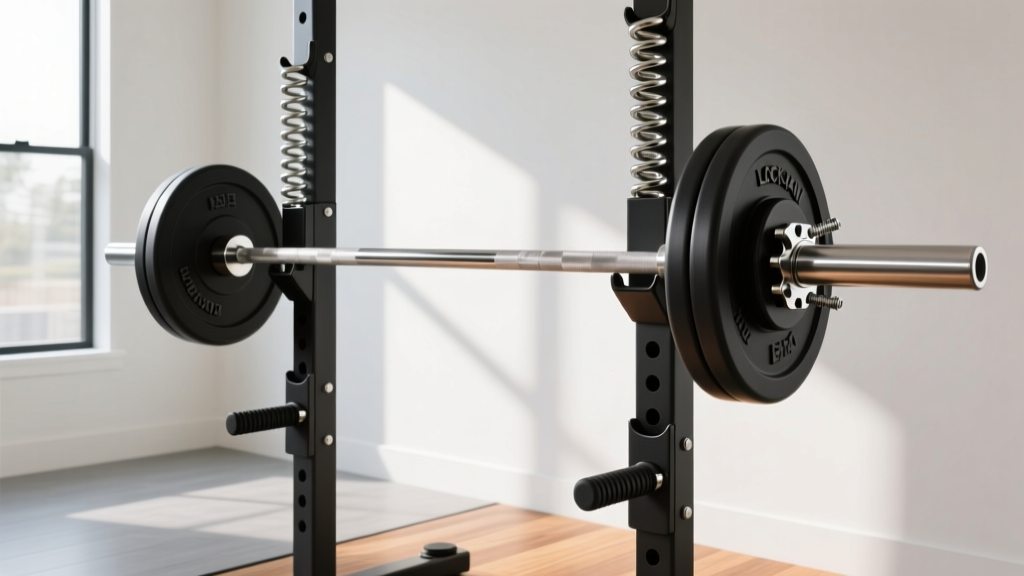
Knurling is the crosshatched pattern machined into the steel shaft of the barbell. It dictates your grip security. Selecting a bar with the wrong knurl profile for your specific lifting style leads to either catastrophic slipping or severe skin tearing.
- Mountain Knurl: Sharp, pointed peaks. Aggressive and bites deeply into the skin. Common on older, traditional power bars. Troubleshooting: Avoid for high-volume RDLs or dynamic hinges; it will tear your calluses.
- Hill Knurl: Shallow, rounded peaks. Very passive. Found on cheap commercial gym bars or technique bars. Troubleshooting: Useless for heavy deadlifts. Your hands will slide the moment sweat accumulates.
- Volcano Knurl: The gold standard for modern powerlifting. The peaks are rimmed with a small crater in the center, providing immense surface area for grip without acting like a cheese grater. The Rogue Fitness Ohio Power Bar ($395 in 2026) features a legendary volcano knurl that locks the bar to your skin without causing excessive tissue damage.
Mistake 2: Misunderstanding Tensile Strength (PSI) and Bar Whip
Weight distribution and bar "whip" (the oscillation of the barbell under load) are critical for deadlifts. Tensile strength, measured in PSI (pounds per square inch), determines how rigid the bar remains.
A standard 20kg (44 lb) Olympic barbell with a tensile strength of 165,000 PSI will bend and whip violently when loaded with 400+ lbs. This whip can throw off your center of gravity during the initial pull off the floor. Conversely, a high-quality power bar rated at 205,000 PSI or higher will remain entirely rigid, transferring force directly from your posterior chain into the floor. According to the ExRx biomechanics database, maintaining a rigid lever is essential for maximizing hamstring and glute activation without energy leaks through the equipment.
Equipment Troubleshooting Matrix: Barbell Selection
Use the table below to diagnose which barbell profile matches your current training phase and hinge variations.
| Barbell Profile | Shaft Diameter | Knurl Type | Tensile Strength | Best Use Case | Avg. 2026 Price |
|---|---|---|---|---|---|
| Technique / Light Bar (15kg) | 25mm - 28mm | Hill (Passive) | 130k - 160k PSI | Single leg deadlift with dumbbells transition, form practice | $150 - $220 |
| Olympic Weightlifting Bar | 28mm | Moderate Volcano | 190k PSI (High Whip) | Snatch, Clean & Jerk (Avoid for heavy deadlifts) | $250 - $800 |
| Modern Power Bar (e.g., Ohio Power) | 29mm | Aggressive Volcano | 205k PSI (Rigid) | Heavy RDLs, Conventional Deadlifts, Hip Thrusts | $350 - $425 |
Quick-Fix Troubleshooting Checklist
Are You Failing the Hinge? Run This Diagnostic:
- If you lose balance on the single leg deadlift with dumbbells: Drop the weight by 30%. Shift your focus to pushing your heel through the floor rather than reaching the dumbbells down. Keep your lats engaged by imagining you are squeezing oranges in your armpits.
- If your grip fails before your hamstrings on dumbbells: Your dumbbell handle is likely too thick (35mm+). Switch to kettlebells, use lifting straps, or apply liquid chalk to reduce handle slippage.
- If the barbell slips during heavy RDLs: You are likely using an Olympic weightlifting bar with passive knurling. Upgrade to a 29mm power bar with volcano knurling to instantly increase grip security without tearing your hands.
- If the barbell swings away from your shins on the concentric pull: The bar has too much "whip" for your current load, or your lats are not engaged. Engage your lats to "bend the bar" around your legs, keeping the center of mass locked over your midfoot.
Final Thoughts on Hinge Mechanics and Gear
Mastering the hip hinge requires a symbiotic relationship between biomechanical awareness and equipment literacy. The single leg deadlift with dumbbells remains an irreplaceable tool for diagnosing asymmetries and building unilateral stability, provided you manage handle diameters and pelvic alignment. When you are ready to progress to bilateral loading, do not blindly grab the nearest barbell. Understanding the nuances of Olympic barbell weight distribution, tensile strength, and knurling profiles will save your hands, protect your lower back, and ensure that your posterior chain is the true limiting factor in your training.
More gear to consider
All reviews
Pec Exercises With Dumbbells: Best Adjustable Sets (2026)
What Muscles Does Dumbbell Row Work? Neoprene Dumbbells Compared
Cast Iron vs Competition Kettlebells: Dumbbell Back Arm Workout Care
Beyond 5 Pound Dumbbell Exercises: Barbell Weight and Knurling

Top Adjustable Dumbbells for Dumbbell Shoulder Press Variations (2026)