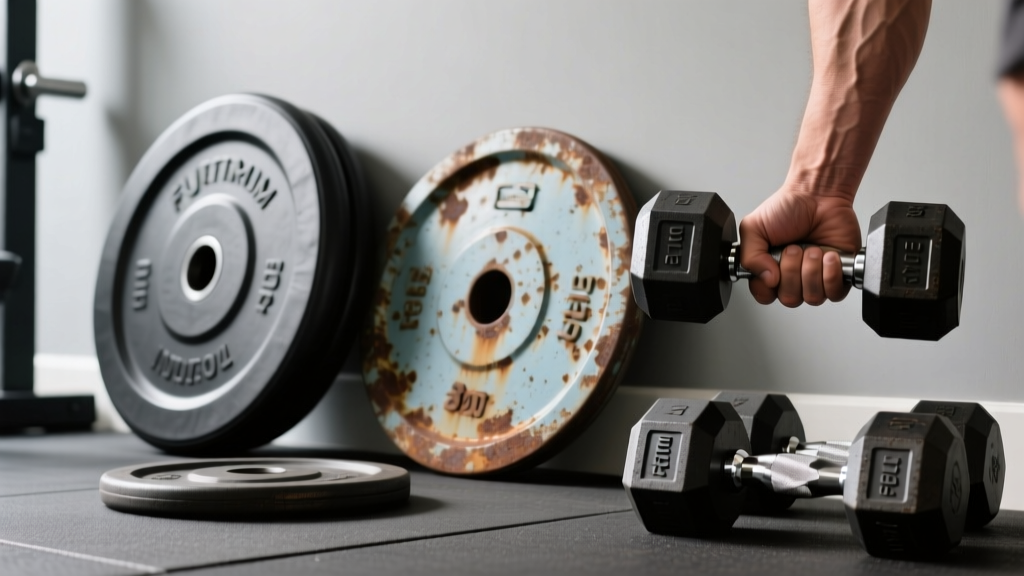
Russian Twist with Dumbbells vs Kettlebells: Cast Iron Care Guide
Master cast iron vs competition kettlebell maintenance and discover why the russian twist with dumbbells is a durable, joint-friendly alternative for core work.

The 2026 Landscape of Rotational Core Equipment
When outfitting a home gym or managing a commercial strength facility, the debate between cast iron and competition kettlebells extends far beyond mere aesthetics or price tags. As of 2026, metallurgical advancements and coating technologies have shifted the focus toward long-term equipment longevity, maintenance overhead, and biomechanical suitability for specific movements. While kettlebells remain the undisputed kings of ballistic hinge movements like swings and snatches, their design presents unique maintenance challenges—especially when utilized for seated rotational core work. Understanding the molecular differences between standard cast iron and competition steel, alongside knowing when to pivot to alternatives like the russian twist with dumbbells, is critical for maximizing your equipment's lifespan and protecting your athletes' joints.
Cast Iron vs. Competition Kettlebells: A Buyer's Maintenance Matrix
Before diving into care protocols, it is essential to understand what you are actually buying. The maintenance requirements for a $40 bare cast iron bell are vastly different from a $120 competition-grade steel bell. Below is a comparative breakdown of their structural properties and upkeep demands.
| Feature | Standard Cast Iron Kettlebell | Competition Kettlebell (Steel) |
|---|---|---|
| Core Material | Cast Iron (Porous, prone to oxidation) | Hollow Steel Shell (Non-porous, high tensile) |
| Standard Coating | E-coat, Enamel, or Bare Iron | Powder-Coat (Typically 2-3 mils thickness) |
| Rust Susceptibility | High (Requires regular oiling) | Low (Unless powder-coat is deeply chipped) |
| Handle Geometry | Variable; often thicker and untextured | Standardized 33mm; smooth for high-rep snatches |
| Primary Maintenance | Wire brushing, oiling, humidity control | Chalk removal, sweat pH neutralization |
Longevity Protocols for Cast Iron Kettlebells
Cast iron is inherently porous. Even bells treated with an e-coat (electrophoretic deposition) will eventually develop micro-fissures in the finish through repeated impacts and drops. Once moisture and the natural salts from human sweat penetrate these fissures, oxidation begins immediately.
The Monthly Seasoning Routine
Treating your cast iron kettlebells should mirror the way you treat a cast iron skillet. To maintain the handle's grip and prevent rust blooms on the bell, implement a monthly seasoning protocol:
- Cleanse: Wipe the bell down with a diluted, neutral-pH cleaner. Avoid bleach-based or highly acidic gym wipes, which strip protective oils.
- Scrub: Use a brass-bristle brush (never steel, which can embed particles and cause secondary rust) to gently agitate the handle's knurling or texture.
- Oil: Apply 3 to 4 drops of food-grade mineral oil or a specialized tool oil like 3-IN-ONE to a microfiber cloth.
- Buff: Rub the oil into the handle and the base of the bell, let it sit for 15 minutes, and buff off the excess to prevent a tacky residue that attracts dust.
Preserving Competition Kettlebells
Competition kettlebells, governed by strict dimensional standards outlined by organizations like the American Kettlebell Alliance, are constructed from steel and finished with a durable powder-coat. While they do not rust as easily as cast iron, their primary enemy is chalk buildup and sweat acidity.
Human sweat has a pH ranging from 4.5 to 7.0. When acidic sweat mixes with magnesium carbonate (gym chalk) and sits in the micro-texture of a powder-coated handle, it creates a corrosive paste that slowly degrades the coating. Over time, this leads to 'handle shine'—a smooth, polished spot where the powder-coat has been entirely worn away, exposing the raw steel beneath. To prevent this, facility managers must mandate the use of soft-bristle nylon brushes to sweep chalk out of the handle pores after every training session, followed by a wipe-down with a specialized enzymatic cleaner recommended by the National Strength and Conditioning Association (NSCA) for facility equipment sanitation.
Rotational Core Work: Why Athletes Pivot to the Russian Twist with Dumbbells
While kettlebells are phenomenal for anti-rotational carries and offset presses, using them for high-repetition, seated rotational movements introduces severe equipment wear and tear. When an athlete holds a kettlebell by the 'horns' (the sides of the handle) to perform a seated twist, the heavy iron bell inevitably swings and clanks against the user's forearms, the floor, or adjacent equipment. Over hundreds of reps, this chipping effect destroys the enamel or powder-coat on the bell's body, creating sharp rust-prone divots.
Because of this accelerated degradation, many seasoned strength coaches and physical therapists now advocate performing the russian twist with dumbbells instead. Here is why this pivot makes sense from both a biomechanical and equipment longevity perspective:
- Elimination of the 'Clank' Factor: Hex-head urethane or rubber-coated dumbbells absorb incidental contact with the floor or the user's legs without chipping paint or exposing raw metal.
- Superior Handle Hygiene: Dumbbell handles are typically knurled steel encased in a hard chrome or cerakote finish. These finishes are entirely non-porous, meaning they can be aggressively sanitized with standard gym disinfectants without the risk of stripping protective oils required by cast iron.
- Adjustable Mechanism Care: If you are performing the russian twist with dumbbells using modern selectorized models (like Nuobell or PowerBlock), the primary maintenance shifts from rust prevention to dust mitigation. The twisting motion can cause loose chalk or floor dust to migrate into the selector dials. A quick blast of compressed air into the dial mechanism once a month ensures the internal pins engage safely without slipping mid-rep.
'The tool must serve the movement, not the other way around. If holding a kettlebell by the horns compromises your wrist alignment or chips the bell's coating against your shins, switching to a neutral-grip dumbbell for rotational core work is the smarter, more sustainable choice.' — FitGearPulse Biomechanics Review Board, 2025
Step-by-Step Rust Remediation for Neglected Iron
If you have acquired a vintage cast iron kettlebell, or neglected your current fleet, surface rust is not a death sentence. You can restore the equipment to near-factory condition using a simple chemical and mechanical process:
Phase 1: Chemical Stripping
Submerge the rusted areas in a 50/50 solution of white vinegar and water for no more than 4 hours. The acetic acid will dissolve the iron oxide. Do not exceed 4 hours, or the acid will begin pitting the healthy base metal.
Phase 2: Neutralization
Remove the bell and immediately submerge it in a baking soda and water bath (1 cup baking soda per gallon of water). This halts the acidic reaction and prevents flash-rusting.
Phase 3: Mechanical Agitation
Scrub the bell vigorously with a stainless-steel wire wheel attached to a cordless drill, or use coarse 80-grit sandpaper for smaller spots. Wipe clean with a dry towel.
Phase 4: Re-Seasoning
Apply a heavy coat of mineral oil, let it penetrate overnight, and buff it down. For a more permanent, factory-like finish, you can apply a cold-bluing solution (commonly used for firearm restoration) to the handle, which chemically converts the top layer of steel into black oxide, providing a permanent barrier against moisture.
Storage and Environmental Controls for 2026
The ultimate key to free weight longevity is environmental control. According to Rogue Fitness specifications and general metallurgical best practices, steel and iron equipment should be stored in environments where the relative humidity (RH) is maintained below 50%. For garage gym owners in coastal or humid regions, investing in a commercial-grade dehumidifier is significantly cheaper than replacing a rusted-out fleet of cast iron bells. Additionally, placing large, rechargeable silica gel desiccant bins inside your enclosed weight storage cabinets can absorb ambient moisture, ensuring that whether you are reaching for a competition bell for snatches, or grabbing a hex dumbbell for your russian twist with dumbbells, the grip is pristine, safe, and built to last a lifetime.
More gear to consider
All reviews
Neoprene Dumbbell Home Setup & Mastering Dumbbell Chest Press Form

Space-Saving Loadable Handles for the Dumbbell Farmer's Walk

Gym Layouts: Bumper vs Iron Plates & Stiff Legged Deadlift Dumbbells
Dumbbell Pullover Exercise Benefits: Rack Storage & Maintenance

Rubber Hex vs Urethane: Best Picks for Light Dumbbell Shoulder Press