Rubber Hex vs Urethane: Best Dumbbells for a Dumbbell Quad Workout
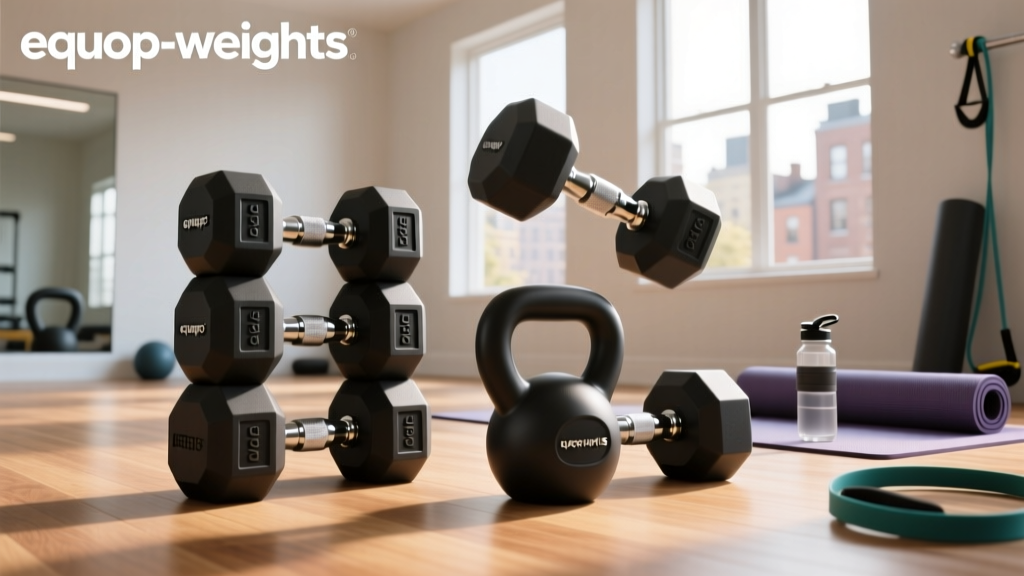
Discover whether rubber hex or urethane dumbbells survive heavy leg days. We compare top 2026 models for your ultimate dumbbell quad workout.

The Leg Day Dilemma: Why Your Dumbbell Quad Workout Demands the Right Coating
When programming a heavy dumbbell quad workout, most lifters obsess over sets, reps, and tempo. But the actual implement you hold is just as critical to your success and safety. Lower body training with free weights places unique, punishing demands on your equipment. During heavy Bulgarian split squats, dumbbell hack squats, and walking lunges, weights are dragged across the floor, slammed against your calves, and inevitably dropped from waist height when your quads reach absolute failure.
In 2026, the home and garage gym market has largely bifurcated into two primary coating camps: virgin rubber hex and premium polyurethane (urethane). While both protect your floors better than bare cast iron, their behavior under the extreme kinetic stress of a heavy leg day differs drastically. As fitness equipment reviewers who have tested dozens of variations, we are breaking down the material science, biomechanics, and real-world failure modes to help you choose the right tool for your lower body arsenal.
Quick Expert Summary
- Choose Rubber Hex If: You are on a strict budget (under $2.00/lb), primarily do goblet squats, and have a dedicated dropping mat.
- Choose Urethane If: You perform heavy unilateral movements (split squats, lunges), drop weights frequently, and want a lifetime investment that resists UV and sweat degradation.
Material Science: Rubber Hex vs. Urethane Under Load
To understand why a dumbbell quad workout destroys cheap equipment, you have to look at the molecular structure of the coatings. Standard rubber hex dumbbells are typically made from vulcanized recycled or virgin rubber. While virgin rubber avoids the noxious 'tire shop' odor associated with recycled variants, it remains susceptible to oxidation, UV degradation, and edge-chunking when dropped on hard surfaces.
Urethane, specifically cast polyurethane, is an advanced elastomer. According to material specifications from leading manufacturers like Rogue Fitness, urethane offers vastly superior abrasion resistance and tensile strength compared to standard rubber. It does not dry out, crack, or degrade when exposed to the acidic oils in human sweat or the UV rays coming through your garage window.
| Feature | Virgin Rubber Hex | Cast Urethane |
|---|---|---|
| Average Cost (2026) | $1.50 - $2.20 / lb | $3.50 - $5.00 / lb |
| Impact Absorption | High (but prone to edge splitting) | Medium-High (dense, minimal bounce) |
| Profile Density | Bulky (wider heads) | Compact (high-density polymer) |
| Edge Softness | Hard, sharp hex corners | Beveled, smoother transitions |
Biomechanics & Gear: How Dumbbell Design Impacts Quad Exercises
Not all quad exercises interact with the dumbbell in the same way. The shape and coating of your weights will directly influence your comfort, grip security, and joint alignment during a rigorous dumbbell quad workout. Referencing the movement mechanics outlined in the ExRx Exercise Directory, here is how coating choice affects the big three dumbbell leg movements:
1. The Goblet Squat (Anterior Load)
When holding a heavy dumbbell vertically against your sternum, the top edge of the dumbbell head digs into your chest and hands. Urethane wins here. Because urethane is denser, the physical profile of a 70lb urethane dumbbell is noticeably smaller than a 70lb rubber hex. Furthermore, urethane edges are typically beveled and smooth, whereas rubber hex corners can be rigid and abrasive, tearing up your calluses and bruising your clavicle during deep eccentric descents.
2. Dumbbell Hack Squat (Posterior Load)
Holding two heavy dumbbells behind your calves requires immense grip strength and places the weight directly against the muscle belly of your lower leg. Urethane is vastly superior. The sharp, 90-degree corners of a rubber hex dumbbell will bruise your calves and disrupt your balance as you descend into the hole. Urethane's slightly rounded, high-density edges sit flush against the leg without creating painful pressure points.
3. Bulgarian Split Squat (Unilateral Drop-Test)
This is the ultimate stress test. When you reach muscular failure on a heavy split squat, you do not gently place the weights down; you drop them from waist height. Rubber hex dumbbells are notorious for 'seam splitting'—where the rubber coating tears away from the metal handle upon repeated lateral impacts. Urethane's molecular bond to the steel handle and its high tear-resistance ensure it survives thousands of drops without chunking.
Hands-On Review: Top Picks for Heavy Quad Training
Rogue Urethane Dumbbells (The Premium Tank)
Rogue’s urethane lineup remains the gold standard for commercial and high-end garage gyms in 2026. Featuring a 35mm handle diameter and aggressive, CNC-machined knurling, these dumbbells provide the grip security necessary for holding 100+ lb implements during walking lunges. The urethane coating is virtually odorless and features a matte finish that doesn't become slippery when coated in sweat.
Expert Note: The 35mm handle is thicker than standard. If you have smaller hands, this may tax your grip prematurely during high-rep dumbbell front squats. Consider chalk or lifting straps for sets over 12 reps.
REP Fitness Rubber Hex Dumbbells (The Budget Workhorse)
For lifters who cannot justify spending $400 on a single pair of heavy dumbbells, the REP Fitness Rubber Hex series is the best budget alternative. Unlike cheap imported rubber that smells like a landfill, REP uses virgin rubber with a 32mm-34mm chrome-plated handle. The knurling is medium-deep, offering a great balance between grip and comfort.
Warning: To prevent the rubber heads from splitting at the handle seam during leg day drops, REP highly recommends using thick horse stall mats (3/4 inch minimum) under your lifting area. Dropping hex dumbbells on bare concrete will void the warranty and destroy the coating.
Durability & Failure Modes: What Actually Breaks First?
Through years of testing, we have cataloged the exact failure modes of both materials when subjected to lower-body training protocols:
- Rubber Hex - The 'Chunking' Effect: When dropped at an angle (common when exiting a lunge), the sharp hex corners bear the brunt of the kinetic energy. Over time, pieces of the rubber will literally chip off, leaving your floor dirty and the dumbbell unbalanced.
- Rubber Hex - UV Degradation: If your garage gym faces south and gets direct sunlight, rubber will oxidize, turning gray and becoming brittle within 18 to 24 months.
- Urethane - The Bounce Hazard: While urethane doesn't chunk, its high density means it has a slightly higher rebound coefficient on hard surfaces than soft rubber. If dropped on wood or tile, it can bounce unpredictably toward your shins.
- Urethane - Surface Scuffing: Urethane doesn't break, but it does scuff. Dragging them across rough asphalt or unfinished concrete will leave permanent black streaks on the dumbbell and the floor.
Final Verdict: Building Your 2026 Leg Day Arsenal
If your primary focus is a high-volume, heavy dumbbell quad workout featuring unilateral movements, hack squats, and frequent drops, urethane is a non-negotiable investment. The upfront cost is steep, but the elimination of seam-splitting, calf-bruising, and UV degradation makes it the most cost-effective choice over a 10-year lifespan. However, if your leg days consist primarily of goblet squats, step-ups, and controlled tempos where the weights are never dropped, a high-quality virgin rubber hex dumbbell will serve you perfectly well while leaving enough budget to invest in a proper squat rack or leg extension attachment.
Frequently Asked Questions
Can I use neoprene dumbbells for a heavy dumbbell quad workout?
No. Neoprene is a soft, foam-like coating designed for light aerobic work and physical therapy. It compresses under heavy loads, making the handle feel unstable during heavy goblet squats, and the material will tear rapidly if dropped from waist height.
Does the hex shape matter for leg workouts?
The hex shape is primarily designed to prevent rolling during floor presses and renegade rows. For leg workouts, the hex shape is actually a detriment if the corners are sharp, as they can dig into your legs during hack squats or front squats. Rounded urethane profiles are generally preferred for lower-body training.
More gear to consider
All reviews
Loadable Sets for Chest Workouts With Dumbbells at Home: 2026 Budget

Cast Iron vs Competition KB Care: 30 Min Glute Workout with Dumbbells

Care Tips When You Exercise with Dumbbells: Rubber Hex vs Urethane

Power Rack vs Squat Rack vs Stand: Full Body Dumbbell Workout for Beginners
Best Loadable Dumbbells for a Core Workout With Dumbbells
