
Rubber Hex vs Urethane: 2026 Market Trends & Vintage Dumbbell Rise
Analyze the 2026 free weight market: compare rubber hex vs urethane dumbbells and explore the surging collector trend for vintage dumbbell restorations.

The 2026 Free Weight Market: A Bifurcated Landscape
The fitness equipment manufacturing sector has undergone a radical transformation over the last three years. As we navigate the 2026 market, commercial gym owners, boutique studio operators, and serious home-gym builders are facing a highly bifurcated purchasing environment. On one side, there is the relentless, data-driven push toward high-performance polymers—specifically the ongoing battle of rubber hex vs urethane dumbbells for dominance in high-volume drop zones. On the other side, a passionate, aesthetic-driven counter-movement has emerged, fueling an unprecedented secondary market for the classic vintage dumbbell.
According to recent industry analyses by Grand View Research, the global fitness equipment market continues to expand, but the free weights sub-segment is seeing distinct polarization in consumer spending. Buyers are no longer just looking for 'heavy things to lift'; they are investing in material longevity, acoustic dampening, and, increasingly, heritage aesthetics.
2026 Market Snapshot: Free Weight Shifts
- Urethane Market Share: Up 14% in commercial sectors since 2023, driven by boutique studios demanding zero-odor environments.
- Rubber Hex Retention: Remains the volume leader in budget commercial and garage gyms, but facing scrutiny over VOC off-gassing.
- Vintage Dumbbell Index: Restored cast-iron heritage sets (1950s-1980s) have seen a 22% year-over-year price appreciation on secondary collector markets.
Performance Tier: Rubber Hex vs. Urethane Dumbbells
When outfitting a modern facility, the choice between rubber-coated hexagonal dumbbells and premium urethane dumbbells is fundamentally a decision about material science and total cost of ownership (TCO). While rubber hex dumbbells have been the industry workhorse for two decades, urethane has definitively captured the premium tier by 2026.
Material Science and Degradation Metrics
Standard rubber hex dumbbells are typically manufactured using recycled vulcanized rubber bonded to a steel or chrome-plated handle. The primary failure mode for recycled rubber is the breakdown of sulfur compounds used in the vulcanization process. This results in the infamous 'gym smell'—the release of volatile organic compounds (VOCs) that can cause headaches in poorly ventilated home gyms. Furthermore, rubber is highly susceptible to UV degradation and ozone cracking. A rubber hex dumbbell left near a sunlit garage window will develop micro-fissures within 18 to 24 months, eventually shedding black dust onto flooring.
Urethane, conversely, is a thermoset polyurethane elastomer. It is cross-linked at a molecular level without the use of sulfur, rendering it completely odorless and non-toxic. Premium urethane dumbbells (like those from Rogue Fitness or Eleiko) boast a durometer rating of 90A to 95A, making them significantly more resistant to abrasion, impact deformation, and UV radiation than standard 85A rubber.
Head-to-Head Specification Matrix
| Feature | Recycled Rubber Hex | Virgin Rubber Hex | Premium Urethane |
|---|---|---|---|
| 2026 Avg. Cost (per lb) | $1.40 - $1.80 | $2.20 - $2.80 | $3.80 - $5.50 |
| Durometer Hardness | 80A - 85A (Soft) | 88A - 90A (Medium) | 92A - 95A (Hard) |
| VOC Off-Gassing | High (Requires airing out) | Low to Moderate | Zero |
| UV & Ozone Resistance | Poor (Cracks over time) | Moderate | Excellent |
| Expected Commercial Lifespan | 2 - 4 Years | 5 - 7 Years | 10 - 15+ Years |
For high-traffic commercial facilities, the higher upfront capital expenditure of urethane is easily justified by a 300% longer lifespan and the elimination of replacement costs due to cosmetic degradation. As noted in facility management reports by Athletic Business, modern boutique fitness studios now mandate urethane in their procurement contracts to maintain luxury, spa-like air quality.
The Aesthetic Rebellion: The Surging Vintage Dumbbell Market
While the commercial sector optimizes for polymer durability, a fascinating counter-trend has taken root in the high-end home gym and collector community. Fatigued by the sterile, uniform, and purely utilitarian look of modern black rubber and urethane, a growing demographic of lifters are actively hunting for the perfect vintage dumbbell set.
Why Lifters Are Hunting Antique and Retro Cast Iron
The modern vintage dumbbell market is not merely about nostalgia; it is about tactile feedback, historical provenance, and interior design. Heritage cast-iron dumbbells—specifically round-head models from the mid-20th century—offer a distinct center of gravity and a raw, knurled steel handle that many purists argue provides a superior grip compared to modern ergonomic, rubber-padded handles.
"There is a undeniable soul to a 1960s Jackson International or a York deep-dish hex dumbbell. When a client spends $50,000 outfitting a luxury garage gym, they don't want it to look like a strip-mall health club. They want heritage pieces that look like industrial art. A restored vintage dumbbell set serves as the centerpiece of the room."
— Marcus Thorne, Bespoke Home Gym Architect & Equipment Restorer
Pricing and Restoration Economics
Acquiring and restoring a vintage dumbbell set in 2026 requires deep pockets and patience. The most sought-after models include:
- York Barbell 'Deep Dish' Hex (1970s): Characterized by their recessed weight markings and iconic gold or silver paint fill.
- Jackson International Round-Head (1950s-60s): Prized for their massive, smooth cast-iron globes and thick, straight steel handles.
- Early Ivanko Chrome (1980s): Before the brand shifted heavily to rubberized coatings, their pure chrome, knurled-handled dumbbells were the gold standard of commercial gyms.
The restoration process is highly specialized. Professional restorers avoid sandblasting, which destroys the crisp edges of the cast-iron lettering. Instead, they utilize electrolysis tanks or chemical chelation (using products like Evapo-Rust) to strip decades of oxidization without removing the base metal. Once stripped, the iron is treated with a tannic acid converter and sealed with a satin-clear automotive enamel to preserve the pitted, authentic patina while preventing future rust. Due to the intense labor and scarcity of complete, matched sets, fully restored vintage dumbbells currently command between $5.00 and $9.00 per pound on the secondary market—often exceeding the cost of brand-new, top-tier urethane.
Investment Framework: Where Should You Allocate Your Budget?
Navigating the 2026 free weight market requires aligning your purchases with your specific operational or aesthetic goals. Use the following decision matrix to determine your optimal equipment tier:
- The High-Volume Commercial Facility: Choose Urethane. If your dumbbells will be dropped on rubber flooring 500 times a day by paying members, urethane's 95A durometer and impact resistance are non-negotiable. Budget $4.50/lb and expect a 15-year ROI.
- The Budget-Conscious Garage Gym: Choose Virgin Rubber Hex. If you are buying a single set of 5-50 lbs for personal use and can air them out in the driveway for a week before bringing them inside, virgin rubber hex offers the best balance of floor protection and cost at roughly $2.50/lb.
- The Luxury / Collector Studio: Choose the Vintage Dumbbell. If your gym is an extension of your home's architecture and you prioritize aesthetics, grip mechanics, and historical weightlifting culture, allocate a premium budget to source and professionally restore a mid-century cast-iron set.
Future Forecast: What's Next for Free Weight Manufacturing?
As we look toward the late 2020s, the divide between hyper-engineered polymers and heritage aesthetics will only widen. We are already seeing boutique manufacturers attempting to bridge this gap by casting new dumbbells using antique molds, pairing vintage deep-dish aesthetics with modern, odorless elastomer coatings. However, for the purist, nothing will ever replace the cold, unyielding grip of genuine, mid-century cast iron. Whether you are calculating the TCO of urethane or bidding on a rare vintage dumbbell lot, the 2026 market demands that you know exactly what you are paying for—be it molecular durability or industrial history.
More gear to consider
All reviews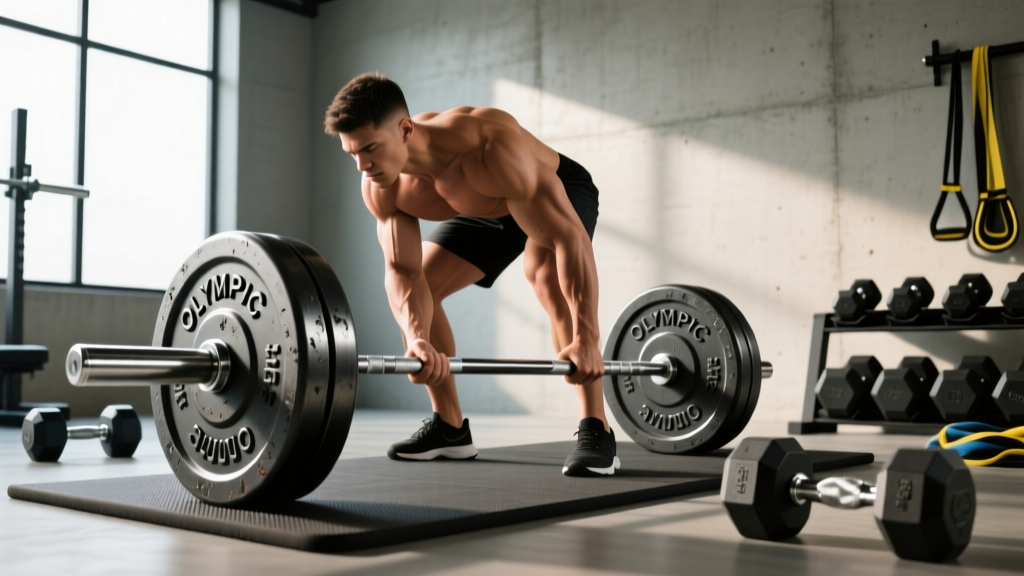
Olympic Barbell Guide: Knurling, Weight & 3 Point Dumbbell Row Tips
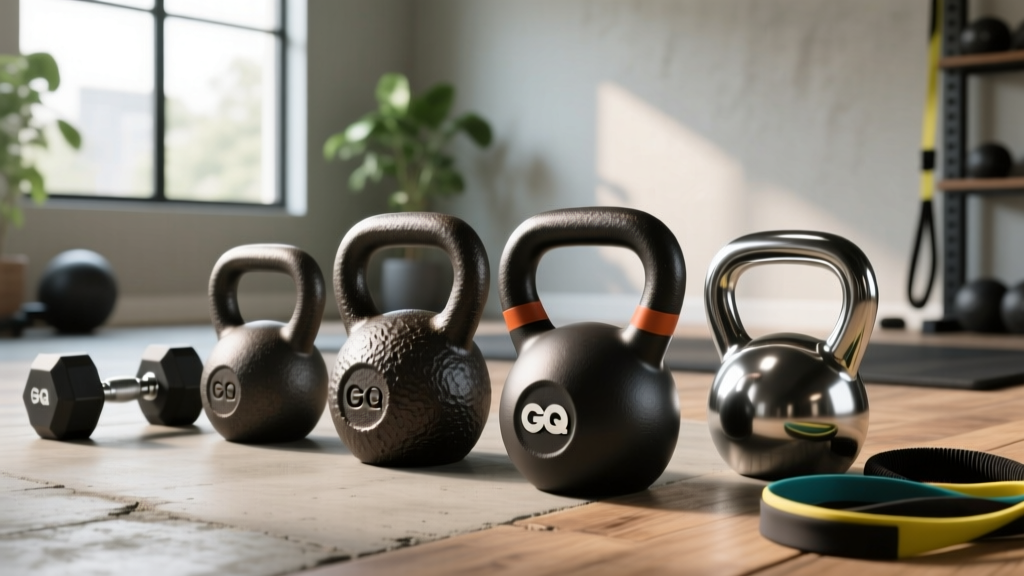
Cast Iron vs Competition Kettlebells: Care & Back and Bi Workout with Dumbbells
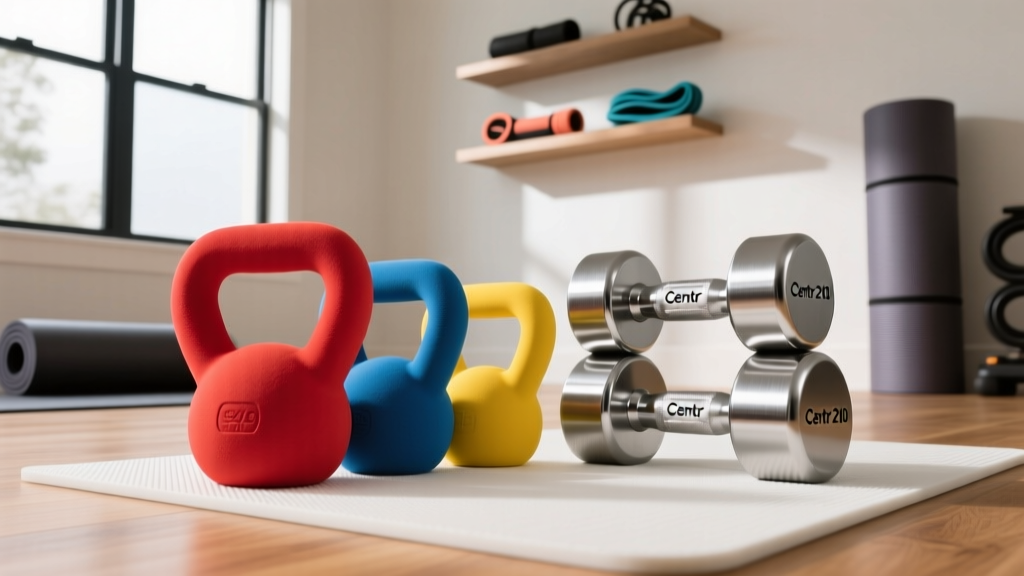
Neoprene Dumbbells vs Centr 210 Dumbbell Set: Beginner Guide

Space-Saving Flat Bench with Dumbbells: Loadable Plate Guide

Olympic Dumbbell Handles vs Neoprene: Beginner Home Gym Guide
