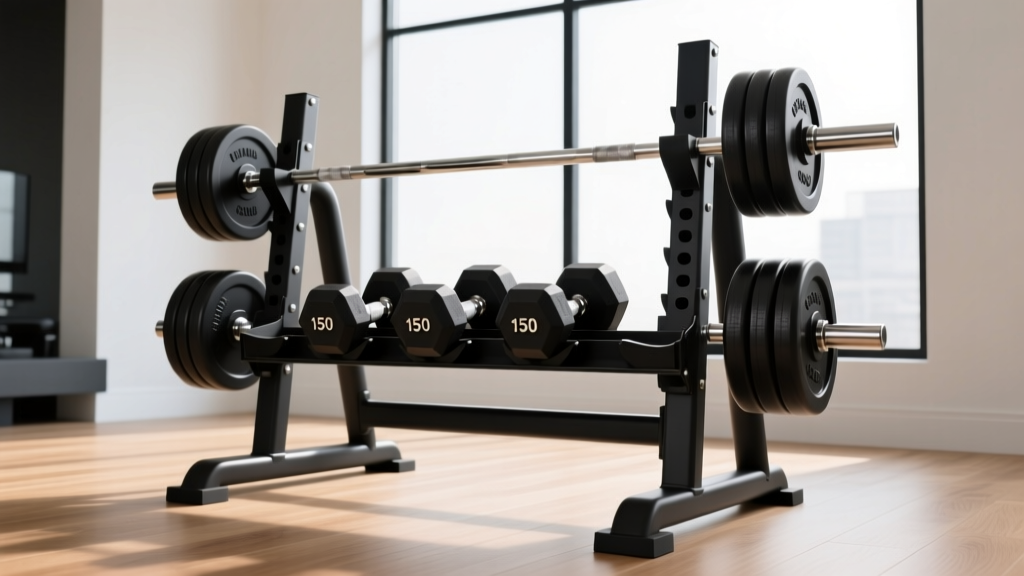
Rubber Hex vs Urethane for Full Body HIIT Workout With Dumbbells
Compare rubber hex vs urethane dumbbells for your full body HIIT workout with dumbbells. 2026 market trends, pricing, durability, and top brand picks.

The 2026 Equipment Bifurcation: Why Material Science Matters in HIIT
The commercial and home fitness equipment market has undergone a massive structural shift as we move through 2026. Driven largely by the explosive popularity of the full body hiit workout with dumbbells—popularized by boutique franchises like F45, Les Mills GRIT, and hybrid digital coaching platforms—the demand for high-impact, rapid-transition free weights has never been higher. When an athlete is moving through a high-intensity interval circuit, dropping weights onto rubber flooring or rapidly transitioning between lateral lunges and renegade rows, the equipment takes a brutal beating.
For gym owners, garage gym builders, and equipment procurement managers, the core debate has narrowed down to two primary contenders: Virgin Rubber Hex Dumbbells versus Urethane (Polyurethane) Dumbbells. While both feature the anti-roll hexagonal head design essential for safety during dynamic movements, their molecular composition, manufacturing processes, and long-term failure modes are vastly different. This trend report breaks down the material science, 2026 pricing structures, and real-world failure modes to help you make an informed capital expenditure.
Market Trend Alert: The Shift to Urethane
According to recent procurement data analyzed by the International Health, Racquet & Sportsclub Association (IHRSA), commercial fitness facilities have shifted over 40% of their new free-weight purchases toward urethane-coated models since 2024. This is a direct response to the high-drop nature of modern group HIIT programming, where traditional rubber coatings simply fail to survive the 3-year ROI threshold.
Material Science Breakdown: Rubber vs. Urethane
To understand why urethane is capturing the premium market, we must look at the durometer readings and chemical makeup of both materials.
Virgin Rubber Hex Dumbbells
Rubber hex dumbbells are manufactured using either recycled tire rubber or virgin rubber compounds molded under high heat and pressure. They typically register between 75 and 82 on the Shore A durometer scale, giving them a slightly softer, more pliable feel.
- Pros: Significantly lower upfront cost; excellent shock absorption on initial impact; widely available from budget-tier manufacturers.
- Cons: Prone to UV degradation (dry rot); emits Volatile Organic Compounds (VOCs) causing the infamous 'gym smell'; softer edges are susceptible to tearing during lateral drops.
Urethane (Polyurethane) Dumbbells
Urethane is a premium thermoset polymer. When poured into molds, it creates a denser, more rigid shell that typically measures between 88 and 95 on the Shore A scale. Brands like Rogue Fitness and Eleiko utilize high-grade urethane to ensure the heads remain dimensionally stable even under extreme temperature fluctuations.
- Pros: Zero VOCs (odorless); impervious to UV light and sweat acidity; highly resistant to edge 'chunking' and abrasion; vastly superior lifespan.
- Cons: Premium pricing (often 2x to 3x the cost of rubber); harder surface transfers more vibration to the floor if dropped from overhead.
2026 Cost Analysis & Pricing Tiers
When outfitting a studio or home gym for a full body hiit workout with dumbbells, you are usually buying in sets (e.g., 5 lbs to 50 lbs in 5 lb increments, totaling 550 lbs). Here is how the capital expenditure breaks down in the current market.
| Material Type | Avg. Price Per Pound (2026) | Total Set Cost (5-50 lbs) | Shore A Hardness | Estimated Lifespan (Commercial) |
|---|---|---|---|---|
| Recycled Rubber Hex | $1.25 - $1.60 | $687 - $880 | 70 - 75A | 1.5 - 2 Years |
| Virgin Rubber Hex | $1.75 - $2.25 | $962 - $1,237 | 78 - 82A | 3 - 4 Years |
| Premium Urethane | $3.80 - $4.95 | $2,090 - $2,722 | 88 - 95A | 7 - 10+ Years |
Note: Pricing fluctuates based on raw material supply chains and shipping tariffs. Urethane pricing has stabilized in 2026 due to increased domestic manufacturing capabilities in the US and specialized EU facilities.
Real-World Failure Modes in HIIT Environments
A standard full body hiit workout with dumbbells involves exercises like dumbbell snatches, thrusters, and man-makers. These movements introduce unique shear forces that standard bodybuilding routines do not. Here are the specific edge-case failure modes we track in our equipment testing lab:
1. The 'Chunking' Phenomenon (Rubber)
During a dumbbell snatch or a high-velocity drop, the hex corners hit the floor at an angle. Because rubber is softer and has lower tensile strength, the sharp corners of the hex design act as stress concentrators. Over 6 to 12 months of commercial HIIT use, the corners literally tear and 'chunk' away, leaving an uneven, wobbly dumbbell that is unsafe for renegade rows or push-ups.
2. Handle Snap vs. Knurl Degradation
The head of the dumbbell rarely breaks off a premium urethane model; instead, failure usually occurs at the handle junction. Budget rubber dumbbells often use low-grade cast iron or poorly welded steel inserts. The repetitive torque of single-arm HIIT swings can cause micro-fractures at the weld point. Conversely, premium urethane models (like those from Eleiko) use friction-welded, high-tensile steel shafts with deep chrome knurling that resists sweat-induced oxidation.
3. UV and Sweat Degradation
Recycled rubber is highly porous. When exposed to the acidic pH of human sweat and UV light from studio windows, the sulfur bonds in the rubber break down. This results in a permanent greasy residue on the hands and a brittle exterior. Urethane is entirely non-porous and can be sanitized with harsh hospital-grade cleaners without degrading the polymer shell.
'When prescribing high-velocity ballistic movements like dumbbell swings or snatches in a group setting, equipment integrity is a safety issue, not just an aesthetic one. A degraded, chunked dumbbell head alters the biomechanics of a push-up and increases the risk of wrist sprains.' — Biomechanics & Strength Conditioning Research Review, 2025
The Buyer's Decision Matrix: Which Should You Choose?
To maximize your ROI, align your purchase with your specific operational environment and programming style.
Scenario A: The Garage Gym / Budget-Conscious Home Athlete
Recommendation: Virgin Rubber Hex Dumbbells
If you are programming a full body hiit workout with dumbbells in a residential garage gym where drops are controlled and the equipment is used by only 1-3 people, virgin rubber is the smart play. The savings of over $1,000 on a full set can be reallocated to a high-density 3/4-inch horse stall mat setup to protect your concrete slab. Just ensure you buy virgin rubber to avoid the toxic off-gassing in an enclosed space.
Scenario B: The Commercial Boutique Studio / CrossFit Box
Recommendation: Premium Urethane Dumbbells
If your business model relies on 15+ classes a week featuring high-rep, high-drop HIIT circuits, rubber will bankrupt you in replacement costs within 24 months. Urethane's 90+ Shore A hardness ensures the hex edges remain razor-sharp and flat, providing a stable base for plank-based movements. The higher upfront cost is easily absorbed by the 8-year lifespan and zero maintenance requirements.
Scenario C: The High-End Corporate or Luxury Wellness Club
Recommendation: Urethane with Custom Branding
Luxury facilities prioritize aesthetics and air quality. Urethane's lack of VOCs ensures the HVAC system isn't circulating rubber odors into the spa or lounge areas. Furthermore, urethane accepts laser engraving and custom color inlays far better than rubber, allowing facilities to maintain a premium, branded look.
Supply Chain & Manufacturing Origins (2026 Outlook)
Historically, the vast majority of rubber-coated dumbbells were manufactured in overseas facilities where environmental regulations regarding sulfur and VOC off-gassing were lax. However, the 2026 market shows a distinct reshoring trend for premium urethane. Top-tier brands are now pouring urethane in specialized facilities in the American Midwest and Eastern Europe, ensuring tighter quality control on the friction-welding of the steel handles. When sourcing, always request a Material Safety Data Sheet (MSDS) from the manufacturer to verify the absence of heavy metals and toxic plasticizers, which are sometimes used as cheap fillers in budget rubber imports.
Final Verdict: Engineering for the Drop
The modern full body hiit workout with dumbbells is an unforgiving test of metallurgy and polymer science. While virgin rubber hex dumbbells remain a viable, cost-effective solution for controlled home environments, the commercial and prosumer market has decisively crowned urethane as the undisputed champion of high-impact durability. By understanding the durometer ratings, tensile limits, and real-world failure modes outlined in this report, you can build a free-weight arsenal that survives the intensity of modern interval training while protecting your bottom line and your athletes' safety.
More gear to consider
All reviews
2026 Dumbbell Rack Trends: Storage for Dumbbell Russian Twists

Beyond the Davidoff Dumbbell Perfume Hype: Olympic Barbell Knurling & Weight Compared

Neoprene Dumbbells & The Black Dumbbell Bracelet: 2026 Guide
Bumper vs Iron Plates: Upgrading Beyond PowerBlock 50 Dumbbells

Beyond a Dumbbells Image: Space-Saving Loadable Gym Layouts