
Rubber Hex vs Urethane: Maintenance for Dumbbell Flyes for Man Boobs
Discover how to maintain rubber hex vs urethane dumbbells for high-rep dumbbell flyes for man boobs. Expert longevity tips, cleaning, and repair.

When targeting stubborn chest fat and building the pectoralis major, high-volume isolation movements are a staple in most hypertrophy programs. Specifically, dumbbell flyes for man boobs (a colloquial term for reducing chest adipose tissue while building underlying muscle) require moderate weights and high repetitions—often 4 to 5 sets of 15-20 reps. This high-rep, high-sweat environment places unique mechanical and chemical stress on your equipment.
If you are outfitting a home gym in 2026 or managing a commercial fitness space, choosing between rubber hex dumbbells and urethane dumbbells is a critical financial and practical decision. Both serve the purpose, but their material science, failure modes, and maintenance requirements are vastly different. Below, we break down the exact maintenance protocols required to maximize the lifespan of both types of dumbbells under the rigorous demands of daily chest isolation work.
The Biomechanics of Wear: High-Rep Flyes and Equipment Stress
According to EMG analyses published in the National Center for Biotechnology Information, dumbbell flyes provide exceptional targeted activation for the sternal head of the pectoralis major. However, the nature of the exercise means the dumbbells are constantly being picked up from the floor or a rack, clanked together at the top of the movement, and set down rapidly between sets.
Furthermore, high-rep sets designed for metabolic stress and caloric expenditure generate significant sweat. Human sweat has a pH ranging from 4.5 to 7.0, making it mildly acidic. When this acidic moisture pools on dumbbell handles and heads, it accelerates oxidation on metal and degrades lower-quality elastomers over time.
Rubber Hex Dumbbells: Material Science and Failure Modes
Standard rubber hex dumbbells (like the widely used Rogue Rubber Hex Dumbbells or CAP Barbell models) are the budget-friendly workhorses of the fitness industry. In 2026, these typically cost between $1.80 and $2.50 per pound. The 'rubber' used is often a vulcanized blend of natural and synthetic rubber, sometimes incorporating recycled tire materials.
Common Failure Modes
- UV and Ozone Degradation: If stored near a window or in a garage, UV rays break down the polymer chains in standard rubber, causing the surface to become sticky, chalky, or brittle.
- Odor Off-Gassing: Cheaper rubber compounds release volatile organic compounds (VOCs). While this fades, heavy use and heat can reactivate the smell.
- Handle Oxidation: Most rubber hex dumbbells feature chrome-plated handles. If the chrome layer is thin, sweat penetration leads to rust pitting, which destroys the knurling and tears up your calluses during heavy flye sets.
- Hex Edge Chipping: Dropping rubber hex dumbbells on hard surfaces can cause the rubber to tear away from the cast iron core, exposing the metal to rust.
Urethane Dumbbells: The Premium Longevity Playbook
Urethane (specifically thermoset polyurethane) is the gold standard for premium gym equipment. Models like the Rogue Urethane Dumbbells or Ivanko SUPER-Grips represent a higher upfront investment—often ranging from $4.00 to $6.50 per pound—but offer vastly superior material properties.
Expert Insight: Urethane is measured on the Shore A hardness scale. Premium dumbbell heads are typically poured at 85A to 90A, making them incredibly resistant to abrasion, UV light, and acidic sweat. Unlike rubber, urethane does not off-gas, making it the only viable choice for unventilated home gyms or apartments.Common Failure Modes
Urethane heads are nearly indestructible in a standard gym environment. The primary failure point is the handle. Because urethane is often paired with high-grade stainless steel or heavily chrome-plated shafts with aggressive knurling, the grooves can become packed with dead skin, chalk, and sweat salts, requiring specific maintenance to prevent bacterial growth and knurling dulling.
Head-to-Head Comparison Matrix
| Feature | Rubber Hex (Standard) | Urethane (Premium) |
|---|---|---|
| Cost per Pound (2026) | $1.80 - $2.50 | $4.00 - $6.50 |
| UV / Sunlight Resistance | Poor (Degrades/Sticky) | Excellent (Stable) |
| Sweat pH Tolerance | Moderate (Can stain) | High (Impervious) |
| Drop Tolerance (Floor) | Moderate (Edges chip) | High (Absorbs shock) |
| Maintenance Time/Week | 15 Minutes (Wipe & Condition) | 5 Minutes (Brush handles) |
| Expected Lifespan | 3 - 5 Years (Heavy Use) | 10 - 15+ Years |
The 10-Minute Weekly Maintenance Protocol
To ensure your dumbbells survive thousands of reps of chest isolation work, implement this specific weekly maintenance routine. Neglecting this will result in degraded equipment that can ruin your workout experience and potentially cause skin infections from bacteria trapped in rusted knurling.
For Rubber Hex Dumbbells
- Surface Cleaning: Mix a solution of 1 part mild dish soap to 10 parts warm water. Never use bleach or ammonia-based cleaners, as these accelerate the breakdown of vulcanized rubber.
- Wipe Down: Use a microfiber cloth dampened with the solution to wipe the rubber heads, removing acidic sweat and body oils.
- UV Protection (Quarterly): Apply a very thin layer of 303 Aerospace Protectant or a silicone-based rubber conditioner to the heads to prevent drying and cracking. Buff off any excess to avoid a slippery grip.
- Handle Oiling: Apply two drops of mineral oil or 3-in-One oil to the chrome handle. Work it into the knurling with a stiff nylon brush, then wipe completely dry with a clean rag to prevent rust.
For Urethane Dumbbells
- Head Sanitization: Urethane is non-porous. A simple wipe-down with a gym-safe quaternary ammonium disinfectant wipe is all that is needed to remove sweat and chalk.
- Knurling Deep Clean: Use a brass wire brush (for stainless steel handles) or a nylon brush (for chrome handles) to scrub out dead skin and chalk from the knurling grooves.
- Shaft Lubrication: Once a month, apply a light coat of mineral oil to the shaft to maintain the steel's integrity and keep the knurling feeling 'sharp' and grippy for your flye sets.
Warning: Never use WD-40 on dumbbell handles. WD-40 is a solvent and water displacer, not a long-term lubricant. It will strip away existing protective oils, attract dust, and ultimately leave your knurling gummy and prone to flash rusting.
Edge Cases: When to Retire Your Dumbbells
Even with meticulous care, equipment eventually reaches the end of its lifecycle. Knowing when to retire a dumbbell is crucial for safety, especially during movements like dumbbell flyes where a failed piece of equipment could result in a severe shoulder or facial injury.
- Exposed Cast Iron (Rubber Hex): If the rubber casing cracks deeply enough to expose the inner cast iron core, the structural integrity of the shock-absorption is gone. The exposed iron will rust rapidly, and the dumbbell should be retired or professionally re-coated.
- Loose End-Caps or Welds: If you hear a rattling sound or feel the head shifting on the handle shaft during the eccentric lowering phase of a flye, the internal weld or bolt has failed. Stop using it immediately.
- Severe Knurling Pitting: If rust has pitted the handle deeply enough to create sharp edges that tear your skin, no amount of wire brushing will fix it. It is time to replace the set.
Expert Verdict: Which Survives Your Chest Day?
If your primary goal is performing high-rep dumbbell flyes to shape the chest and reduce fat, your dumbbells will be subjected to immense sweat exposure and frequent floor contact. Rubber hex dumbbells are an excellent entry point if you are on a strict budget and have a well-ventilated, climate-controlled space. However, they demand rigorous weekly cleaning to prevent the rubber from degrading and the handles from rusting.
If your budget allows, urethane dumbbells are the undisputed champions of longevity. Their imperviousness to sweat, UV light, and dropping makes them a 'buy it for life' investment. For the dedicated home gym owner tired of wiping down sticky rubber and fighting handle rust, urethane provides a premium, maintenance-light experience that lets you focus entirely on your next set.
More gear to consider
All reviews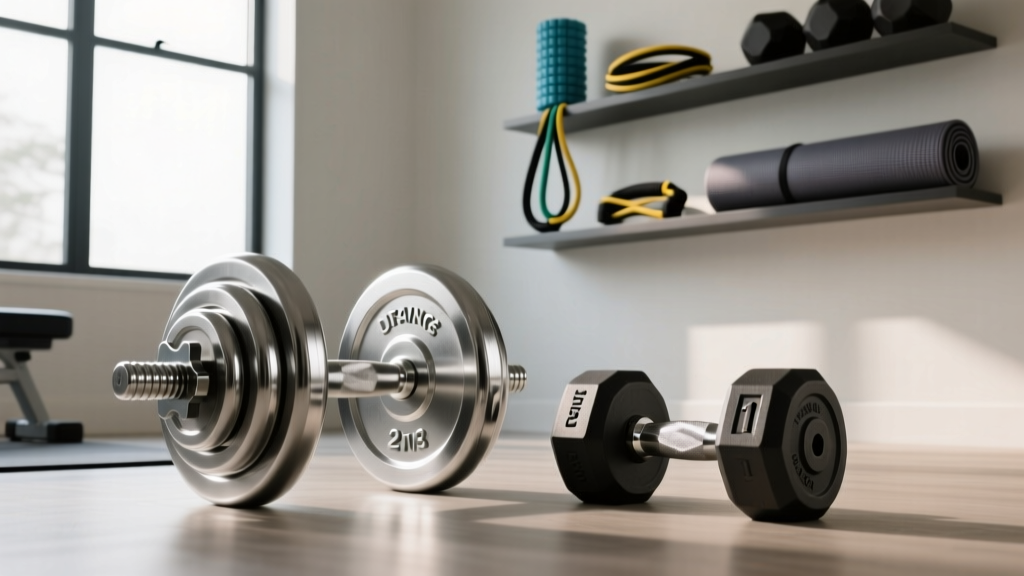
Olympic vs Standard Plates: Upgrading Your LS Dumbbell
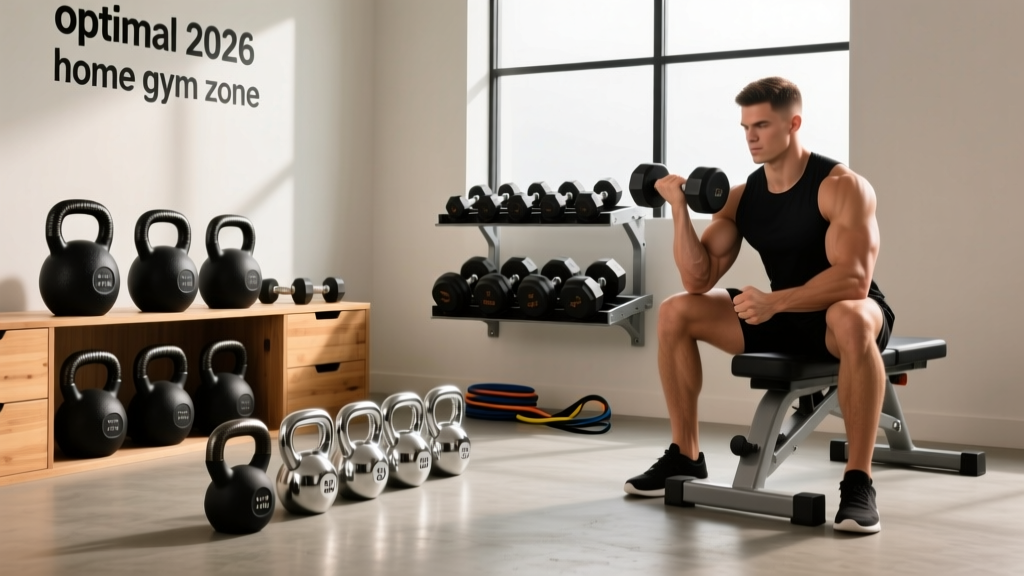
Cast Iron vs Competition Kettlebells & Seated Dumbbell Wrist Curl

2026 Market Trend: Standing Row Dumbbells & Loadable Plate Systems
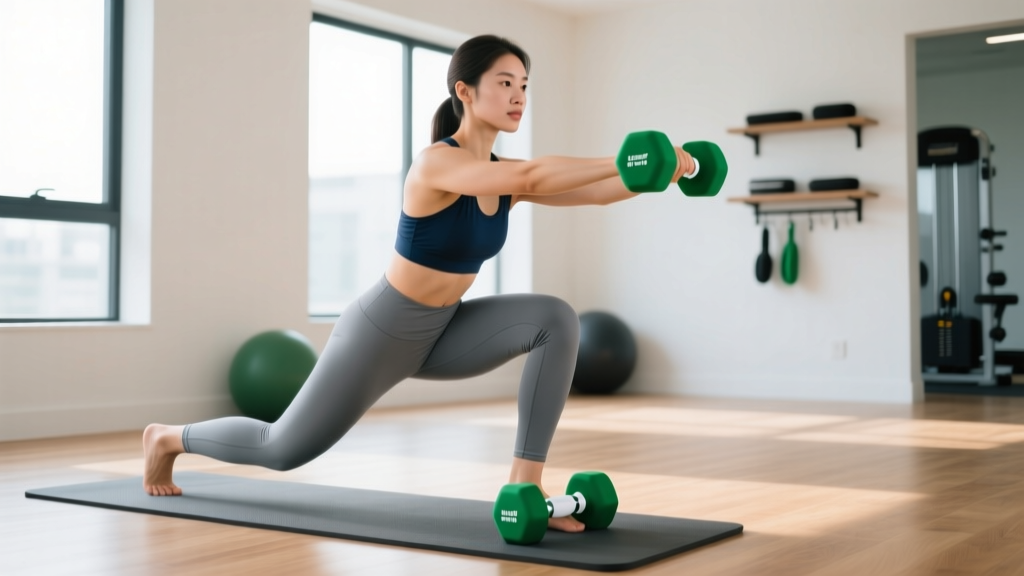
Front Lunges with Dumbbells: A Beginner's Guide to Neoprene Weights

Beyond the Lunge Dumbbell: Olympic vs Standard Plate Mistakes
