Power Rack vs Squat Rack vs Squat Stand for a Female Lower Body Dumbbell Workout
Compare power racks, squat racks, and squat stands to build the perfect home gym for your female lower body dumbbell workout. Step-by-step buyer guide.

Do You Actually Need a Rack for Dumbbell Workouts?
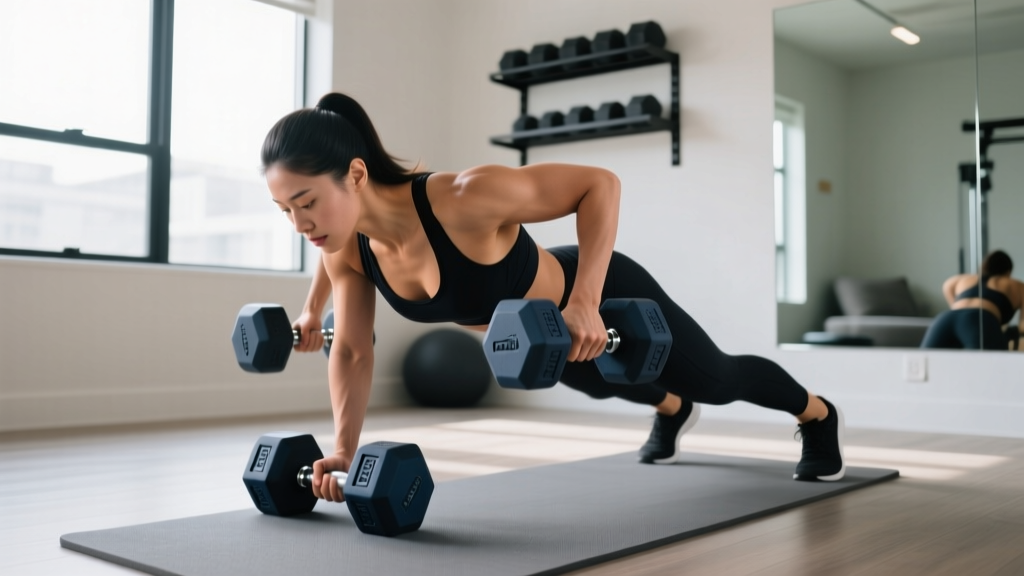
When embarking on a new fitness journey, many women assume that a successful lower body dumbbell workout only requires a set of hex dumbbells, a yoga mat, and sheer willpower. While you can certainly perform goblet squats and lunges in an empty room, as your strength progresses, the logistics of heavy dumbbells become a major hurdle. Lifting 50-pound dumbbells from the floor to your shoulders for a heavy set of Bulgarian split squats is not just inefficient; it is a primary cause of lower back strain.
This is where the debate between a power rack vs squat rack vs squat stand becomes critical. A rack is not just for barbell back squats. For a dedicated female lower body dumbbell workout routine, the right rig provides essential dumbbell storage, a safe zone for heavy hip thrusts, band attachment points for resisted glute kickbacks, and a pull-up bar for core and upper body accessories. According to the Centers for Disease Control and Prevention (CDC), adults should engage in muscle-strengthening activities of moderate or greater intensity at least two days a week, making a safe, ergonomic home setup a long-term health investment.
This step-by-step guide will walk you through choosing the exact right rack for your space, budget, and specific dumbbell movements.
The Core Differences: Squat Stand vs. Half Rack vs. Power Rack
Before measuring your ceiling height, you need to understand the structural differences between the three main types of home gym racks. The table below breaks down the 2026 market standards for each category.
| Feature | Squat Stand | Half Rack (Squat Rack) | Full Power Rack |
|---|---|---|---|
| Footprint | Minimal (approx. 4x4 ft) | Moderate (approx. 4x5 ft) | Large (approx. 4x8 ft) |
| Upright Steel | Usually 2x2 or 3x3 inch | Typically 3x3 inch 11-gauge | 3x3 inch 11-gauge standard |
| Dumbbell Storage | None (requires separate floor rack) | Excellent (rear uprights act as counterweight) | Good (side or rear attachments) |
| Safety Spotting | Poor (arms can tip if not anchored) | Good (safe for floor work and bench) | Superior (enclosed safety straps/pins) |
| Avg. Price (2026) | $250 - $450 | $600 - $1,100 | $800 - $1,800+ |
Step-by-Step: Designing Your Lower Body Dumbbell Workout Space
Choosing the right equipment requires a methodical approach. Follow these three steps to ensure your rack supports your specific biomechanical needs and spatial constraints.
Step 1: Evaluate Your Footprint and Ceiling Height
The most common beginner mistake is buying a standard 90-inch rack for a room with an 8-foot (96-inch) ceiling, forgetting to account for the height of the user and the dumbbells. If you are 5'6" and holding a dumbbell overhead during a lunge or calf raise, you need at least 84 inches of clearance.
- Short Racks (72-inch): Ideal for basements and garages with low ceilings. You can perform almost all lower body dumbbell movements, but tall users may need to step outside the rack for overhead carries.
- Standard Racks (90-inch): Best for rooms with 9-foot ceilings or higher, allowing for full pull-up bar clearance and tall user movement.
Step 2: Match the Rig to Your Specific Dumbbell Movements
Your primary lower body exercises dictate the accessories and rack type you need. The Mayo Clinic emphasizes that proper form and joint alignment are paramount in resistance training. Here is how rack features align with common dumbbell movements:
- Dumbbell Hip Thrusts: You need a rig that accommodates a heavy, adjustable bench. A Half Rack or Power Rack with Westside hole spacing (1-inch hole spacing in the lower bench zone) allows you to set up safety spotter arms perfectly at hip height, saving your lower back if a heavy dumbbell slips off your pelvis.
- Bulgarian Split Squats & Step-Ups: These require lateral space. A Squat Stand offers the most open footprint, allowing you to step wide without hitting vertical uprights.
- Resisted Glute Kickbacks & Band Work: A Full Power Rack or Half Rack with integrated band pegs at the base is essential for anchoring resistance bands securely without them snapping back.
Step 3: Prioritize Dumbbell Storage and Band Pegs
As you progress in your female lower body dumbbell workout, you will likely accumulate multiple pairs of dumbbells (e.g., 15 lbs for lateral raises, 35 lbs for goblet squats, 50 lbs for RDLs). Storing these on the floor creates a tripping hazard and ruins the flow of your superset.
Expert Insight: Never store heavy dumbbells (over 30 lbs) on the front J-cups or spotter arms of a Squat Stand. The center of gravity shifts dangerously forward. If you must use a stand, buy a dedicated floor dumbbell rack. If you want an all-in-one solution, a Half Rack with rear weight storage horns acts as a counterbalance, making it the safest option for heavy DB storage.2026 Top Equipment Picks for the Home Gym
Based on current market pricing, attachment ecosystems, and structural integrity, here are the top recommendations tailored for a dumbbell-focused home gym.
1. The Space-Saver: Titan Fitness T-2 Series Power Rack
Price Range: $450 - $550
Specs: 2x3 inch uprights, 5/8-inch holes, 82-inch height.
Why it works: While technically a full rack, the T-2 has a very narrow footprint. It provides the enclosed safety of a power rack for heavy DB floor presses and hip thrusts, while remaining affordable for beginners. The 2x3 steel is slightly less rigid than 3x3, but perfectly adequate for dumbbell work where the barbell racking impact is absent.
2. The Dumbbell Storage King: REP Fitness PR-4000 Half Rack
Price Range: $899 - $1,100 (with storage)
Specs: 3x3 inch 11-gauge steel, 1-inch Westside spacing, 5/8-inch hardware.
Why it works: The PR-4000 is widely considered the gold standard for home gyms in 2026. Its rear uprights can be fitted with specialized dumbbell storage pegs and plate horns. The laser-cut numbers and Westside spacing make adjusting safety arms for different lower body exercises lightning fast. It also supports the REP Fitness multi-grip pull-up bar for core work.
3. The Minimalist Stand: Rogue SML-2C Monster Lite Squat Stand
Price Range: $595 - $650
Specs: 3x3 inch uprights, Westside spacing, 90-inch height.
Why it works: If your lower body dumbbell workout relies heavily on lunges, step-ups, and wide-stance sumo deadlifts, the open floor plan of the SML-2C is unbeatable. However, you must purchase the Rogue Monster Lite Spotter Arms (with safety straps) and anchor the stands to a wooden platform or concrete floor using the included hardware to prevent tipping during heavy DB clean-and-presses.
Safety Protocols and Edge Cases
When transitioning from light to heavy dumbbells, failure modes change. Dropping a 50-lb dumbbell during a set of Romanian Deadlifts (RDLs) can crack standard flooring. Furthermore, the American Council on Exercise (ACE) notes that muscle fatigue often leads to compromised form near the end of a set.
- Floor Protection: Always use 3/4-inch thick vulcanized rubber horse stall mats under your rack and dumbbell work zone. Foam puzzle mats will compress and destabilize your footing during heavy split squats.
- Anchoring: If you are doing heavy DB hip thrusts using the safety straps on a Half Rack, ensure the rack is bolted to the floor. The lateral force of shifting your hips can cause an unanchored rack to "walk" across the room over time.
- Knurling and Grip: Check the knurling on the rack's pull-up bar. If you are doing high-rep DB lunges followed by hanging leg raises, a bar with overly aggressive volcano knurling will tear up your calluses. Opt for a powder-coated or smooth multi-grip bar if you plan on high-volume core accessories.
FAQ: Dumbbells, Racks, and Home Gym Realities
Can I just use a bench instead of a rack for my dumbbell workouts?
An adjustable bench is necessary, but it does not replace a rack. A rack provides vertical storage, a pull-up bar, and, most importantly, safety spotter arms. If you are performing heavy DB hip thrusts or floor presses, safety arms are the only way to prevent a dumbbell from crushing your ribs if your grip fails.
What size dumbbells do I need to start my lower body routine?
For a beginner female lower body dumbbell workout, a pair of 15-lb, 25-lb, and 35-lb hex dumbbells is the ideal starting trio. Hex dumbbells are mandatory; round dumbbells will roll away and pose a severe tripping hazard when placed on the floor between sets of RDLs or lunges.
Is a Half Rack better than a Power Rack for dumbbell training?
For pure dumbbell training, a Half Rack often wins. It offers the same safety and storage as a full power rack but leaves the front completely open. This open space is crucial for exercises that require a long stride, such as walking lunges or DB step-ups onto a plyo box, which would feel claustrophobic inside a standard 4-foot deep power rack.
More gear to consider
All reviews
Best Standing Bicep Curl Dumbbell: Rubber Hex vs Urethane

Practical, Secure, and Compliant Guns Storage Ideas for Homeowners and Collectors

Compact Loadable Dumbbells & Ankle Dumbbell Attachment Space Hacks

Power Rack vs Squat Rack vs Squat Stand for Incline Dumbbell Flys

2026 Adjustable Dumbbell Review: Single Arm Dumbbell Swing Test