
Pectoral Dumbbell Workouts & Kettlebell ROI: Cast Iron vs. Competition
Analyze the ROI of cast iron vs. competition kettlebells and how they complement pectoral dumbbell workouts. Get our 2026 budget breakdown and value guide.

The 2026 Home Gym Economy: Isolating Chest vs. Full-Body Ballistics
Building a comprehensive home gym in 2026 requires a ruthless approach to budget allocation. Fitness enthusiasts are constantly balancing the need for targeted hypertrophy equipment against versatile, full-body conditioning tools. On one side of the ledger, you have the non-negotiables for upper-body isolation, specifically the adjustable dumbbells required for effective pectoral dumbbell workouts. On the other side, you have the kettlebell—a ballistic powerhouse that demands its own line item in your equipment budget.
When it comes to outfitting your gym with kettlebells, the market is split into two distinct camps: traditional cast iron and standardized competition bells. The price discrepancy between the two can be staggering, often dictating the rest of your equipment purchases. This guide provides a deep-dive value analysis and budget breakdown, helping you determine whether the premium price of competition kettlebells yields a justifiable return on investment, or if cast iron remains the undisputed king of home gym ROI.
The Financial Baseline: Funding Pectoral Dumbbell Workouts First
Before we can allocate funds to kettlebells, we must address the chest hypertrophy budget. Pectoral dumbbell workouts—such as incline presses, flat flyes, and floor presses—require a wide range of motion and precise load management that barbells simply cannot provide. According to biomechanical analyses from ExRx.net, the dumbbell fly allows for maximal sternal pectoral stretch and isolation, a movement pattern that is highly dependent on the ergonomics and weight increments of your dumbbells.
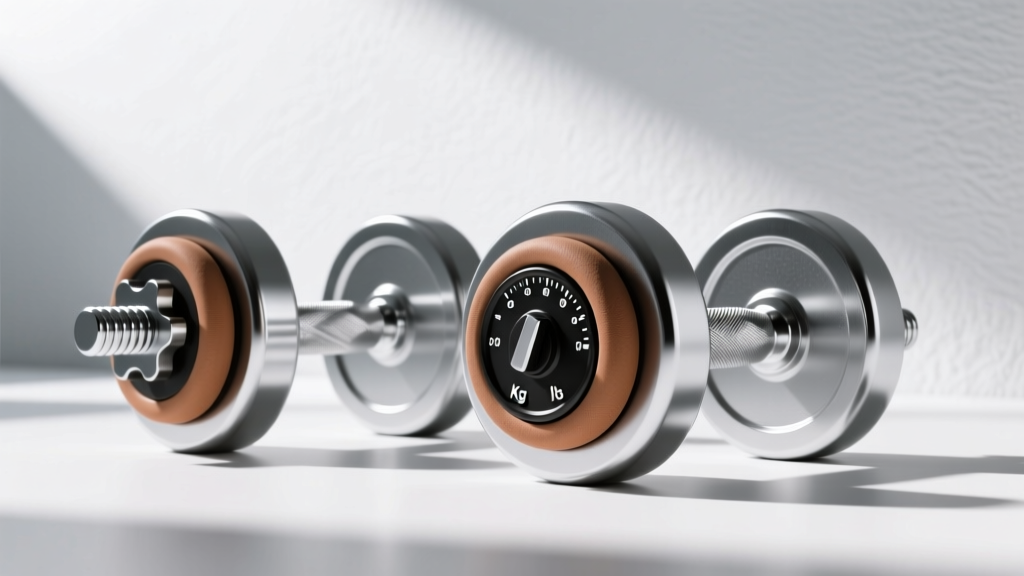
In 2026, high-quality adjustable dumbbells are a premium investment. A set of Nuobell 80s will set you back approximately $449, while the PowerBlock Elite USA series hovers around $349 per pair. This translates to a cost-per-pound of roughly $4.36 to $5.61. Because pectoral dumbbell workouts demand this significant upfront capital, your remaining budget for functional conditioning tools like kettlebells is often constrained. This makes the cast iron vs. competition kettlebell debate not just a matter of preference, but a critical financial decision.
Cast Iron Kettlebells: The High-Yield Budget Option
Cast iron kettlebells are the traditional, single-piece molded bells that have populated gyms for decades. They are typically finished with a powder coat or e-coating to prevent rust.
Pricing and Value Metrics
- Average Cost per Pound: $1.20 to $1.85 (e.g., Titan Fitness or Rogue Fitness cast iron models).
- Depreciation: Near zero. A well-maintained cast iron bell will outlive the user.
- Resale Value: High. Used cast iron bells routinely sell for 70-80% of their retail price on secondary markets.
The Ergonomic Trade-Off
The primary drawback of cast iron is the lack of standardization. A 16kg (35lb) cast iron bell will have a completely different physical footprint, handle diameter, and horn width than a 24kg (53lb) bell from the same manufacturer. Handle diameters typically range from 30mm on lighter bells to 35mm+ on heavier ones. While this is irrelevant for basic swings, it becomes a significant variable if you are practicing double kettlebell front squats or cleans, where inconsistent horn widths can cause wrist bruising and erratic racking positions.
Competition Kettlebells: The Premium Ergonomic Asset
Competition kettlebells are engineered to exact international standards (often governed by organizations like the IUKF or WKSF). Regardless of whether the bell weighs 8kg or 48kg, the physical dimensions remain identical.
Pricing and Value Metrics
- Average Cost per Pound: $3.50 to $5.50 (e.g., Kettlebells USA, Onnit, or Dragon Door).
- Construction: Hollow steel core, often with a welded handle and a flat, machined base.
- Color Coding: Universal color-coding system (e.g., Yellow for 16kg, Green for 24kg) for instant weight identification.
The Standardization Advantage
Every competition bell features a strict 35mm handle diameter and a uniform window size. As highlighted by the coaching standards at StrongFirst, this consistency is paramount for high-repetition ballistic training and Girevoy sport. Your muscle memory for the clean, snatch, and jerk remains uninterrupted because the bell's geometry never changes. Furthermore, the uniform bell size means that when performing double kettlebell work, the bells sit symmetrically on your forearms, drastically reducing the risk of impact injuries.
Head-to-Head Value Matrix: Cast Iron vs. Competition
| Feature | Cast Iron Kettlebell | Competition Kettlebell |
|---|---|---|
| Cost per Pound (2026) | $1.20 - $1.85 | $3.50 - $5.50 |
| Handle Diameter | Variable (30mm - 38mm) | Strict 35mm |
| Bell Dimensions | Scales with weight | Uniform across all weights |
| Base Design | Rounded or slightly flat | Completely flat, machined |
| Best Use Case | Grinds, heavy swings, general fitness | Snatches, jerks, high-rep ballistics |
| Durability / Failure Mode | Powder coat chipping, rust if neglected | Welded handle snapping (rare, extreme abuse) |
Strategic Budget Allocation: The $1,500 Hybrid Setup
Let us apply this data to a real-world scenario. You have a $1,500 budget to build a hybrid gym that supports both targeted hypertrophy and functional conditioning. Here is the optimal financial breakdown to maximize your ROI:
The Optimized $1,500 Gym Blueprint
1. Pectoral Dumbbell Workouts (Hypertrophy): $450
Purchase: Nuobell 80lb Adjustable Dumbbell Set. This covers all your incline presses, flyes, and isolation work without eating up floor space.
2. Primary Ballistic Kettlebell (Conditioning): $110
Purchase: 24kg (53lb) Competition Kettlebell (~$4.10/lb). This is your workhorse for heavy swings, goblet squats, and Turkish get-ups.
3. Secondary Technical Kettlebell (Skill/Volume): $75
Purchase: 16kg (35lb) Competition Kettlebell (~$4.70/lb). Essential for learning snatches, high-rep cleans, and overhead stability work.
4. Heavy Cast Iron Anchor (Strength): $85
Purchase: 48kg (106lb) Cast Iron Kettlebell (~$1.70/lb). Used strictly for heavy, low-rep grinds like single-arm rows and heavy swings where handle geometry matters less than raw load.
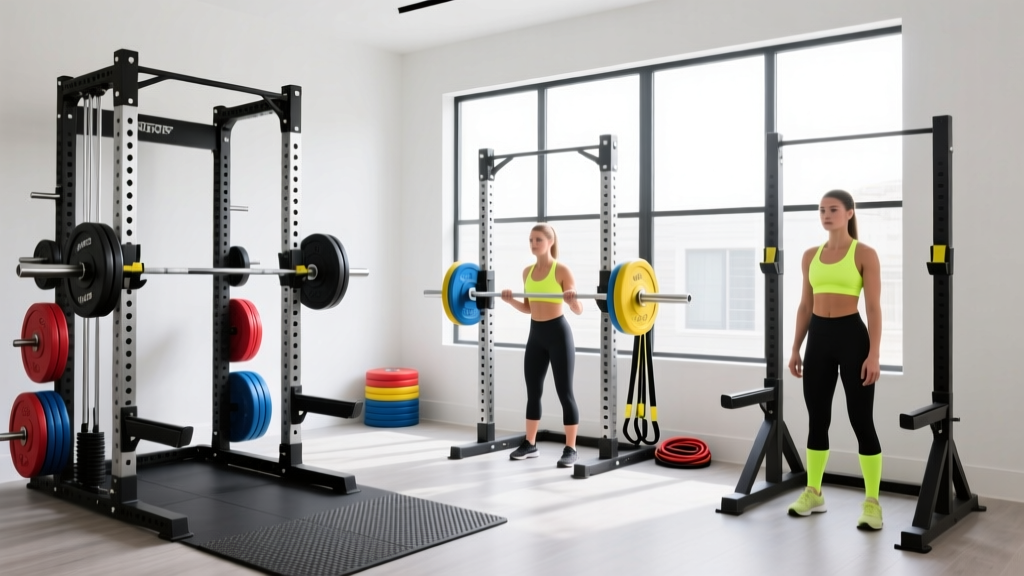
5. Remaining Budget ($780): Allocated to a power rack, barbell, and bumper plates.
By mixing one heavy cast iron bell for raw strength and two competition bells for technical skill, you save approximately $180 compared to buying a full competition set, without sacrificing the ergonomic benefits where they matter most.
Real-World Failure Modes and Edge Cases
When evaluating long-term value, you must consider how equipment fails. The American Council on Exercise (ACE) frequently emphasizes that equipment ergonomics directly influence joint health and training longevity.
Cast Iron Edge Cases
- The Powder Coat Trap: Cheap, imported cast iron bells often use thick, glossy paint instead of proper powder coating. This paint chips easily during drops and creates a slick, dangerous surface when chalk and sweat accumulate.
- The Wide Horn Problem: Many budget cast iron bells have excessively wide horns. When racking the bell for front squats or presses, the wide horns force the wrists into severe ulnar deviation, leading to tendonitis over time.
Competition Bell Edge Cases
- The Window Squeeze: Because competition bells maintain a uniform size, the 'window' (the space between the handle and the bell body) on lighter weights (8kg-12kg) can feel cramped for users with large hands, making two-handed swings awkward.
- Handle Smoothness: High-end competition bells feature bare steel handles. While excellent for grip feedback, they require regular maintenance (light oiling and sanding) to prevent oxidation, unlike the low-maintenance powder coat of a cast iron bell.
Expert Verdict: Maximizing Your Fitness ROI
The decision between cast iron and competition kettlebells ultimately hinges on your training methodology and how much capital you have left after funding your pectoral dumbbell workouts and primary lifting gear.
If your training revolves around Girevoy sport, high-repetition snatches, and double kettlebell complexes, the premium price of competition kettlebells is entirely justified. The standardized 35mm handle and uniform dimensions act as an insurance policy for your wrists and forearms, yielding a high return on investment through injury prevention and technical consistency.
Conversely, if your kettlebell usage is limited to heavy swings, goblet squats, and farmer carries, cast iron kettlebells offer superior financial value. The cost-per-pound savings can be aggressively redirected toward higher-quality adjustable dumbbells or a premium Olympic barbell, ensuring your foundational strength and hypertrophy programs—like your pectoral dumbbell workouts—remain fully funded and highly effective.
More gear to consider
All reviews
Optimizing Your Chest Supported Dumbbell Row Angle: Loadable Dumbbell Care
Fixing Dumbbell Nan Kilo Errors: Adjustable Weight Troubleshooting
Beyond Dumbbell Squats: Power Rack vs Squat Rack vs Squat Stand

Space-Saving Loadable Dumbbells for One Arm Dumbbell Chest Press

Beyond the 10 Pound Dumbbell Workout: 2026 Kettlebell Market Trends
