
Overhead Press Bar vs Dumbbell: Olympic Knurling Guide
Compare the overhead press bar vs dumbbell. Our 2026 Olympic barbell buying guide covers weight profiles, knurling types, and exact pricing.

The Great Debate: Overhead Press Bar vs Dumbbell
When building a complete free-weight arsenal in 2026, lifters frequently hit a crossroads regarding shoulder development: should you prioritize a dedicated overhead press bar vs dumbbell sets? While both implements are foundational to upper-body strength, the nuances of Olympic barbell design—specifically weight profiles, shaft diameter, and knurling patterns—drastically alter the biomechanics of the strict press. According to ExRx biomechanics data on the barbell overhead press, the fixed path of a barbell demands high thoracic mobility and precise wrist stacking, whereas dumbbells allow for a more forgiving, natural scapular plane. However, dumbbells lack the micro-loading capabilities required for long-term progressive overload. This in-depth buying guide dissects the exact specifications you need to look for when purchasing an Olympic barbell for pressing, ensuring you make an informed, data-backed investment.
💡 The Golden Rule of Pressing Equipment
Never buy a barbell with needle bearings for strict overhead pressing. Bearings are designed for the rapid sleeve rotation of Olympic weightlifting (snatches and cleans). For the slow, controlled grind of an overhead press, bronze or composite bushings are superior because they reduce rotational torque at lockout, keeping the bar stable over your base of support.
Decoding Olympic Barbell Weight Profiles & Shaft Dynamics
The standard 20kg (44lb) men’s Olympic barbell is the default for most home and commercial gyms. However, when analyzing the strict overhead press, the 15kg (33lb) women’s Olympic barbell often emerges as a superior tool for many lifters, regardless of gender. The difference lies in the shaft diameter and tensile strength.
20kg vs. 15kg vs. Specialty Press Bars
- Standard 20kg Olympic Bar (28mm - 29mm shaft): Bars like the Rogue Ohio Bar (28.5mm shaft, 190k PSI) offer a robust grip. However, the thicker shaft forces the wrist into slight extension during the rack position, which can cause valgus stress on the elbow during heavy lockouts.
- 15kg Women’s Olympic Bar (25mm shaft): The narrower 25mm shaft allows lifters with smaller-to-medium hands to wrap their fingers completely around the bar. This facilitates a neutral wrist stack directly over the ulna, maximizing force transfer and reducing joint pain. Priced around $250 to $350, these are exceptional dedicated press bars.
- 35lb Specialty Curl/Press Bars: Shorter, 35lb Olympic bars with angled grips (like the CAP Barbell 35lb Curl Bar, ~$140) reduce wrist strain but limit total load capacity and alter the natural bar path of a strict military press.
| Barbell Type | Total Weight | Shaft Diameter | Sleeve Type | Avg. 2026 Price |
|---|---|---|---|---|
| Standard Power Bar | 20kg (44 lbs) | 29mm | Bushing | $295 - $350 |
| Olympic Weightlifting Bar | 20kg (44 lbs) | 28mm | Bearing | $300 - $800+ |
| Women’s / Technique Bar | 15kg (33 lbs) | 25mm | Bushing | $240 - $320 |
| Specialty Curl/Press Bar | 15.8kg (35 lbs) | Varies | Bushing | $120 - $180 |
The Knurling Matrix: Grip Security vs. Hand Tear
Knurling is the cross-hatched pattern machined into the steel shaft. For the overhead press, where chalk usage is high and grip fatigue is a primary failure point, knurling depth and geometry are paramount. As detailed in BarBend’s comprehensive guide to barbell knurling, the manufacturing process (machine-cut vs. rolled) dictates the longevity and feel of the grip.
The Three Primary Knurl Profiles
- Volcano Knurling (The Gold Standard for Pressing): Created by machining peaks and then slightly flattening the tips, leaving a crater-like texture. This provides maximum surface area contact without sharp edges that tear calluses. Best for: High-volume hypertrophy and heavy OHP.
- Mountain Knurling (Aggressive): Sharp, un-flattened peaks that dig deeply into the skin. While excellent for heavy deadlifts, mountain knurling can shred the palms during high-rep overhead pressing or when re-racking the bar. Best for: Powerlifting deadlifts, not ideal for dedicated pressing.
- Hill Knurling (Passive/Commercial): Rounded, shallow grooves that feel smooth. Often found on sub-$150 commercial gym bars. When chalk is applied, hill knurling becomes slick, leading to dangerous bar slips at the forehead during the eccentric phase of the press. Best for: Beginners and light rehabilitation work.
“A barbell’s knurl should bite just enough to remind you it’s there, but not so hard that it dictates your recovery. For overhead pressing, volcano knurling paired with a high-quality magnesium carbonate chalk is the undisputed champion of grip security.”
Overhead Press Bar vs Dumbbell: Feature Comparison Matrix
To definitively answer the overhead press bar vs dumbbell debate for your specific training goals, we must look at the biomechanical and logistical trade-offs. Below is a structured comparison matrix to guide your equipment allocation.
| Feature | Olympic Barbell (15kg/20kg) | Adjustable / Fixed Dumbbells |
|---|---|---|
| Range of Motion (ROM) | Limited by bar contacting the upper chest/clavicle. | Superior; allows deep stretch and scapular plane movement. |
| Micro-Loading Capability | Excellent. Can use 0.5lb fractional plates ($25/pair). | Poor. Usually restricted to 5lb jumps (e.g., 50lb to 55lb). |
| Stabilization Demand | Bilateral stability; highly dependent on core and triceps. | Unilateral stability; heavily taxes the rotator cuff and serratus. |
| Joint Stress (Shoulder) | Higher risk of impingement if thoracic mobility is poor. | Lower risk; wrists can rotate freely to accommodate joint anatomy. |
| Equipment Cost (2026) | $250 (Bar) + $150 (Plates) = ~$400 entry. | $450 (Nuobell 80lb Set) or $3.50/lb for Urethane Hex sets. |
Real-World Buying Scenarios & 2026 Pricing
Your purchasing decision should be dictated by your primary training modality. Here is how to allocate your budget based on specific lifting profiles.
Scenario A: The Strength Athlete & Powerlifter
If your goal is to increase your 1-rep max strict press or compete in strength sports, the barbell is non-negotiable. Recommendation: Purchase a 15kg Olympic bar with a 25mm shaft and volcano knurling (e.g., Rogue Bella or similar specialty 15kg bars, ~$295). Pair this with a set of fractional change plates (0.5lb and 1lb pairs). The overhead press is a highly unforgiving lift; a 5lb jump on a 100lb press is a 5% increase, which will quickly cause a training stall. Fractional plates ($25 to $40) allow for 1lb micro-progressions, ensuring continuous adaptation.
Scenario B: The Hypertrophy & Joint-Longevity Lifter
If you are training for muscle growth, bodybuilding, or managing shoulder impingement, dumbbells should take priority. Recommendation: Invest in a premium adjustable dumbbell set like the Nuobell 80lb system ($449) or a rack of urethane hex dumbbells ranging from 25lbs to 60lbs. Urethane hex dumbbells cost approximately $3.00 to $4.00 per pound in 2026 and offer the durability needed for heavy drop sets and unilateral incline pressing, which spares the AC joint from the fixed internal rotation demands of a barbell.
⚠ Warning: Center Knurl Considerations
When buying a dedicated barbell for pressing, pay attention to the center knurl. While a sharp center knurl is vital for keeping a barbell pinned to your back during heavy low-bar squats, it will severely abrade your neck and upper chest during the rack position of a front squat or the bottom of a strict overhead press. Opt for a bar with a smooth center ring or a very passive center knurl if the bar will be used for multiple pressing variations.
Final Verdict: Building Your Free Weight Arsenal
The choice between an overhead press bar vs dumbbell is not mutually exclusive; rather, it is a matter of prioritization based on your biomechanical needs and budget. For pure strength and neurological adaptation, a 15kg or 20kg Olympic barbell with volcano knurling and bronze bushings is the ultimate tool, provided you invest in fractional plates to manage the steep strength curve of the deltoids. Conversely, for hypertrophy, joint preservation, and unilateral correction, a high-quality set of urethane or adjustable dumbbells offers an unmatched range of motion. By understanding the intricate details of shaft diameter, knurl geometry, and sleeve rotation, you can curate a 2026 home gym setup that maximizes shoulder health and shatters your pressing plateaus.
More gear to consider
All reviews
Low Angle Dumbbell Incline: Troubleshooting Neoprene Weight Slips
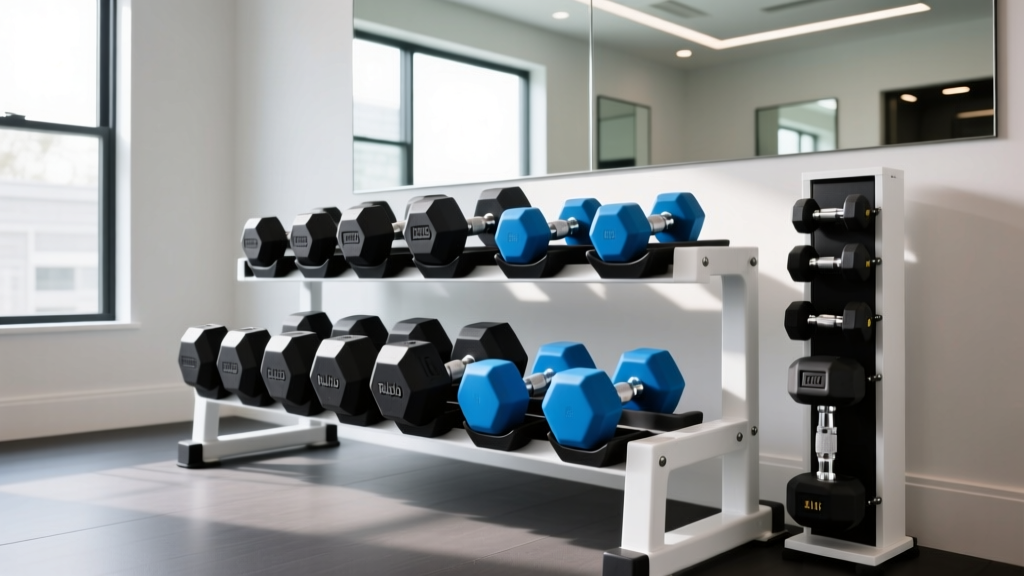
Optimizing Gym Space: Rubber Hex vs Urethane & 1lb Dumbbell Storage

Olympic vs Standard Weight Plates and Dumbbell Sizes
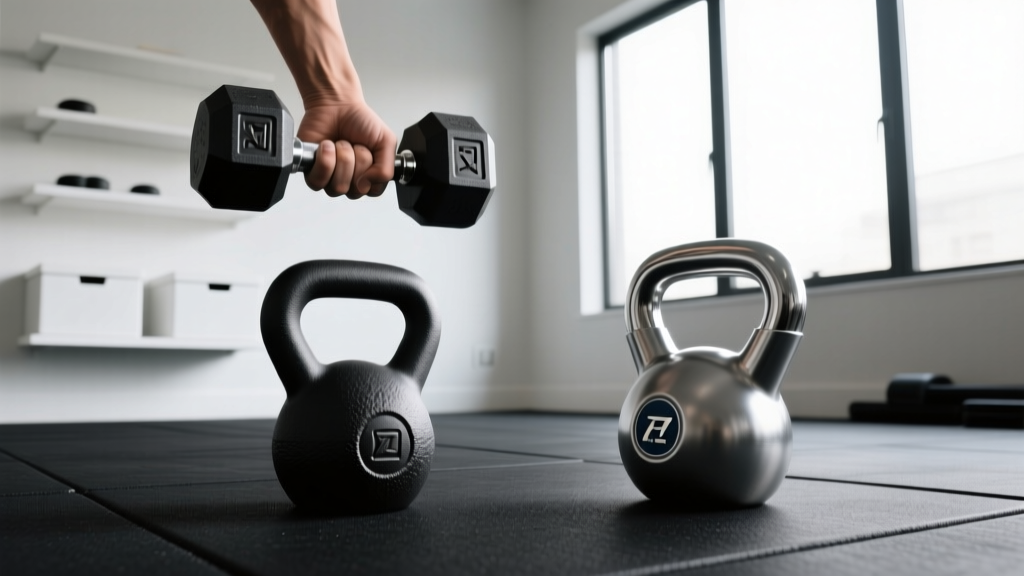
Neutral Grip Dumbbell Overhead Press vs Kettlebells: 2026 Market Data

Barbell Collar Types & Dumbbell Bench Rack Troubleshooting
