Olympic vs Standard Plates: Upgrading Your LS Dumbbell
Compare Olympic vs standard weight plates for your home gym. We break down 1-inch vs 2-inch specs, 2026 pricing, and compatibility with standard handles.

The Core Debate: 1-Inch Standard vs 2-Inch Olympic
When outfitting a home gym or upgrading a commercial facility, the choice between standard (1-inch) and Olympic (2-inch) weight plates dictates the entire trajectory of your equipment ecosystem. This decision goes far beyond the diameter of the center hole; it influences barbell whip, dumbbell rotational torque, weight capacity, and long-term durability. In online fitness communities, you will often see beginners searching for an ls dumbbell setup—a colloquial forum shorthand for standard 1-inch plate-loaded handles. While these standard setups offer an accessible entry point, understanding the metallurgical and geometric differences between standard and Olympic plates is critical for lifters planning to progress past intermediate strength milestones.
2026 Market Snapshot: Price & Availability
Standard Cast Iron (1-inch): $1.20 – $1.50 per pound.
Olympic Cast Iron (2-inch): $1.80 – $2.40 per pound.
Olympic Urethane/Bumper: $3.50 – $5.50 per pound.
Note: Prices reflect early 2026 averages for new, retail-direct equipment. Secondary market rates for used cast iron typically run 20-30% lower.
Standard Weight Plates: The 1-Inch Ecosystem
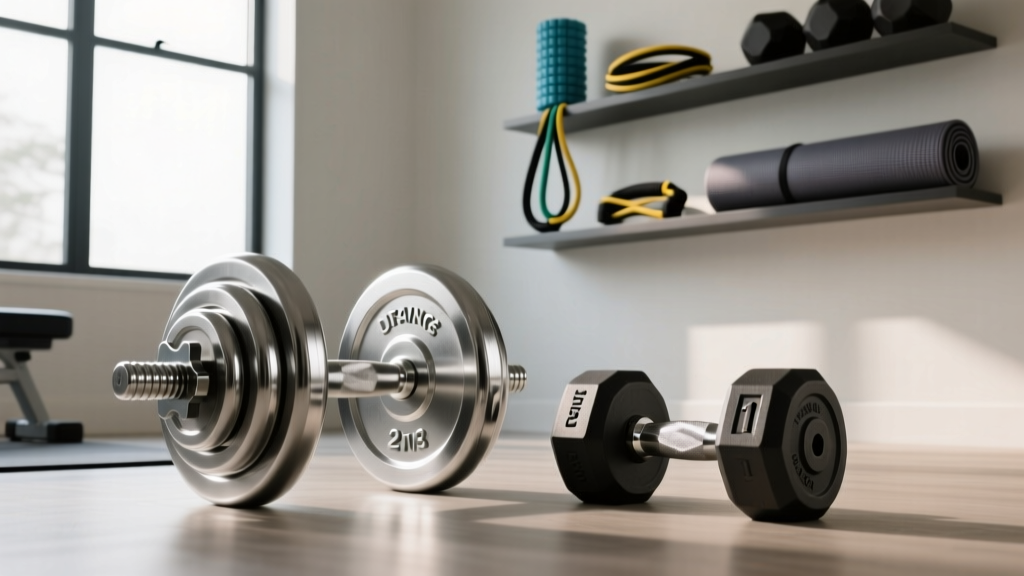
Standard weight plates feature a center hole nominally sized at 1 inch. However, due to the realities of sand-casting and subsequent powder-coating or enamel painting, the actual inner diameter of a standard plate typically measures between 1.02 and 1.04 inches. This intentional over-sizing ensures the plates can slide smoothly onto 1-inch solid steel dumbbell handles and barbells without jamming.
The primary advantage of the standard ecosystem is cost and spatial efficiency. Standard plates are generally thinner and cheaper to manufacture because they do not require the machined steel inner rings found on high-end Olympic plates. For lifters utilizing a classic 14-inch plate-loaded dumbbell handle, standard 10-pound cast iron plates allow for relatively compact loading. However, the 1-inch ecosystem hits a hard physical ceiling regarding sleeve space and structural integrity. A standard 14-inch dumbbell handle typically features a 5.5-inch grip and two 4.25-inch sleeves. Using standard 1-inch plates, you will max out the physical sleeve space at approximately 110 to 120 pounds per hand before you run out of room to secure the collar.
Olympic Weight Plates: The 50mm Heavyweight Standard
Olympic plates are governed by the strict tolerances of the International Weightlifting Federation (IWF). The center hole is exactly 50mm (1.968 inches), designed to fit over the rotating, bushing-equipped sleeves of Olympic barbells and heavy-duty dumbbell handles. Unlike standard plates, quality Olympic plates feature a machined steel inner ring that protects the casting from deforming and ensures a precise, scratch-free fit on the barbell sleeve.
The Olympic ecosystem offers vastly superior weight distribution and durability. Olympic dumbbell handles are typically 20 inches in length, featuring 6.5-inch sleeves that can accommodate upwards of 200 pounds per hand using thin, calibrated steel plates. Furthermore, Olympic handles utilize rotating sleeves. When performing dynamic movements like dumbbell cleans or heavy neutral-grip presses, the rotational torque generated by the weight plates is absorbed by the bronze bushings or needle bearings in the Olympic handle, rather than being transferred directly into the lifter's wrists and elbows. Standard 1-inch handles lack this rotation, forcing the lifter's joints to absorb the kinetic twist of the iron.
Head-to-Head Specification Matrix
| Feature | Standard (1-Inch) | Olympic (2-Inch / 50mm) |
|---|---|---|
| Center Hole Diameter | 1.02' - 1.04' (Cast) | 50mm (Machined Steel Ring) |
| Handle Compatibility | Solid cold-rolled steel, fixed sleeves | Rotating sleeves with bushings/bearings |
| Max Dumbbell Load (Typical) | ~120 lbs (Sleeve space limited) | 200+ lbs (Extended sleeves) |
| Drop Durability | Low (Prone to chipping/cracking) | High (Especially rubber/urethane variants) |
| Calibration Accuracy | +/- 5% to 10% variance | +/- 1% to 2% (Calibrated models) |
Real-World Failure Modes: Where Cheap Setups Break
To truly understand the difference between these two plate types, we must examine how they fail under heavy, real-world use. The limitations of standard gear are rarely apparent until a lifter crosses the intermediate threshold.
The Yield Strength and Bar Bending Problem
The most catastrophic failure mode in the 1-inch ecosystem is bar bending. A standard 1-inch solid steel dumbbell handle has a significantly lower cross-sectional area and moment of inertia compared to a 2-inch Olympic handle. When loaded to 100+ pounds, the eccentric force of a heavy dumbbell bench press or Bulgarian split squat creates immense sheer stress at the junction where the sleeve meets the grip. Over time, 1-inch handles experience plastic deformation—meaning they permanently bend downward. Once a standard handle bends, the plates will slide toward the center grip during use, altering the center of gravity and creating a severe safety hazard. Olympic handles, with their 2-inch diameter and reinforced steel construction, routinely withstand loads exceeding 300 pounds without yielding.
The Collar Slippage Hazard
Standard dumbbell setups rely on spring collars or basic spin-lock nuts to secure the plates. Because standard plates have wide casting tolerances, the faces of the plates rarely sit perfectly flush against one another. This micro-movements during reps causes standard spring collars to gradually walk outward. By the third set of heavy dumbbell rows, the collar may slip entirely off the 1-inch sleeve, dropping raw iron onto the lifter's foot. Olympic setups utilize heavy-duty clamp collars (like the widely adopted Rogue Fitness locking mechanisms or standard OSO clamps) that grip the 2-inch sleeve with thousands of pounds of clamping force, completely eliminating slippage.
Decision Framework: Which Should You Buy?
Choosing between standard and Olympic plates requires an honest assessment of your current strength, budget, and long-term goals. Use the following framework to make your purchasing decision in 2026:
- Buy Standard (1-Inch) If: You are strictly limited by budget, space, or are outfitting a low-impact rehabilitation facility. Standard plates are perfectly adequate for light isolation work, physical therapy, and beginners who will not exceed 50-pound dumbbells in the near future. They are also ideal if you already own a legacy collection of 1-inch barbells and racks.
- Buy Olympic (2-Inch) If: You are an intermediate to advanced lifter, plan to perform dynamic movements (cleans, snatches), or regularly press dumbbells heavier than 60 pounds per hand. The investment in Olympic plates and rotating handles protects your wrist joints, ensures accurate weight tracking, and provides a lifetime of structural durability. As noted by equipment manufacturers like Cap Barbell, the transition to 50mm gear is the single most common upgrade path for serious home gym owners.
Ultimately, while the standard 1-inch setup serves a purpose for entry-level fitness, the Olympic 2-inch standard remains the undisputed king of free weight durability, safety, and biomechanical efficiency. Investing in the Olympic ecosystem from day one will save you from the inevitable cost of replacing bent handles and chipped iron down the road.
More gear to consider
All reviews
Power Rack vs Squat Rack Setup & Reverse Grip Dumbbell Row
Rogue vs Rep Barbell Knurling & Incline Dumbbell Press Guide

EZ Curl Bar vs Straight Bar: Maintenance & Seated Dumbbell Press Care

Best Neoprene Dumbbells for Stomach Exercises: 2026 Matchup

Best Adjustable Dumbbells for the Jump Squat With Dumbbells