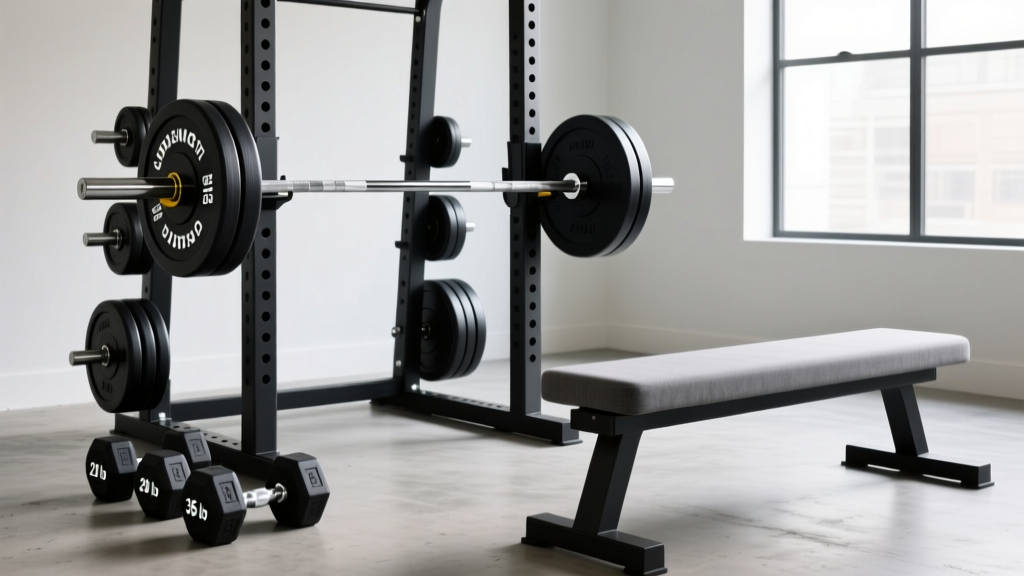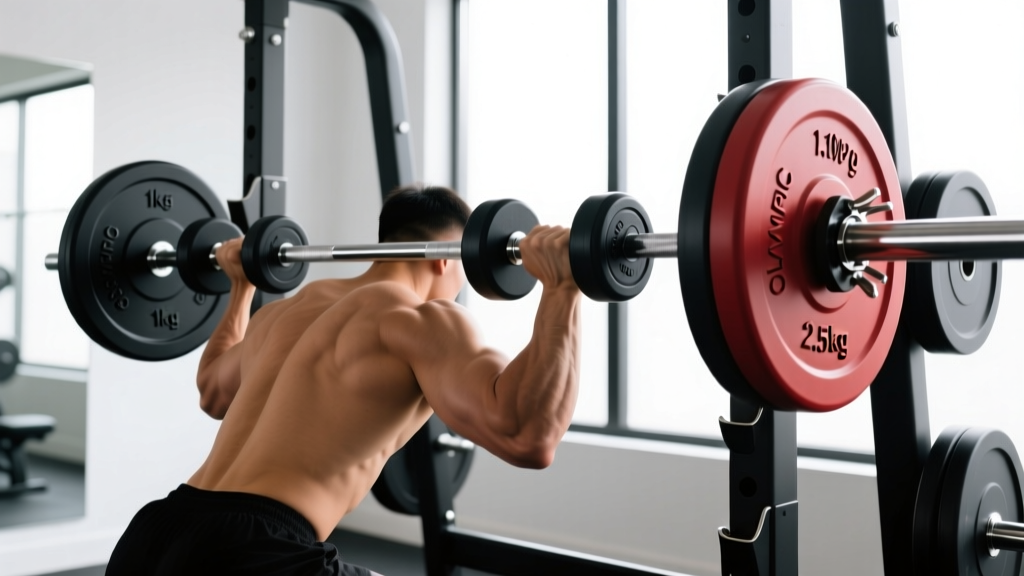
Olympic vs Standard Plates: Best Setup for Single Arm Dumbbell Rows
Compare Olympic vs standard weight plates and loadable dumbbell handles to optimize your grip, balance, and ROM for heavy single arm dumbbell rows.

The single arm dumbbell row is a foundational back-building exercise, heavily targeting the latissimus dorsi, rhomboids, and rear deltoids. While most lifters obsess over their form, torso angle, or elbow path, a critical variable is often ignored: the physical geometry of the equipment itself. If you are building a home gym or upgrading your commercial facility in 2026, the debate between Olympic (2-inch) and Standard (1-inch) weight plates goes far beyond barbell compatibility. When paired with loadable dumbbell handles, the choice of plate ecosystem drastically alters the biomechanics, range of motion (ROM), and grip demands of the single arm dumbbell row.
This in-depth buying guide and comparison analysis will break down exactly how Olympic and standard plates affect your rowing mechanics, helping you choose the optimal setup for your specific hypertrophy and strength goals.
Expert Insight: The diameter of your weight plates dictates your bottom-stretch ROM on bench-supported rows. This is a non-obvious factor that completely changes lat activation.The Hidden Variable: Plate Diameter and Range of Motion
When performing a chest-supported or bench-supported single arm dumbbell row, the downward eccentric phase is physically limited by the plates striking the bench or the floor. This is where the Olympic vs. Standard debate becomes highly relevant to your muscle growth.
The Standard Plate Advantage for Deep Stretches
Standard 1-inch cast iron plates have a significantly smaller diameter than their Olympic counterparts. A standard 10-pound plate is typically around 6 inches in diameter. When you row a 25-pound load (two 10s and a 5) using a standard loadable handle, the small plate profile allows the dumbbell to travel much closer to the bench before making contact. This facilitates a deeper, unobstructed stretch at the bottom of the movement, which current hypertrophy research indicates is crucial for muscle growth.
The Olympic Bumper Plate Dilemma
Conversely, Olympic bumper plates maintain a uniform 17.5-inch diameter regardless of weight (from 10 lbs to 45 lbs) to allow for safe barbell drops. If you use an Olympic loadable dumbbell handle loaded with 10-pound Olympic bumpers for high-rep single arm rows, the massive 17.5-inch diameter will strike the bench or floor prematurely, cutting your range of motion short by up to 5 inches. To counter this, lifters using Olympic plates for rows must either use smaller-diameter cast-iron Olympic fractional plates or elevate their bench and feet to create clearance.
Olympic vs Standard Weight Plates: Spec Comparison
Before selecting your loadable dumbbell handles, you must commit to a plate ecosystem. Below is a 2026 market comparison of the two primary weight plate types.
| Feature | Standard Plates (1-Inch) | Olympic Plates (2-Inch) |
|---|---|---|
| Hole Diameter | 1 inch (25.4 mm) | 2 inches (50.4 mm) |
| 10lb Plate Diameter | ~6.0 inches | 17.5 inches (Bumper) / ~9 inches (Iron) |
| Material Options | Cast Iron, Cement/Vinyl | Cast Iron, Urethane, Rubber Bumper |
| Average Cost (2026) | $1.00 - $1.50 per lb | $1.75 - $4.50 per lb |
| Resale Value | Low | High (Holds ~70% value) |
For a comprehensive breakdown of how these plates are manufactured and tested for durability, the Garage Gym Reviews Olympic vs Standard guide provides excellent stress-test data on drop tolerances and coating longevity.
Loadable Dumbbell Handles: Grip and Sleeve Mechanics
The handle you choose bridges the gap between the plate and your hand. The sleeve thickness directly impacts your wrist alignment during the pulling phase of the single arm dumbbell row.
1-Inch Standard Handles (e.g., CAP Barbell Solid Iron Hex Handle)
- Price: ~$24.99 per handle
- Grip Diameter: Usually 1 inch to 1.25 inches
- Biomechanical Impact: The thinner grip requires less forearm flexor activation to maintain hold. During a heavy single arm row, this allows you to focus purely on the mind-muscle connection with the latissimus dorsi rather than fighting grip fatigue. The narrower sleeves also keep the center of mass closer to your hand, reducing wrist torque.
2-Inch Olympic Handles (e.g., Rogue Loadable Dumbbell Handle)
- Price: $95.00 per handle
- Grip Diameter: 1.5 inches to 2 inches (depending on the model)
- Biomechanical Impact: According to the Rogue Fitness equipment specifications, these handles feature heavy-duty 2-inch sleeves and deep knurling. The thicker grip forces a wider hand position, which slightly increases the moment arm at the wrist. This demands intense grip strength and forearm stabilization. For heavy, low-rep strength rows (5-8 rep range), Olympic handles build phenomenal crushing grip strength concurrently with back thickness.
Biomechanical Breakdown of the Rowing Motion
Proper execution of the single arm dumbbell row requires a neutral spine, a slight torso rotation at the bottom, and driving the elbow toward the hip. As noted by the ExRx biomechanics database, the exercise acts as a third-class lever where the elbow is the fulcrum and the dumbbell is the resistance.
Warning: Momentum and Collar SlippageWhen using loadable dumbbell handles for explosive, momentum-assisted rows (often called 'Kroc Rows'), the lateral force can cause cheap spring collars to slide. If a standard 1-inch collar slips, the plates will shift off the sleeve mid-row, risking severe wrist injury. Always use Lock-Jaw locking collars or heavy-duty screw clamps when performing heavy single arm rows with loadable handles.
Wrist Pronation vs. Neutral Grip
Because Olympic handles are bulkier, lifters naturally adopt a slightly more pronated (inward turned) grip to clear the massive plates from their torso during the upward pull. Standard handles, being sleeker, allow for a perfectly neutral grip (palm facing the bench) throughout the entire concentric and eccentric phases, which is generally preferred for isolating the lats without impinging the shoulder joint.
2026 Home Gym Buying Framework
Which ecosystem should you invest in? Use this decision matrix to finalize your purchase based on your training style and budget.
Choose Standard (1-Inch) If:
- Your primary goal is bodybuilding/hypertrophy: The smaller plate diameters allow for maximum stretch on bench-supported single arm rows.
- You have a strict budget: Outfitting 100 lbs of standard cast iron plates and two handles will cost roughly $130 in 2026.
- Space is limited: Standard plates and handles are lighter and easier to store in small apartment gyms.
Choose Olympic (2-Inch) If:
- You are a hybrid strength athlete: You need the plates for heavy barbell deadlifts and squats, and want to double-dip by using them on loadable Olympic dumbbell handles for heavy, power-building rows.
- You prioritize grip strength: The thick sleeves of Olympic handles turn every single arm row into a grip-training exercise.
- You want long-term resale value: Olympic urethane and cast-iron plates hold their value exceptionally well on the secondary market.
Frequently Asked Questions
Can I use Olympic bumper plates for single arm dumbbell rows?
Yes, but you must account for the 17.5-inch diameter. If you are doing chest-supported rows on a flat bench, the bumper will hit the floor or bench before your lat achieves a full stretch. Elevate your bench on aerobic steps or plyo boxes to regain your full range of motion.
Are loadable dumbbell handles better than fixed hex dumbbells for rows?
Fixed hex dumbbells (like rubber-coated urethane sets) offer a more compact center of mass and are generally more comfortable for high-rep sets. However, loadable handles are vastly more cost-effective for home gyms and allow for micro-loading (adding 1.25 lb fractional plates), which is excellent for progressive overload on isolation movements like rows.
What is the best collar for single arm rows with loadable handles?
For standard 1-inch handles, use metal screw-down clamps. For 2-inch Olympic handles, use aluminum Lock-Jaw collars. Avoid cheap wire spring collars, as the rotational torque of a heavy, off-balance single arm row can easily compromise them.
More gear to consider
All reviews
Cast vs Comp Kettlebells: Budget & Rolling Dumbbell Tricep Extension

Thomas Inch Dumbbell Challenge: Top Loadable Dumbbells for Grip

EZ vs Straight Bar: 2026 Trends for Dumbbell Row Weight Plateaus

Power Rack vs Squat Rack vs Stand for SA Dumbbell Rows
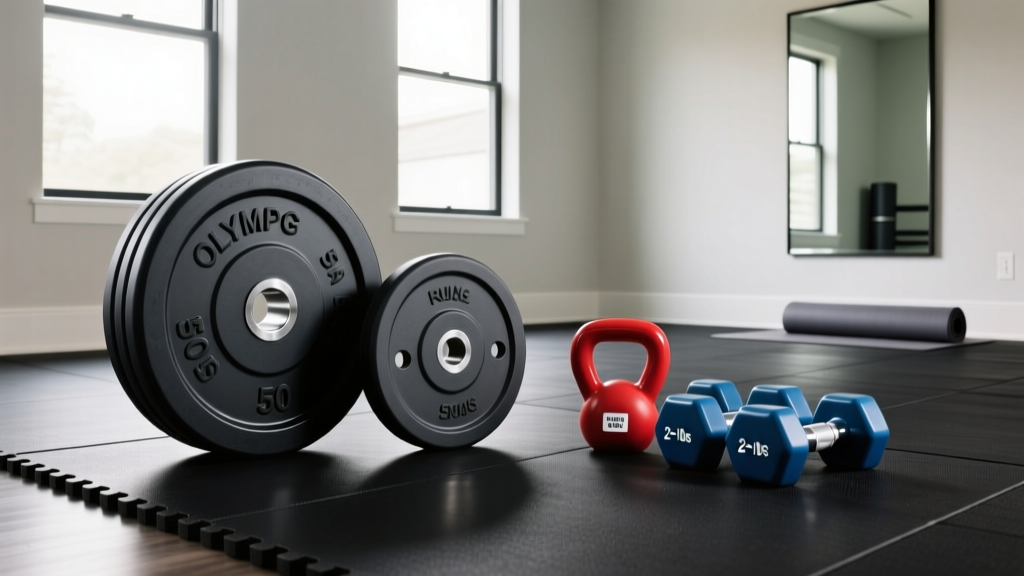
Olympic vs Standard Plates Setup and Light Dumbbell Training Guide