
Olympic Barbell Weight & Knurling Guide: Integrating WeGym Dumbbells
Master your home gym setup. This walkthrough covers Olympic barbell weight tolerances, knurling profiles, and integrating WeGym dumbbells.

The 2026 Free-Weight Station: Barbell and Dumbbell Synergy
Building a commercial-grade free-weight station in your home gym requires more than just dropping equipment onto a rubber mat. As we navigate the 2026 home fitness landscape, the integration of heavy compound barbell work with targeted isolation movements has become the gold standard for hypertrophy and strength programming. This complete setup and installation walkthrough will guide you through unboxing, inspecting, and installing your core lifting implements. We will focus heavily on the nuances of Olympic barbell weight tolerances and knurling geometry, while seamlessly integrating a set of WeGym dumbbells into your rack ecosystem to create a fully functional, space-optimized lifting environment.
Phase 1: Unboxing and Inspecting Your Olympic Barbell
Before you even think about loading plates, the initial unboxing and inspection of your Olympic barbell is critical. Shipping impacts can bend shafts, and manufacturing defects in the knurling can ruin your grip on heavy pulls.
Weight Calibration and Tolerance Checks
Not all 20kg (44lb) barbells are created equal. When inspecting your new barbell, you must understand the difference between International Weightlifting Federation (IWF) standards and standard commercial manufacturing tolerances. According to Garage Gym Reviews' Olympic barbell testing methodology, high-end competition bars must adhere to a strict +/- 10-gram tolerance. However, many mid-tier bars ($200-$250 range) operate on a +/- 1% tolerance, meaning a 20kg bar could legally weigh anywhere from 19.8kg to 20.2kg right out of the box.
Inspection Step: Place a calibrated digital floor scale on a flat surface, zero it out, and weigh the bare shaft. If your bar is marketed as a precision powerlifting bar (like the $325 Rogue Ohio Power Bar) and it deviates by more than 15 grams, contact the manufacturer for a warranty replacement. Furthermore, use a digital caliper to measure the shaft diameter. A standard men's Olympic bar should measure exactly 28mm or 29mm. Any variance here will affect your grip mechanics and the fitment of your barbell clamps.
The Knurling Microscope: Volcano vs. Mountain vs. Hill
The knurling—the diamond-patterned machining on the shaft—is the most vital interface between your body and the load. As detailed in BarBend's comprehensive guide to barbell knurling, the geometry of these diamonds dictates how aggressive the bar feels.
- Volcano Knurling: Found on premium power bars (e.g., Rogue, Rep Fitness). The machining creates peaks that are then slightly flattened or 'cratered' at the top. This provides maximum surface area for grip without tearing calluses. Ideal for heavy deadlifts and low-rep squats.
- Mountain Knurling: Features sharp, unflattened peaks. It feels incredibly aggressive and 'pokey.' While it offers a secure grip, it can shred your hands during high-volume dumbbell or barbell complexes.
- Hill Knurling: Common on Olympic weightlifting bars (e.g., Eleiko). The peaks are heavily rounded off. It feels smooth and is designed for the rapid grip transitions required in the snatch and clean & jerk.
Most barbells ship coated in a thin layer of machine oil to prevent oxidation during transit. Do not use harsh chemical degreasers, which can strip zinc or cerakote finishes. Instead, use a microfiber cloth dampened with 3-in-One oil or a specialized barbell cleaner to wipe down the shaft and sleeves before your first lift.
Phase 2: WeGym Dumbbells Unboxing and Grip Comparison
With the barbell inspected, it is time to unbox the complementary free-weight component: the WeGym adjustable dumbbells. For this 2026 setup, we are utilizing the WeGym 10-55lb adjustable dial set (retailing around $399). Integrating adjustable dumbbells is crucial for unilateral work, accessory hypertrophy, and addressing muscle imbalances that a barbell cannot fix.
Handle Geometry and Knurling Synergy
When transitioning from a 29mm Olympic barbell to a dumbbell, grip fatigue is a primary failure point. The WeGym dumbbells feature a 34mm handle diameter with a moderate, hill-style knurling. This is an intentional design choice. Because dumbbells require independent stabilization, an overly aggressive 'mountain' knurling would cause severe micro-tears in the palms during high-rep lateral raises or Romanian deadlifts.
| Equipment | Handle Diameter | Knurl Profile | Best Use Case |
|---|---|---|---|
| Olympic Power Bar | 29mm | Volcano (Aggressive) | Heavy Squats, Deadlifts, Bench |
| Olympic Weightlifting Bar | 28mm | Hill (Smooth) | Snatch, Clean & Jerk |
| WeGym Dumbbells (10-55lb) | 34mm | Moderate Hill | Unilateral Presses, Rows, Isolation |
Phase 3: Rack Assembly and Equipment Installation
Now that your implements are inspected, we move to the physical installation of the power rack or squat stand that will house both your barbell and WeGym dumbbells.
- Base Framing and Leveling: Assemble the uprights and crossmembers on a flat surface. Before fully tightening the hardware, place a 48-inch spirit level across the front and side crossmembers. Shim the base feet using high-density rubber pads until the rack is perfectly plumb. An unlevel rack will cause uneven barbell loading and premature wear on the linear bearings in your rack's pull-up attachments.
- Hardware Torquing: Using a calibrated torque wrench, tighten all 5/8-inch Grade 8 bolts to the manufacturer's specification (typically 90 Nm or 66 ft-lbs). Use a cross-tightening pattern to ensure even tension distribution across the uprights.
- J-Cup and Spotter Arm Placement: Install the J-cups at a height where the barbell rests just below your anterior deltoid when standing tall. Critical Check: Ensure the UHMW (Ultra-High-Molecular-Weight) plastic liners on the J-cups are intact. Bare metal J-cups will instantly destroy the zinc finish and volcano knurling on your Olympic barbell.
- WeGym Dumbbell Storage Integration: If your rack features a dumbbell tray attachment, mount it at waist height (approx. 36 inches from the floor). This minimizes lumbar shear force when picking up the 55lb WeGym dumbbells. Ensure the tray's retaining lips are facing outward to prevent the dumbbells from rolling off during heavy rack vibrations.
Maintenance and Final Calibration
With the equipment physically installed, perform a final calibration test. Load the barbell with 45lb bumper plates on each side. Perform a few rack pulls, listening to the sleeve rotation. A high-quality barbell utilizing bronze bushings should spin smoothly with a low hum, while needle bearings will spin silently and freely. Next, dial the WeGym dumbbells to 50lbs, ensuring the selector pins engage with a definitive 'click' and that no internal weight plates rattle during a controlled dumbbell row.
"The longevity of your free-weight station is dictated by the first 30 days of use. Inspecting knurling for metal burrs, verifying weight tolerances, and ensuring UHMW plastics are protecting your barbell's finish will save you hundreds of dollars in premature equipment replacement."
— 2026 Commercial Gym Equipment Maintenance Standard
By meticulously inspecting the weight and knurling of your Olympic barbell and thoughtfully integrating the ergonomic handles of your WeGym dumbbells, you have engineered a lifting environment that rivals any commercial facility. Your setup is now calibrated, secure, and ready for progressive overload.
More gear to consider
All reviews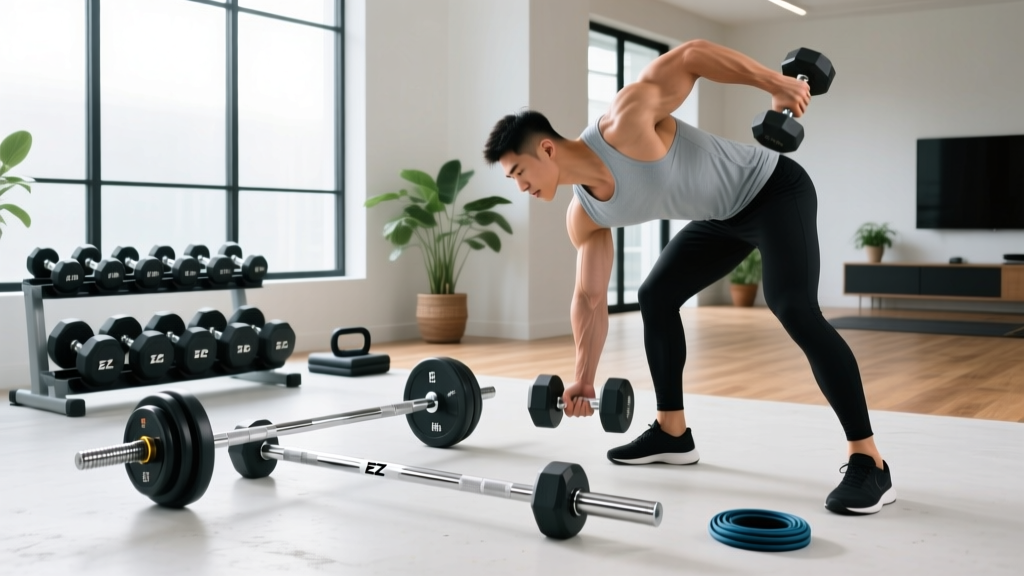
EZ vs Straight Bar Maintenance & How to Work Out Lats With Dumbbells

Bumper vs Iron Plates & Best Glute Exercise with Dumbbells

Barbell Collar Types Compared: Secure Your Lifts & Master Floor Dumbbell Flys
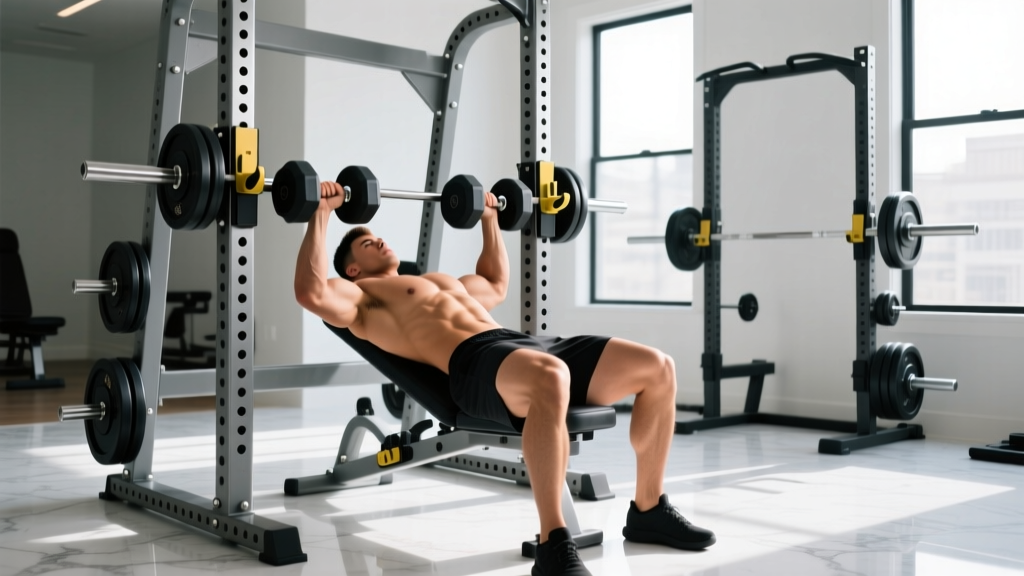
Decline Press With Dumbbells: Power Rack vs Squat Rack Guide

Troubleshoot Your Dumbbell Exercises Weekly Routine: Adjustable Guide
