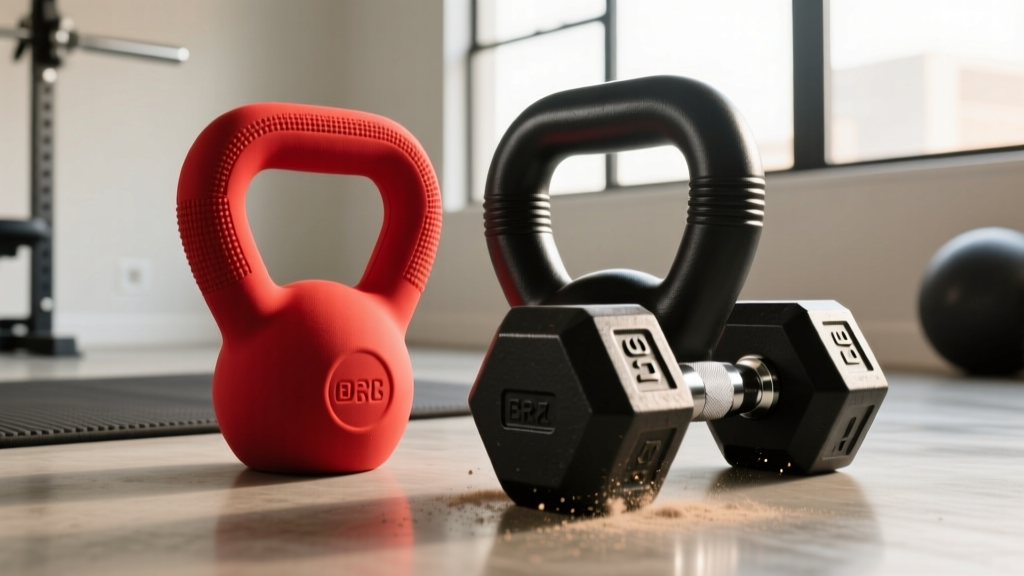
Neoprene vs Hex Iron: Chasing the 100 Pound Dumbbell Curl at Home
We compare neoprene coated dumbbells for home use against heavy hex iron, debunking the 100 pound dumbbell curl myth for optimal bicep hypertrophy.

The Biomechanical Reality of the 100 Pound Dumbbell Curl
Scroll through any fitness forum or social media feed, and you will inevitably encounter the ego-driven spectacle of the 100 pound dumbbell curl. It is portrayed as the ultimate testament to bicep strength. However, as a domain expert reviewing free weights and biomechanics, I must separate internet mythology from physiological reality. The biceps brachii is a relatively small, two-headed muscle group. Curling 100 pounds strictly requires not just immense muscular cross-sectional area, but connective tissue resilience that 99% of the lifting population simply does not possess.
When an average lifter attempts a 100 pound dumbbell curl, the movement devolves into a full-body heave. The anterior deltoids, hip flexors, and spinal erectors take over the load, reducing the actual mechanical tension placed on the biceps to a fraction of the dumbbell's weight. Worse, the sheer torque placed on the distal biceps tendon at 90 degrees of elbow flexion with a 100-pound load is a primary catalyst for distal biceps tendon ruptures, a severe injury requiring surgical reattachment and months of rehabilitation.
Expert Warning: Tendon tensile strength has a hard biological ceiling. Ego-lifting heavy cast-iron hex dumbbells for single-joint isolation movements is a statistical gamble with your connective tissue.The Case for the Neoprene Coated Dumbbell for Home Use
If the 100-pound curl is a biomechanical trap, what is the optimal tool for home bicep hypertrophy? Enter the neoprene coated dumbbell for home use. Often dismissed by hardcore powerlifters as 'aerobic toys,' high-quality neoprene dumbbells (typically ranging from 5 to 20 pounds) are actually masterclasses in grip ergonomics and high-rep metabolic conditioning when used correctly.
Material Science: Why Polychloroprene Wins the Grip War
Neoprene (polychloroprene) is a synthetic rubber that exhibits unique tactile properties. Unlike bare knurled steel or smooth urethane, neoprene has a naturally high coefficient of friction. When your hands begin to sweat during a high-rep set of 20-30 repetitions, bare metal becomes slippery, forcing your forearm flexors to overwork just to maintain a grip. This grip fatigue often causes a set to fail before the biceps reach true mechanical failure.
The slight 'tackiness' of a neoprene coating allows the lifter to maintain a secure hold with less crushing grip force. This neurological freedom allows you to direct maximum motor unit recruitment directly to the biceps brachii and brachialis. Furthermore, for home gym owners, the neoprene coating is exceptionally quiet and floor-friendly, eliminating the heavy thud and floor-damage associated with dropped heavy hex iron.
Head-to-Head Matrix: Neoprene vs. Heavy Hex Iron
To understand why a lighter, coated dumbbell often outperforms heavy iron for isolation work, we must compare the physical specifications of standard market offerings in 2026.
| Feature | Neoprene Coated (e.g., Yes4All / Tone Fitness) | Heavy Rubber Hex (e.g., Rogue / Rep Fitness) |
|---|---|---|
| Primary Use Case | High-rep hypertrophy, metabolic stress, rehab | Heavy compound lifts, low-rep strength |
| Handle Diameter | 28mm - 30mm (Optimal for curling) | 34mm - 35mm (Thick, causes grip fatigue) |
| Grip Friction | High (Tacky, sweat-resistant) | Medium (Smooth rubber can slip when wet) |
| Floor Impact | Low (Quiet, safe for hardwood/tile) | High (Requires specialized rubber matting) |
| Average Cost per Pound | $1.50 - $1.80 | $2.50 - $3.50 |
Notice the handle diameter discrepancy. Heavy hex dumbbells, like the Rogue Fitness Rubber Hex Dumbbells, feature thicker handles designed to withstand 150+ pound loads and accommodate large hands during heavy pressing. However, a 35mm handle severely limits wrist supination and flexion during a curl, altering the biomechanical groove and placing undue stress on the medial epicondyle (golfer's elbow). The slimmer 28mm handle found on most neoprene models allows for a natural, pain-free supinated curl path.
Hypertrophy Mechanics: Tension Over Absolute Load
The fitness industry has long perpetuated the myth that heavy loads are strictly required for muscle growth. However, modern sports science has thoroughly debunked this. According to extensive data compiled in Examine.com's hypertrophy research archives, muscle growth is virtually identical across a wide spectrum of rep ranges (from 5 reps up to 30 reps), provided the set is taken close to mechanical failure.
'The stimulus for hypertrophy is mechanical tension detected by the muscle fibers. Whether that tension is generated by lifting 80 pounds for 8 reps, or 15-pound neoprene dumbbells for 25 reps to absolute failure, the cellular signaling pathways (mTOR activation) respond similarly.'
By utilizing a 15-pound neoprene coated dumbbell for home use and pushing the set to 25-30 repetitions until the bicep physically cannot complete another concentric contraction, you trigger the exact same hypertrophic response as a heavy set, but with a fraction of the joint shear and tendon strain.
3 High-Tension Protocols for Light Neoprene Dumbbells
If you are limited to lighter neoprene dumbbells at home, you must manipulate tempo and range of motion to increase the difficulty. Here are three expert-approved protocols:
- 1.5 Repetition Curls: Curl the weight all the way up, lower it only halfway down, curl it back up, and then lower it completely to the bottom. This counts as one rep. This doubles the time spent in the mid-range 'sticking point' where mechanical tension is highest.
- Supinated Iso-Holds: At the end of a set to failure, hold the dumbbells at the 90-degree angle (forearms parallel to the floor) for as long as possible. The tacky neoprene grip will allow you to maintain this agonizing isometric hold long after your grip would have failed on smooth iron.
- 4-Second Eccentrics: Curl the weight up in 1 second, and fight gravity on the way down for a strict 4-second count. Eccentric overload causes significant micro-trauma to the muscle fibers, stimulating robust repair and growth even with light loads.
2026 Market Pricing & Final Verdict
Building a home gym in 2026 requires smart capital allocation. Heavy adjustable dumbbells or full sets of cast-iron hex weights can easily consume $1,000 to $2,500 of your budget. In contrast, a comprehensive set of neoprene coated dumbbells for home use (ranging from 5 lbs to 20 lbs in 2.5 lb increments) will typically cost between $150 and $250.
The Verdict: Stop chasing the viral 100 pound dumbbell curl. It is a biomechanical mismatch for isolation work and a fast track to orthopedic surgery. For home lifters focused on aesthetic bicep development, joint longevity, and floor preservation, the neoprene coated dumbbell is an elite, highly underrated tool. By leveraging high-rep metabolic stress, slow eccentrics, and the superior grip friction of polychloroprene, you can build elite arms without ever touching a 100-pound piece of iron.
More gear to consider
All reviews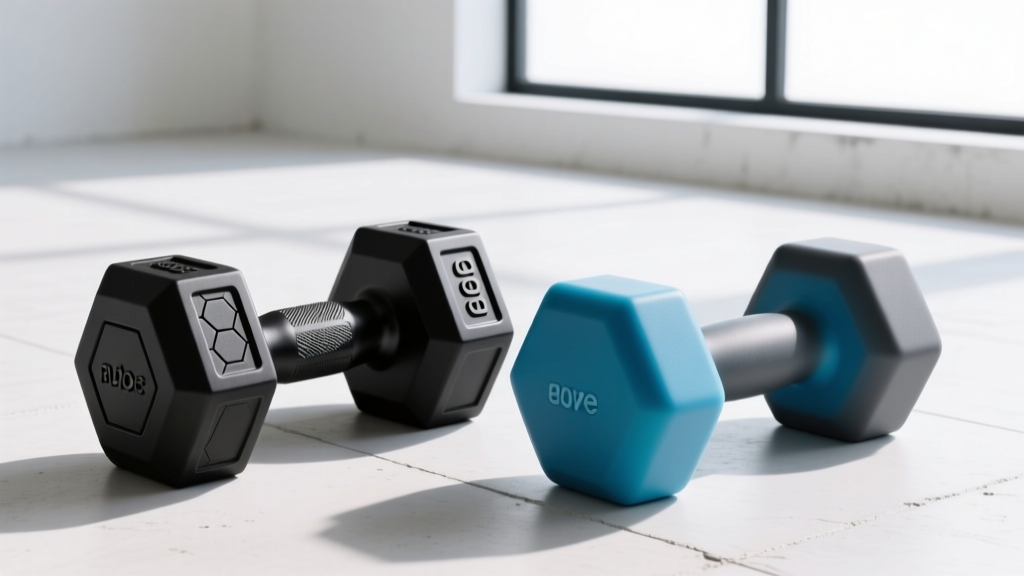
Rubber Hex vs Urethane: Training Triceps with Dumbbells (2026)
Compact Gym Layouts: Loadable Dumbbells for Arnold Dumbbell Curls

Space-Saving Racks for an Upper Back Workout With Dumbbells (2026)
Wrist Exercises With Dumbbells: Neoprene Grip Mistakes & Fixes
Best Adjustable Dumbbells for the Dumbbell Romanian Deadlift (2026)
