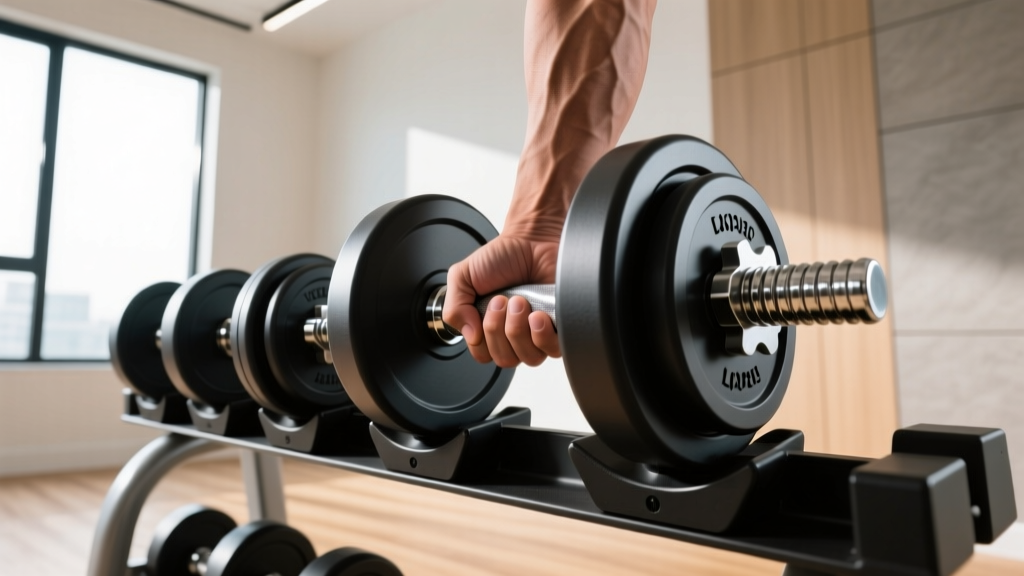
Home Gym Mistakes: Neoprene Coated Dumbbells vs. Bowflex 552 Dumbbells
Avoid costly home gym mistakes. We troubleshoot the material flaws of neoprene coated dumbbells and mechanical failures of Bowflex 552 dumbbells.

Building a home gym in 2026 requires balancing spatial constraints, budget, and equipment longevity. When outfitting a garage or spare room for light-to-medium resistance training, most lifters narrow their choices down to two distinct categories: fixed neoprene coated dumbbells and adjustable systems, most notably the Bowflex 552 dumbbells. While both serve the fundamental purpose of progressive overload, consumers frequently make critical purchasing and maintenance mistakes that lead to degraded materials, broken mechanisms, and wasted money.
This troubleshooting guide dissects the most common errors home gym owners make when selecting, using, and maintaining neoprene fixed dumbbells versus the Bowflex SelectTech 552. By understanding the material science of synthetic rubber coatings and the mechanical fragility of adjustable dial systems, you can optimize your equipment lifespan and training safety.
The Neoprene Coated Dumbbell Trap: Material Mistakes
Neoprene (polychloroprene) is a synthetic rubber prized for its tactile grip, sweat resistance, and ability to protect hardwood floors from scuffs. However, the market is flooded with mislabeled products, leading to the first major home gym mistake: assuming all soft-coated dumbbells are genuine neoprene.
The TPR vs. Polychloroprene Bait-and-Switch
Many budget-friendly dumbbell sets sold on major e-commerce platforms are not coated in neoprene at all. Instead, they use Thermoplastic Rubber (TPR) or PVC blends. While genuine neoprene hex dumbbells (like those from CAP Barbell or REP Fitness) typically cost between $1.80 and $2.50 per pound, TPR-coated alternatives often sell for under $1.20 per pound.
⚠️ Troubleshooting Warning: The 'Sticky' Dumbbell SyndromeIf your soft-coated dumbbells become sticky, emit a strong chemical odor, or leave residue on your hands during summer months, you likely purchased TPR, not neoprene. TPR degrades and melts when exposed to ambient temperatures above 85°F (29°C) or direct UV light. Genuine polychloroprene remains stable up to much higher thresholds.
Miscalculating Space and Long-Term Cost
Another frequent mistake is buying a full rack of neoprene dumbbells (e.g., 5 lbs to 50 lbs in 5-lb increments) without calculating the spatial footprint. A standard 10-pair set requires a 3-tier rack spanning roughly 4.5 feet in width and weighs over 550 pounds collectively. For a home gym under 200 square feet, this is a massive misallocation of space compared to adjustable alternatives.
Troubleshooting Neoprene Wear and Tear
If you have invested in genuine neoprene coated dumbbells for home use, improper maintenance will still ruin them. Follow these troubleshooting steps to restore and preserve your fixed weights.
- Fixing Surface Grime and Chalk Buildup: Never use bleach, alcohol, or harsh degreasers on neoprene. These chemicals strip the synthetic oils, causing the rubber to dry out, crack, and flake. Instead, use a microfiber cloth dampened with warm water and a few drops of mild dish soap (like Dawn).
- Addressing Mildew in Humid Garages: If your dumbbells develop a musty smell or white mildew spots, wipe them down with a 50/50 mixture of distilled white vinegar and water. Allow them to air dry in a shaded, well-ventilated area. Never leave them in direct sunlight to dry, as UV radiation accelerates polychloroprene oxidation.
- Preventing Flat-Spot Deformation: Storing lighter neoprene dumbbells (under 15 lbs) stacked on top of one another in a bin can cause the bottom layer's coating to permanently compress and warp over time. Always store them horizontally on a dedicated rack or shelf.
Bowflex 552 Dumbbells: Mechanical Mistakes & Fixes
The Bowflex 552 dumbbells (SelectTech 552) revolutionized the home gym by replacing 15 sets of weights with a single adjustable pair, ranging from 5 to 52.5 lbs. Priced at an MSRP of $399 (though frequently discounted to $299–$349), they are a staple in millions of homes. However, as highlighted by fitness equipment analysts at Garage Gym Reviews, the internal mechanism is highly susceptible to user error.
Mistake #1: Dropping the Dumbbells
The most catastrophic mistake users make is treating the Bowflex 552 like a traditional cast-iron dumbbell. The outer housing is made of ABS plastic, and the internal weight-selection mechanism relies on small plastic retaining clips and steel locking tabs.
'Dropping the Bowflex 552 from even a height of 12 inches can shatter the internal ABS housing or bend the selector rods. Once the internal alignment is compromised, the dial will jam, or worse, a weight plate will disengage mid-lift, posing a severe crush hazard.' — Equipment Testing Standards, Wirecutter Adjustable Dumbbell Review
Mistake #2: Forcing a Jammed Dial
If the Bowflex dial refuses to turn, users often apply brute force, snapping the internal gears. Troubleshooting a stuck dial requires a systematic approach:
- Step 1: Ensure the dumbbell is fully and evenly seated in its cradle. The cradle contains alignment grooves; if the dumbbell is tilted, the internal plates won't align, and the dial will lock as a safety feature.
- Step 2: Turn both dials to the lowest setting (5 lbs). This retracts all locking tabs and releases tension on the selector rod.
- Step 3: Lift the dumbbell straight up. Inspect the weight plates for debris, rust flakes, or misplaced rubber O-rings that might be wedged between the steel plates.
- Step 4: Gently tap the base of the dumbbell on a rubber mat to settle the plates into their stack, then return it to the cradle and attempt to turn the dial again.
Head-to-Head Comparison Matrix
To help you troubleshoot your current setup or decide on your next purchase, here is a direct comparison of the physical and operational realities of both options.
| Feature | Premium Neoprene Hex Dumbbells | Bowflex SelectTech 552 |
|---|---|---|
| Cost per Pound | $1.80 - $2.50 / lb | ~$3.80 / lb (based on $399 / 105 lbs total) |
| Durability to Drops | High (Cast iron core, rubber shell) | Extremely Low (ABS plastic housing) |
| Space Footprint | Large (Requires 3-tier rack) | Compact (15.75" x 8" x 9" per pair) |
| Weight Increments | Fixed (Usually 5 lb jumps) | 2.5 lb jumps (up to 25 lbs), then 5 lb jumps |
| Primary Failure Mode | Coating degradation / UV damage | Dial jamming / Plastic housing fracture |
The 2026 Home Gym Decision Framework
Troubleshooting your home gym equipment ultimately comes down to matching the tool to your training style.
Choose Neoprene Coated Dumbbells if: You perform high-intensity interval training (HIIT), drop-set complexes, or workouts where you frequently drop the weights to the floor. The solid cast-iron core encased in polychloroprene will survive years of abuse, provided you buy genuine neoprene and store it away from extreme heat and UV exposure.
Choose the Bowflex 552 Dumbbells if: You are focused on strict hypertrophy, physical therapy, or progressive overload in a very tight space (like an apartment or small bedroom). The 2.5-pound micro-increments available on the lower weight settings are unparalleled for isolation movements like lateral raises. However, you must commit to a strict 'no-drop' policy and perform monthly inspections of the selector dials to ensure the internal tabs are free of dust and debris.
By recognizing the material limitations of cheap rubber coatings and the mechanical fragility of adjustable dial systems, you can avoid the most common home gym mistakes and build a resilient, efficient training space.
More gear to consider
All reviews
Squat Stand vs Power Rack: Leg Exercises with Dumbbells for Beginners
Power Rack vs Squat Rack: Proper Way to Do Dumbbell Curls Safely

EZ Bar vs Straight Bar: 2026 Trends & Dumbbell Thrust Data

EZ vs Straight Bar: Space Layouts & Side Raises with Dumbbells

Curl Bar vs Dumbbells: Bicep Gains & Olympic Knurling Guide