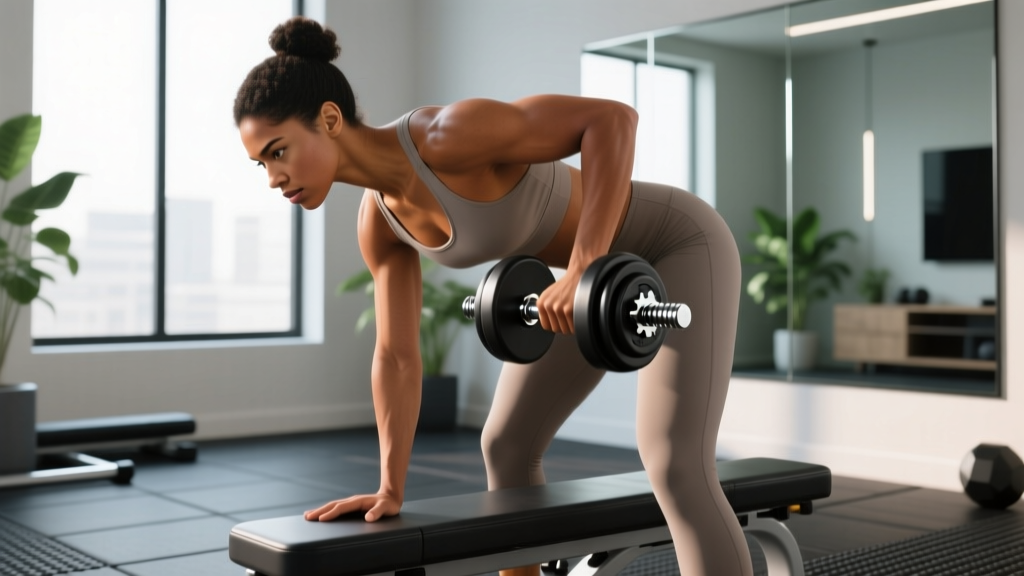
Best Neoprene Dumbbells for Home Use: Single RDLs with Dumbbells
Discover the best neoprene dumbbells for home use in 2026. Our buying guide compares top picks perfect for mastering single RDLs with dumbbells.

The Hidden Demands of Unilateral Training at Home
When outfitting a home gym in 2026, most lifters default to standard cast iron or rubber-coated hex dumbbells. However, for specific unilateral movements—most notably single RDLs with dumbbells (Romanian Deadlifts)—the material coating of your equipment plays a critical, often overlooked role in performance and injury prevention. Neoprene-coated dumbbells offer a unique combination of tactile feedback, sweat resistance, and ergonomic grip that makes them exceptionally well-suited for balance-intensive, hinge-based exercises.
This in-depth buying guide breaks down the material science of neoprene, analyzes how handle geometry affects your single-leg deadlift, and compares the top neoprene dumbbells on the market to help you make an informed purchase.
Material Science: Why Neoprene Excels for Grip-Intensive Lifts
Neoprene, scientifically known as polychloroprene, is a synthetic rubber produced by the polymerization of chloroprene. Unlike the hard, porous surface of cast iron or the sometimes-slick finish of cheap vinyl, high-quality neoprene dumbbells feature a vulcanized coating with a Shore A hardness rating typically between 70 and 80.
This specific durometer creates a 'tacky' surface texture. According to equipment analysts at Garage Gym Reviews, this high coefficient of friction is vital when your hands begin to sweat during high-volume hypertrophy blocks. When you are performing single RDLs with dumbbells, your grip is the only point of contact with the load. A micro-slip in your grip forces the flexor carpi ulnaris and forearm stabilizers to overcompensate, leading to premature grip failure before your hamstrings and glutes reach true muscular exhaustion.
Expert Insight: The Anti-Rotation Factor
During a contralateral single RDL (e.g., holding a dumbbell in your right hand while balancing on your left leg), the offset load creates significant rotational torque. The dumbbell naturally wants to twist in your palm. Neoprene's tacky surface acts as a mechanical brake, reducing the anti-rotational grip demand and allowing you to focus entirely on the hip hinge and pelvic stability.
Biomechanics of Single RDLs with Dumbbells
Mastering single RDLs with dumbbells requires precise proprioception and a flawless hip hinge. The exercise is a staple in both rehabilitation settings and elite athletic performance programs for targeting the posterior chain unilaterally. As noted in the exercise biomechanics database ExRx.net, the single-leg Romanian deadlift heavily recruits the biceps femoris, semitendinosus, and the gluteus medius for pelvic stabilization.
How Dumbbell Handle Diameter Alters the Movement
When selecting neoprene dumbbells for this specific exercise, handle diameter is just as crucial as the coating.
- 32mm - 35mm Handles: Ideal for single RDLs. A thinner handle allows for a full crush grip, maximizing forearm engagement without causing early fatigue. This is especially important for lifters with smaller hands.
- 38mm - 40mm+ Handles: Often found on heavier, premium dumbbells. While great for pressing movements, a thicker handle forces the fingers open, reducing the surface area of the grip. During a single-leg hinge, this can lead to the dumbbell sliding toward the fingertips, compromising the lift.
2026 Neoprene Dumbbell Comparison Matrix
Below is a structured comparison of the top neoprene-coated dumbbells available for home gyms, specifically evaluated on their suitability for unilateral hinge movements.
| Brand & Model | Handle Diameter | Max Weight | Price per lb (Avg) | Best For |
|---|---|---|---|---|
| Yes4All Neoprene Hex | 35mm (Contoured) | 50 lbs | $1.85 | Overall Unilateral Work |
| CAP Barbell Neoprene | 38mm (Straight) | 50 lbs | $1.55 | Budget Home Gyms |
| J/Fit Neoprene Dumbbells | 34mm (Ergonomic) | 40 lbs | $2.20 | Smaller Hands / Rehab |
| Tone Fitness Neoprene | 36mm (Straight) | 30 lbs | $2.05 | High-Rep Metcon |
Deep Dive: Top Neoprene Picks for Home Gyms
1. Yes4All Neoprene Hex Dumbbells (Best Overall)
Yes4All has dominated the budget-to-mid-tier home gym market for years, and their 2026 neoprene hex lineup remains a top contender. The hexagonal head prevents rolling—a crucial safety feature when you are setting up for single RDLs with dumbbells and need the weight to stay perfectly stationary on the floor before you pick it up. The 35mm contoured handle features a slight bulge in the center, which naturally seats the dumbbell in the callus line of the palm, reducing shear force on the skin during heavy eccentrics.
- Pros: Excellent anti-roll geometry; highly durable color-coded coating; aggressive pricing for pairs.
- Cons: The neoprene coating can develop a slight chemical odor out of the box that requires 48 hours of off-gassing in a well-ventilated area.
2. CAP Barbell Neoprene Dumbbells (Best Budget Option)
If you are building a full rack of light-to-medium weights for circuit training and unilateral accessory work, CAP Barbell offers the lowest cost-per-pound in the neoprene category. The cast-iron core is solid, and the neoprene shell is slightly thicker than competitors, offering excellent floor and equipment protection. However, the 38mm straight handle means lifters with smaller hands may need to use chalk or lifting straps when pushing past 35 lbs per hand during single-leg hinges.
3. J/Fit Neoprene Coated Dumbbells (Best Ergonomic Grip)
J/Fit designs their neoprene dumbbells with a distinctly ergonomic, curved handle that tapers at the ends. This design naturally locks the dumbbell into the grip, making it arguably the best choice on the market for high-rep single RDLs with dumbbells where grip endurance is the limiting factor. The trade-off is a lower maximum weight ceiling (topping out at 40 lbs) and a premium price point.
Maintenance and Edge Cases: Protecting Your Investment
While neoprene is highly resistant to moisture and impact, it is not invincible. To ensure your dumbbells maintain their tacky grip and structural integrity, you must manage two primary environmental threats:
- UV Degradation: Polychloroprene breaks down when exposed to prolonged ultraviolet light. Never store your neoprene dumbbells in direct sunlight or in a glass-walled sunroom. UV exposure will cause the coating to become brittle, chalky, and prone to flaking.
- Sebum and Oil Breakdown: The natural oils from your skin, combined with certain pre-workout lotions or sunscreens, can slowly degrade the neoprene surface, turning it slick. Wipe your dumbbells down weekly with a mild dish soap and water solution. Avoid harsh chemical degreasers or bleach, which will strip the vulcanized outer layer.
"The lifespan of a neoprene dumbbell is directly correlated to how it is cleaned. Lifters who use alcohol-based sanitizers on their equipment will find the neoprene drying out and cracking within 12 to 18 months. Stick to pH-neutral cleaners." — Home Gym Equipment Maintenance Guidelines
Frequently Asked Questions
Can I use neoprene dumbbells for heavy, low-rep strength work?
Neoprene dumbbells generally max out at 50 lbs, making them less ideal for heavy, low-rep strength blocks (e.g., sets of 3-5 reps) for advanced lifters. They are best utilized for hypertrophy, muscular endurance, and rehabilitation. For heavy unilateral work, you should transition to adjustable steel dumbbells or urethane-coated options that scale up to 100+ lbs.
Why do my forearms cramp during single RDLs with dumbbells?
Forearm cramping during single RDLs is usually a symptom of rotational torque. If your dumbbell handle is too thick, or if the surface is slick (like polished chrome), your forearm flexors must work overtime to prevent the dumbbell from twisting. Switching to a 35mm neoprene-coated dumbbell provides the friction needed to alleviate this specific grip bottleneck.
Is neoprene safe for indoor air quality?
High-quality, modern neoprene dumbbells manufactured to current 2026 safety standards are non-toxic and safe for indoor use. However, cheaper, uncertified imports may use inferior plasticizers that off-gas volatile organic compounds (VOCs). Always purchase from reputable brands that comply with Prop 65 and REACH regulations, and allow new equipment to air out in a garage or open window for a few days before bringing it into your primary living space.
More gear to consider
All reviews
Beyond Arm Workouts with Dumbbells at Home: Barbell Guide

Best Shoulder Press Dumbbell for Home: Neoprene Matchup 2026
Cast Iron vs Competition Kettlebells & Seated Dumbbell Wrist Curl
EZ Curl vs Straight Bar: Maintenance for Bowflex Dumbbells Workouts
Loadable Plates for Side Lateral Raises With Dumbbells: Space Guide