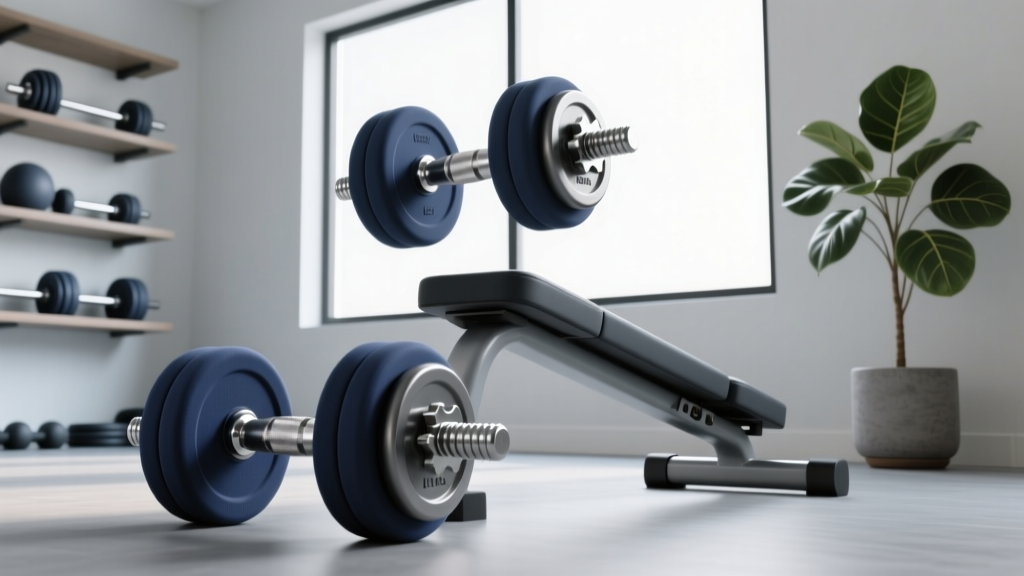
Neoprene Dumbbells for Home: Neutral Grip Incline Dumbbell Press
Discover the best neoprene coated dumbbells for home use. Learn how to choose the right pair to perfect your neutral grip incline dumbbell press.

The 2026 Home Gym Landscape: The Case for Neoprene
As home fitness setups continue to evolve in 2026, the demand for space-efficient, floor-friendly equipment has solidified neoprene-coated dumbbells as a staple in residential gyms. Unlike traditional cast-iron hex dumbbells that can scuff hardwood floors or urethane options that carry a premium price tag, neoprene (polychloroprene) offers a middle ground of tactile comfort, vibrant color-coding, and impact absorption. However, selecting the right neoprene dumbbell requires looking beyond aesthetics, especially when applying them to biomechanically demanding movements like the neutral grip incline dumbbell press.
This in-depth buying guide dissects the material properties, handle ergonomics, and weight increment structures of the top neoprene dumbbells on the market. We will specifically evaluate how these design choices impact your performance, grip endurance, and muscle isolation during incline pressing variations.
Biomechanics of the Neutral Grip Incline Dumbbell Press
Before evaluating the equipment, we must understand the movement. The neutral grip incline dumbbell press (palms facing each other) is a premier exercise for targeting the clavicular (upper) head of the pectoralis major while minimizing anterior deltoid dominance and reducing rotational stress on the shoulder capsule. According to kinesiology databases like ExRx, the neutral grip alters the line of pull, bringing the elbows closer to the torso and placing the shoulder in a safer, more mechanically advantageous position.
Guidelines from the National Strength and Conditioning Association (NSCA) emphasize that grip security and handle diameter are critical for maintaining force output in pressing movements. This is where many budget neoprene dumbbells reveal their limitations. The handles on standard neoprene-coated dumbbells are typically cast iron with a molded rubber sleeve, resulting in a handle diameter of 35mm to 40mm. By comparison, a standard Olympic barbell is 28mm. This 7mm to 12mm increase in thickness forces the forearm flexors to work significantly harder to maintain a crush grip, often leading to premature grip failure before the upper chest reaches true muscular exhaustion during high-rep incline sets.
Pro-Tip: Bench Angle OptimizationFor the neutral grip incline dumbbell press, set your adjustable bench to a 30-degree angle rather than the traditional 45 degrees. Research highlighted by the American Council on Exercise (ACE) indicates that a 30-degree incline maximizes upper pectoral activation while preventing the anterior deltoids from hijacking the movement. Neoprene dumbbells, with their high-friction coating, will rest securely against your thighs during the kick-up phase at this angle without slipping.
Material Science: Neoprene vs. Urethane for Incline Pressing
Why choose neoprene over urethane or bare steel for home use? The answer lies in the acoustic and tactile profile of the home gym. Neoprene is a synthetic rubber that excels at dampening sound and protecting flooring. However, it has a higher coefficient of friction than urethane. When performing the neutral grip incline dumbbell press, the dumbbells will occasionally brush against your shirt or the bench pad. Urethane glides smoothly, while neoprene can 'grab' or stick to fabric and vinyl, potentially disrupting the fluidity of your eccentric (lowering) phase.
Furthermore, neoprene is susceptible to degradation from UV exposure and the acidic pH of human sweat over time. If your home gym is in a sunlit garage or a humid basement, the neoprene coating may begin to peel or become tacky within 3 to 5 years. Urethane, while 40% to 60% more expensive (averaging $3.50 per pound in 2026 compared to neoprene's $1.60 per pound), is virtually impervious to these environmental factors.
Comparison Matrix: Top Neoprene Dumbbells for Home Use
Below is a detailed comparison of the most prominent neoprene dumbbell lines available for home gyms, evaluated specifically on their suitability for isolation and hypertrophy work like the incline press.
| Brand / Model | Avg Price/lb (2026) | Handle Diameter | Coating Durability | Incline Press Suitability |
|---|---|---|---|---|
| Yes4All Neoprene Coated | $1.45 - $1.65 | 35mm - 38mm | Moderate (Prone to seam tearing) | Good for light/moderate hypertrophy (12-15 reps) |
| CAP Barbell Neoprene | $1.70 - $1.90 | 38mm - 40mm | High (Thicker casing) | Fair (Thicker handle increases grip fatigue) |
| Amazon Basics Neoprene | $1.55 - $1.75 | 36mm | Moderate | Excellent (Slimmer handle preserves grip strength) |
| SPRI Deluxe Neoprene | $2.10 - $2.40 | 34mm | High (Premium seal) | Excellent (Best ergonomics, but maxes out at 20lbs) |
Sizing Framework: Navigating Weight Increments
One of the most significant drawbacks of neoprene dumbbells for home use is the weight increment structure. Unlike adjustable dumbbells (e.g., PowerBlock or Nuobell) that allow for 2.5 lb micro-loading, neoprene sets typically jump in 5 lb increments from 10 lbs to 50 lbs, and 10 lb increments thereafter. When executing the neutral grip incline dumbbell press, a 5 lb jump per hand represents a 10 lb total increase. If you are currently pressing 25 lb dumbbells for 10 reps, jumping to 30 lbs is a 20% load increase—a massive leap that can compromise form and shoulder stability.
- Beginners (0-6 months): Purchase pairs in 5 lb increments (e.g., 10, 15, 20, 25 lbs). The neutral grip incline press is highly technical, and micro-loading is essential for tendon adaptation.
- Intermediates (6-24 months): Focus your budget on the 25 lb to 45 lb range. Expect to use these weights for 8-12 rep hypertrophy ranges.
- Advanced (2+ years): Neoprene is generally not recommended for heavy 5-rep max strength work on the incline press. The thick handles and lack of aggressive knurling make heavy loads unsafe. Transition to bare steel or urethane hex dumbbells for loads exceeding 60 lbs per hand.
Edge Cases and Failure Modes: When Neoprene Fails
While neoprene is excellent for general fitness, it has specific failure modes that home gym owners must anticipate. The most common point of failure is the 'collar seam'—the junction where the cast-iron core meets the handle. During the kick-up phase of the incline press, the dumbbell rests on the thigh. If you aggressively bounce the dumbbell off your leg to initiate the press, the sheer force can cause the neoprene coating to split at the collar over time.
To extend the lifespan of your neoprene dumbbells, practice a controlled 'thigh-walk' technique to get the weights into position for the incline press, rather than relying on explosive, high-impact knee kicks that stress the coating seams.
Additionally, neoprene is highly sensitive to ozone and UV degradation. If your home gym is in a garage with a south-facing window, the dumbbells exposed to direct sunlight will experience 'chalking'—a breakdown of the polymer chains that leaves a white, powdery residue on your hands and severely degrades the grip texture necessary for the neutral grip incline press.
Frequently Asked Questions
Can I use chalk with neoprene dumbbells for the incline press?
It is not recommended. Neoprene is non-porous, meaning chalk will not absorb into the material. Instead, it creates a slippery paste when mixed with sweat, drastically reducing grip security during the neutral grip incline dumbbell press. If you struggle with grip, use a liquid chalk with a rosin base or consider wearing minimalist lifting straps for your heaviest working sets.
Do neoprene dumbbells smell?
Unlike cheap recycled rubber dumbbells that off-gas volatile organic compounds (VOCs) for months, high-quality neoprene is virtually odorless right out of the box. This makes it the superior choice for home gyms located in spare bedrooms, apartments, or poorly ventilated spaces.
What is the best bench material to pair with neoprene?
A high-density vinyl or diamond-tread upholstery bench pairs best with neoprene. Because neoprene has a high-friction surface, resting it on a suede or sticky leather bench pad can cause the dumbbells to catch when you are re-racking or adjusting your grip between sets of incline presses.
More gear to consider
All reviews
Bumper vs Iron Plates: Choosing an Alternative to Dumbbells That Lasts

Power Rack vs Squat Rack vs Stand & Dumbbell Workout Exercise Poster

Olympic vs Standard Plates: Troubleshooting Dumbbell Push Exercises

Dumbbell Shoulder Press for Mass: Rubber Hex vs Urethane Care
Cast Iron vs Competition Kettlebells: Best Dumbbell Workouts for Women
