Best Neoprene Dumbbells for a Home Dumbbell Exercise Plan
Discover the best neoprene dumbbells for your home dumbbell exercise plan. Compare top 2026 models, pricing per pound, and durability for daily workouts.

The Case for Neoprene in Home Fitness Setups
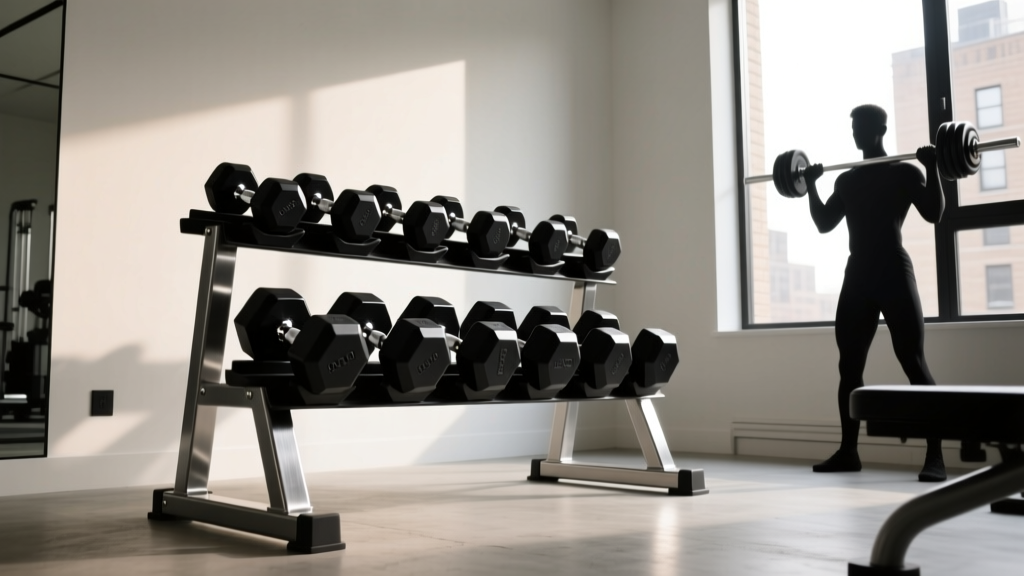
Designing a comprehensive dumbbell exercise plan at home requires equipment that balances durability, aesthetics, and floor safety. While adjustable dumbbells save space, fixed-weight neoprene-coated hex dumbbells have emerged as the gold standard for dedicated home gyms in 2026. The synthetic rubber shell protects hardwood floors from impact damage, dampens the acoustic shock of dropped weights, and provides a secure, non-slip grip during high-rep hypertrophy work.
According to the CDC's physical activity guidelines, adults should engage in muscle-strengthening activities of moderate or greater intensity involving all major muscle groups at least two days a week. To achieve this without the friction of dialing adjustable mechanisms between supersets, a curated set of fixed neoprene dumbbells is unmatched for workout flow and efficiency.
Material Science: Neoprene vs. Urethane vs. Bare Iron
Neoprene (Polychloroprene): Offers a medium-firm grip (typically 60-70 Shore A hardness), excellent color-coding, and high resistance to sweat and oils. Best for light-to-medium home use.
Urethane: Virtually indestructible, odorless, and highly resistant to UV degradation, but costs 2x to 3x more than neoprene. Reserved for commercial gyms.
Bare Cast Iron: The most budget-friendly and durable, but prone to rust, loud impacts, and floor damage if dropped.
2026 Neoprene Dumbbell Comparison Matrix
When sourcing equipment for your dumbbell exercise plan, cost per pound and grip ergonomics are the primary differentiators. Below is a comparison of the top three hex neoprene models dominating the home fitness market this year.
| Brand / Model | Core Material | Avg Price/lb (2026) | Handle Profile | Best Use Case |
|---|---|---|---|---|
| Amazon Basics Neoprene Hex | Solid Cast Iron | $1.65 - $1.90 | Contoured, Chrome | Budget-friendly full sets |
| Yes4All Neoprene Coated Hex | Solid Cast Iron | $1.80 - $2.10 | Straight, Knurled Chrome | Lifters preferring aggressive grip |
| CAP Barbell Neoprene Hex | Cast Iron / Steel blend | $2.00 - $2.40 | Ergonomic Tapered | High-rep isolation & rehab |
Structuring Your Dumbbell Exercise Plan with Fixed Weights
The primary challenge of using fixed neoprene dumbbells for a progressive dumbbell exercise plan is the requirement to purchase multiple weight increments. Unlike adjustable models, you cannot simply turn a dial to increase the load. To build a cost-effective yet comprehensive home armory, you must map your purchases to the biomechanical demands of your specific routine.
The 3-Tier Weight Increment Strategy
To execute a 12-week progressive overload cycle without buying an entire 5-to-50 lb rack, focus on a 3-tier system based on Mayo Clinic's strength training principles of targeting major muscle groups with varied resistance.
- Tier 1: Isolation & Stabilization (Light)
Used for lateral raises, tricep extensions, and rotator cuff work. Recommended Increments: 5 lbs, 10 lbs, 15 lbs. Neoprene's tactile grip shines here, as sweaty hands often compromise form during high-rep isolation sets. - Tier 2: Upper Body Compounds (Medium)
Used for dumbbell bench presses, bent-over rows, and overhead presses. Recommended Increments: 20 lbs, 25 lbs, 30 lbs, 35 lbs. This is where the bulk of your hypertrophy work will occur. - Tier 3: Lower Body & Hinges (Heavy)
Used for goblet squats, Romanian deadlifts (RDLs), and Bulgarian split squats. Recommended Increments: 40 lbs, 50 lbs, 60 lbs. Note that neoprene dumbbells over 50 lbs become physically bulky; the hex heads widen significantly, which can interfere with your stance during sumo-style goblet squats.
Expert Insight on Progressive Overload: When you max out a specific neoprene weight (e.g., you can easily complete 3 sets of 12 reps with 25 lb dumbbells), do not immediately buy the next 5 lb increment. Instead, manipulate the tempo. Slow the eccentric (lowering) phase to 3-4 seconds. This increases time-under-tension and stimulates muscle growth without requiring heavier, more expensive fixed dumbbells.
Real-World Failure Modes & Edge Cases
While neoprene is highly durable for home use, it is not invincible. Understanding its failure modes will help you protect your investment and maintain a safe training environment.
1. The Seam Split (Impact Damage)
Neoprene is dip-coated over the cast iron core. The thinnest point of this coating is typically along the sharp 90-degree edges of the hex shape. If you drop a 40 lb neoprene dumbbell from waist height onto a concrete garage floor, the kinetic energy will often split the neoprene seam, exposing the iron core to moisture and eventual rust. Solution: Always use 3/4-inch thick horse stall mats or dedicated rubber gym flooring when training with loads over 30 lbs.
2. UV Degradation and Color Fading
Polychloroprene breaks down under prolonged exposure to ultraviolet light. If your home gym is in a sunroom or near a south-facing window, the vibrant color-coding (e.g., the standard blue 10 lbs, red 15 lbs) will fade to a chalky pastel within 12 to 18 months. More importantly, the material will become brittle and prone to flaking.
3. The Sweat-Slip Factor
Unlike bare knurled steel, neoprene does not have a mechanical texture. When your hands sweat heavily during a high-intensity interval training (HIIT) dumbbell exercise plan, the smooth rubber can become surprisingly slick. Lifters with hyperhidrosis (excessive sweating) should use liquid chalk or lifting straps during heavy RDLs and rows to prevent the dumbbell from slipping out of their grip.
Spatial Footprint & Storage Solutions
Fixed neoprene dumbbells require dedicated storage to prevent tripping hazards and floor damage. A standard 25 lb hex neoprene dumbbell measures approximately 6.5 inches in width and 4.2 inches in height. A full 3-tier set (12 pairs) will occupy roughly 14 square feet of floor space if left on the ground.
Rack Compatibility Warning
Because neoprene hex dumbbells are wider and taller than bare iron hex dumbbells, they often do not fit on standard commercial 'A-frame' vertical racks designed for urethane or iron. When purchasing a storage rack, ensure the horizontal tier shelves are at least 8 inches deep and spaced 5.5 inches apart vertically to accommodate the thicker neoprene coating.
For most home gyms, a 3-tier horizontal dumbbell rack (such as the Yes4All Heavy Duty Steel Rack or the Titan Fitness 3-Tier Dumbbell Rack) is the most ergonomic choice. These racks keep the weights between knee and chest height, eliminating the need to bend over and strain the lower back when picking up heavy 50 lb pairs to initiate a goblet squat or farmer's carry.
Final Verdict for the Home Lifter
Investing in a curated set of neoprene-coated hex dumbbells is one of the most effective ways to future-proof your home gym. By strategically selecting weight increments that align with your specific dumbbell exercise plan, you can achieve commercial-grade progressive overload without the noise, floor damage, and maintenance associated with bare iron. Prioritize models with contoured chrome handles, protect them from UV light and concrete impacts, and your neoprene set will easily survive a decade of rigorous daily training.
More gear to consider
All reviews
Cast Iron vs Competition Kettlebells: Value & Rear Flyes Dumbbells

Rubber vs Urethane: Upper Body Workout for Women with Dumbbells

Top Adjustable Picks: Back Workouts for Women with Dumbbells

Barbell Guide: Weight, Knurling & Biceps Dumbbell Workout Fixes

American Barbell Dumbbells & Kettlebell Budget Guide